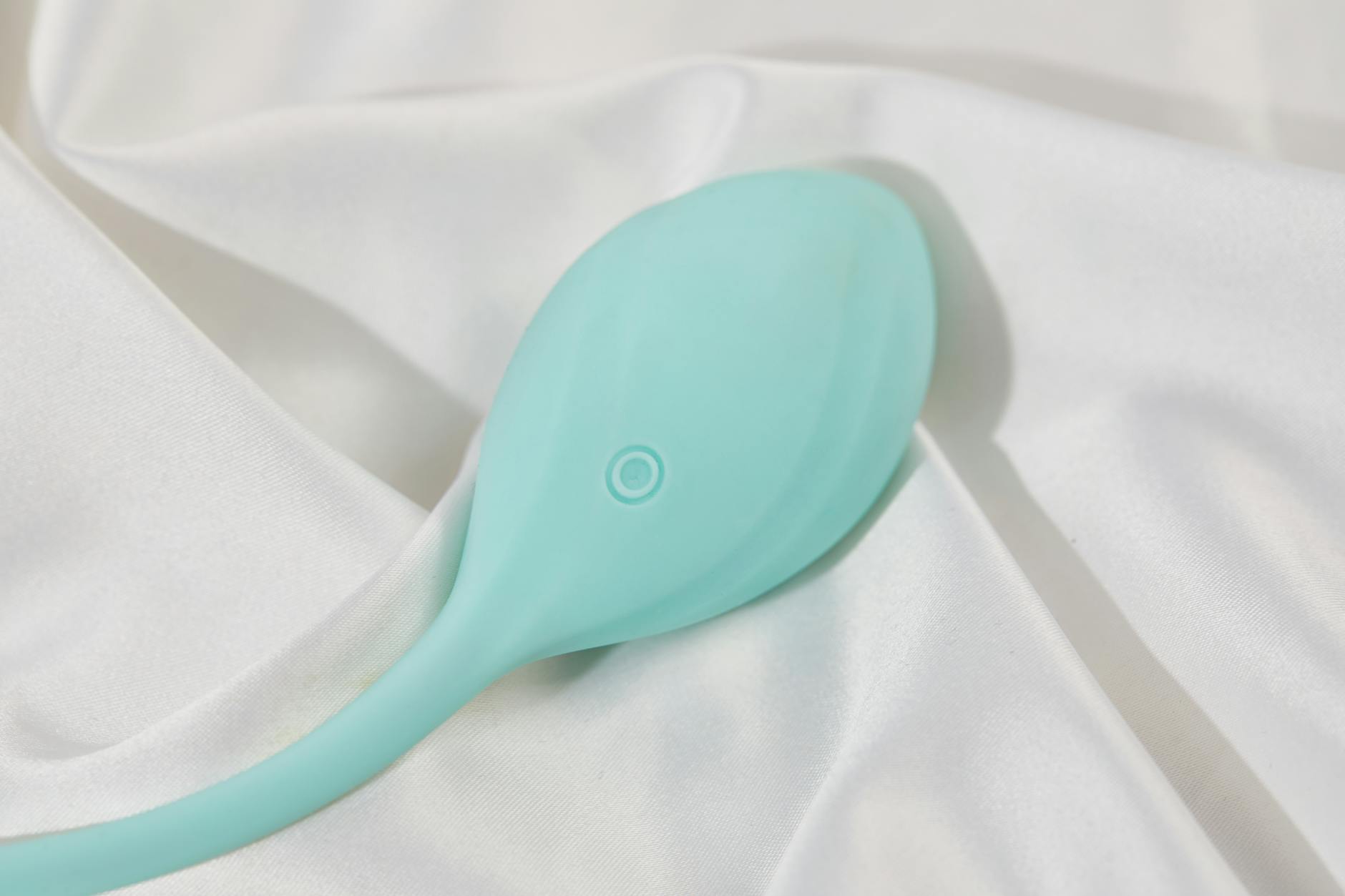
Best Lemon Vibrator Settings for Sensitive Clitoral Tissue
Let's be real. Not every body responds to the same intensity, and plenty of people with clitoral tissue that's tender, reactive, or just plain sensitive have spent years thinking something was wrong with them. Spoiler: nothing is wrong. You just need the right approach.
I've worked with hundreds of clients navigating pleasure with sensitive tissue. The pattern is always the same. They buy a clitoral vibrator, crank it to full, feel overstimulated within seconds, and then assume vibrators "aren't for them." What they actually need is permission to customize.
Here's what a lemon vibrator does well for sensitive tissue, why settings matter more than you'd think, and exactly how to find your sweet spot.
Why lemon vibrators work for sensitive clitoral tissue
Most lemon clitoral vibrators use suction or pulsing patterns rather than straight-up buzzing. That's the key difference. A traditional vibrator sends waves of movement directly into tissue. A lemon sucker uses gentle suction and release to stimulate the nerve cluster without requiring intense friction.
Think of it this way. Friction is directional and sharp. Suction is encompassing and wave-like. For tissue that's easily overstimulated, that distinction changes everything.
The clitoris has about 8,000 nerve endings concentrated in an area the size of a pea. If you're sensitive, those nerves are just more alert. You're not broken. You're just wired to register subtle sensation more quickly. A lemon vibrator's pulsing action lets you access deep pleasure without the sensory overload that comes from constant, high-intensity buzz.
Starting with the lowest setting
I tell almost every client the same thing: if you have sensitive tissue, your first session should be at pattern 1 or pattern 2, whichever your device offers. Not because you won't eventually want more intensity, but because you need to know what "enough" feels like for your body.
Many people with sensitive tissue actually have a much lower threshold for pleasure than they realize. They've been trained to believe pleasure requires discomfort, or that intensity equals satisfaction. Neither is true.
When you start low, a few things happen. Your tissue gets familiar with the sensation without shock. Your nervous system doesn't go into defense mode. And you actually notice what's happening, rather than chasing the next stronger stimulation.
Usually, clients tell me their second or third session feels better than the first. That's not because the toy changed. It's because their body learned what to expect.
How to layer intensity gradually
Once you've spent two or three sessions at the lowest setting, you can start experimenting. But not by jumping to maximum. Try this instead:
Session 1-3: Pattern 1 only. Fifteen to twenty minutes total.
Session 4-5: Pattern 1 for the first ten minutes, then switch to pattern 2 for the last five.
Session 6+: Pattern 2 for most of the session. If you want to explore pattern 3, save it for the very end when you're already warmed up.
The goal isn't to reach the highest setting. It's to find the intensity that gives you the most pleasure without tipping into oversensitivity. For some people, that's pattern 2. For others, it's pattern 4. Both are normal.
The angle and pressure game
Intensity isn't just about which button you push. It's also about how you position the device and how much pressure you apply.
Direct contact is more intense than indirect. If you're using a lemon clitoral vibrator, trying the sensation through a thin layer of fabric or holding it slightly away from your body first can make the same pattern feel gentler. Then, once you're aroused and ready, you can adjust.
Pressure matters too. Light contact, almost brushing, feels completely different from firm pressing. With sensitive tissue, light pressure often goes further than you'd expect. Your nervous system picks up subtle vibrations beautifully.
I had a client who swore she needed intensity level 5 to feel anything. When I suggested she try pattern 2 with very light, indirect contact, she found her most powerful orgasm in months. The intensity wasn't in the device. It was in the approach.
Lubrication and sensitivity
Dry tissue is more sensitive to irritation. It's also more sensitive to overstimulation. If you have reactive clitoral tissue, good lubrication isn't optional. It's foundational.
Water-based lubricant creates a barrier that lets the sensation flow without raw friction. Most people with sensitive tissue find that adding lube lets them use slightly higher settings comfortably because the friction is almost entirely gone.
If you're prone to irritation, reapply lube frequently. This isn't lazy. It's smart. Your tissue will thank you, and the sensation actually improves as the lube stays slick.
The role of arousal in tolerance
Here's something most guides skip: your clitoral tissue is more tolerant of intensity when you're properly aroused. Blood flow changes how tissue responds. When you're fully aroused, the same vibration that felt intense during a quick test feels absolutely right.
This is why starting slow and building arousal gradually matters so much. Don't jump straight to your device. Spend five or ten minutes touching yourself elsewhere, kissing a partner, or just getting into the mental space of pleasure. Then introduce the lemon vibrator.
You'll often find you can comfortably use a higher setting than you expected because your body is ready for it.
Pattern selection for sensitive tissue
Most lemon clitoral vibrators offer multiple patterns. Not every pattern feels the same intensity even at the same number.
Some patterns are steady waves. Others pulse in bursts. Some build and release. For sensitive tissue, the pattern matters as much as the number.
Wave patterns tend to feel more intense because they're continuous. Pulsing patterns feel like waves of stimulation with breaks in between, which many people with sensitive tissue prefer. Escalating patterns let your body adjust gradually as they build.
When you're exploring, pay attention to which pattern shapes feel right, not just which number. You might find you can handle pattern 4 if it's pulsing but pattern 2 feels like too much if it's a steady wave.
When sensitivity gets in the way
Sometimes oversensitivity isn't just about finding the right settings. It's a sign of underlying inflammation, irritation, or even a condition like vulvodynia that affects how nerves respond.
If you experience pain (not just intense sensation, but actual pain) with any vibrator, or if you're consistently unable to use even the gentlest settings, it's worth checking in with a gynecologist who's familiar with pelvic pain. There's usually a fixable reason, and you deserve support.
But if you're just highly sensitive to vibration without pain, that's a normal variation. You're not broken. You just need the right tool and the right approach.
Building confidence with your device
Sensitive tissue often comes with a story. Maybe someone was dismissive when you mentioned discomfort. Maybe you've spent years assuming you "couldn't" enjoy vibrators. Maybe you got overstimulated once and decided they weren't for you.
Giving yourself permission to explore slowly, with gentleness, is part of reclaiming pleasure. A lemon clitoral vibrator can be that tool, but only if you approach it without pressure.
I often recommend journaling after a few sessions. Not anything formal. Just a note about what felt good, what felt like too much, and what you'd like to try next. You'll start to see patterns in what works for your body. That information is gold.
Frequently asked questions
Can I use a lemon vibrator on sensitive tissue if I've never tried vibrators before?
Absolutely. In fact, lemon vibrators are often a great entry point because of their gentler, pulsing approach. Start at the lowest setting, give yourself permission to go slowly, and expect your first session to feel more like exploration than pleasure. By session three or four, your body will understand the sensation better and enjoyment usually increases significantly.
What if pattern 1 still feels like too much?
Try indirect contact first. Stimulate the clitoral area through clothing or fabric, or hold the device slightly away from your body. You can also use the lemon vibrator in a completely different way. Some people with highly reactive tissue find that running it along the inner thighs or outer labia first helps their body acclimate. The goal is pleasure, not performance. If the lowest setting is too much right now, that's information worth respecting.
Does lubrication make vibrators feel less intense?
In a way, yes. Good lubrication reduces friction, which means less sensory intensity from friction itself. But it usually makes the vibration sensation feel cleaner and more pleasurable because you're not contending with irritation. Most people find they actually enjoy higher settings with lube because the overall experience is smoother. It's a worthwhile trade.
How do I know if I'm being too gentle or too intense?
Too gentle: you're not feeling much pleasure after five minutes of direct contact. Too intense: you feel an urge to pull away, or numbness or oversensitivity appears within a few minutes. Right intensity: you feel waves of pleasure building, you want to stay with the sensation, and you don't need to adjust or reposition frequently. Trust that feedback.
Is sensitive clitoral tissue permanent?
Sensitivity can shift with hormones, health, stress, and age. What felt overwhelming at 25 might feel perfect at 35. What works after coffee might not work when you're dehydrated. Your sensitivity isn't fixed. It's contextual. Staying curious and adjusting your approach as your body changes is part of long-term pleasure.
Can a partner help me figure out the right settings?
Definitely. If you're in a relationship, exploring together can be really helpful. They can watch your body's response, help adjust pressure or angle, and offer feedback. The main thing is communication. Tell them what feels good, what's too much, and what you want to try next. A partner who's willing to help you find your pleasure threshold is a partner who's invested in your satisfaction.
Final thought
Sensitive tissue isn't a limitation. It's just specific information about how your nervous system is wired. Once you know that, you can stop fighting it and start working with it. A lemon vibrator, approached gently and thoughtfully, can become one of your best tools for discovering what pleasure actually feels like for your body.
If you have questions about technique or want to explore pleasure with the right approach, we're here. Reach out anytime.