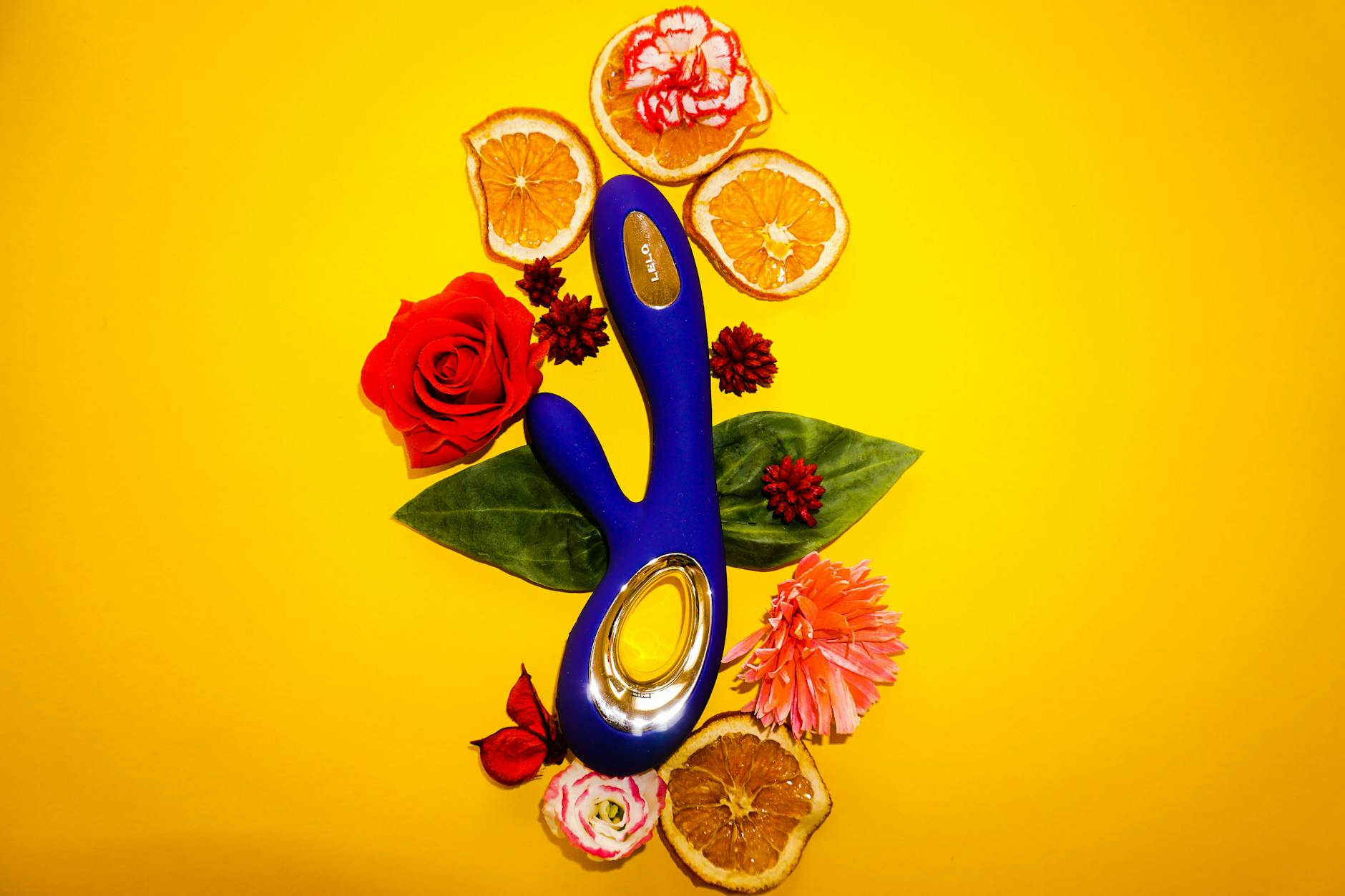
Here's what nobody tells you about pleasure after 40
Your clitoris doesn't retire. But it does change. Not worse. Different. The tissue thins slightly, blood flow shifts, and the specific patterns of stimulation that used to get you there in five minutes might take fifteen now. Some people panic at this point. Others realize they've just unlocked a completely different (and often better) kind of pleasure.
The problem is most vibrators don't account for those changes. They're designed around what worked at 25. Lemon clitoral vibrators, specifically the suction-based designs, actually work with what your body is doing now, not against it.
Why direct vibration feels different
Let me back up. Your clitoral tissue has about 8,000 nerve endings packed into a space the size of a pea. That's an insane amount of sensation potential. But in your 40s and beyond, estrogen levels naturally drop. This means the skin around your clitoris gets slightly thinner and more sensitive to intense, direct pressure.
Traditional vibrators that buzz directly on the clitoris can actually feel too much. Not in a good way. Sometimes it's numbness. Sometimes it's overstimulation that kills arousal rather than building it. Sometimes it's a strange kind of irritation that makes you want to stop.
This doesn't mean your clitoris is broken. It means direct stimulation alone isn't the whole answer anymore.
How suction-based vibrators work differently
Lemon clitoral vibrators use a different mechanism. Instead of vibrating directly on tissue, they create a gentle pulse of suction and release. This stimulates the entire clitoral structure, not just the visible tip. The sensation is more diffuse, which sounds like it should be less intense. In practice, most people find it's actually more intense and more reliable.
Why? Because you're not fighting diminished sensation with harder vibration. You're working with the broader clitoral system, which includes the internal bulbs and the whole erectile network under the skin. As blood flow becomes more variable after 40, this approach actually taps into sensation more effectively.
The other advantage is gentleness without sacrifice. You get strong, consistent stimulation without the numbness risk that comes from sustained direct friction.
The timing question
After 40, arousal builds slower. This is true for most bodies, though it varies wildly person to person. Where you might have gotten physically ready in five minutes at 25, you might need fifteen or twenty now.
That's not a problem. That's often a gift. Longer arousal means more time to experiment with pressure, positioning, and rhythm. Many people find their most reliable orgasms happen in their 40s and 50s precisely because they've learned to work with the slower buildup instead of fighting it.
Lemon vibrators work well in this context because you can start at a lower intensity and gradually increase. Most have multiple settings. This lets you warm up slowly without the frustration of either no sensation or too much sensation.
Positioning matters more now
In your 20s and 30s, you could often get away with just applying a vibrator and waiting. After 40, positioning becomes real. The angle of approach, whether you're applying pressure straight on or from the side, whether your pelvic floor is relaxed or tensed. All of this becomes more noticeable because sensation is less forgiving of sloppy technique.
This is why suction-based designs help. They're more forgiving of positioning than traditional vibrators because they work with a broader surface area. You don't have to be as precise. The sensation still reaches the nerve endings even if your angle is slightly off.
The role of lubrication
Estrogen doesn't just affect how your clitoris responds to stimulation. It also affects natural lubrication. After 40, your body might produce less fluid, especially as you move toward or through menopause. This is completely normal.
Water-based lubricant becomes your friend here. It's not because something's wrong. It's because thinner tissue benefits from it. A little extra moisture changes how a vibrator feels. Some people find they can't orgasm without it after 40. Others find it just makes everything more comfortable.
Your lemon clitoral vibrator will work better with lube. It glides easier, the sensation transmits better, and there's no friction risk on already sensitive tissue.
What partners need to know
If you're using a lemon vibrator with a partner, communication matters more now than it did before. Not because you've become more fragile. Because sensation is more specific. What felt good last week might feel different this week depending on where you are in your cycle, how stressed you are, and about a hundred other factors.
The conversation isn't "does this still work?" It's "what does this feel like right now?" and "what would feel better?". That shift from fixed to adaptive is one of the best things that happens to couples in their 40s who are willing to have it.
When to experiment with patterns
Most lemon sexual toys have multiple vibration patterns beyond just on-off. This becomes increasingly useful after 40. Some patterns might leave you numb. Others might be exactly what you need. You might find that a pulsing pattern works better than constant vibration. Or that a pattern that did nothing for you at 30 is now your favourite.
This is permission to treat your pleasure like an experiment rather than a problem to solve. Your body has changed. That's information, not failure.
The mental piece is real
Here's where I switch into my therapist hat. A lot of what changes after 40 is not tissue. It's your relationship to your body and your pleasure. You're (hopefully) less worried about how you look. You're (hopefully) less focused on performing for a partner and more focused on what actually feels good. You might be dealing with grief, stress, or identity shifts that affect arousal.
All of that is completely normal. And it's worth acknowledging separately from the physical changes. A lemon clitoral vibrator can't fix a relationship problem or process grief. But it can help you stay connected to your body during a transition, which matters.
The myth you can stop believing
There's a persistent idea that pleasure gets worse after 40. That the best years are behind you. Honestly, I see the opposite in my practice almost universally. People in their 40s, 50s, and beyond report better orgasms, more consistent pleasure, and way less anxiety about sex than they did at 25.
The type of stimulation changes. The pace changes. But the capacity for pleasure doesn't decline. It often deepens.
FAQs
Are lemon clitoral vibrators safe for sensitive tissue after 40?
Yes. Suction-based designs like the Lem are actually gentler on sensitive tissue than traditional vibrators because they don't rely on direct friction. The key is starting at a lower intensity and using water-based lubricant. If you have a history of vaginal tissue thinning or pain, check with your doctor, but for most people, this type of vibrator is safer than high-frequency buzzing against delicate skin.
How do I know if my clitoris is less sensitive or if I'm just using the wrong vibrator?
Good question. If you've been using the same vibrator for years and suddenly nothing works, it might not be your clitoris. It might be that the vibrator is worn out, or your body has changed and needs a different type of stimulation. Try a lemon vibrator with suction technology. If that opens things up, you have your answer. If not, consider whether stress, medication, or relationship dynamics might be affecting arousal before assuming it's a tissue issue.
Can I use a lemon clitoral vibrator with a partner after 40?
Absolutely. In fact, many couples find that incorporating tools helps with the communication piece. If you and your partner have drifted, adding a vibrator can feel like a reset button. It's not about the vibrator doing the work your partner should do. It's about reintroducing playfulness and touch and novelty into the bedroom. The vibrator is a conversation starter, not a replacement.
What if a lemon vibrator doesn't give me sensation?
First, give it time. Three or four sessions minimum before you judge. Second, try different patterns. Third, use lubrication. If you're still not getting anything, check in with yourself about arousal. Sometimes the issue is that you're not actually turned on, and no vibrator can fix that. If arousal is fine and sensation still isn't there, mention it to your doctor. Certain medications and some medical conditions can affect clitoral sensation, and that's worth investigating.
Is it normal for my pleasure to feel different every month after 40?
Completely. Your hormones are still cycling, even after 40. So sensation, desire, and what feels good can shift throughout the month. Some people become more sensitive around ovulation. Others feel more responsive right before their period. This is your body having more information, not your body failing.
Should I replace my old vibrator with a lemon clitoral vibrator?
Not necessarily. You might keep both. Some days you'll want the sensation you get from your old vibrator. Other days, the gentler suction approach of a lemon design will be exactly right. Most people find that having options makes pleasure more consistent, not less. A lemon sexual toy is an addition to your toolkit, not a requirement.
The simple version
Your body after 40 isn't broken. It's just asking for something different. Lemon clitoral vibrators, with their suction-based design, actually match what your body needs at this stage. Gentler than direct vibration, more consistent than guessing, and honestly more effective for most people than anything you used when you were younger.
Your pleasure matters. It gets better with intention and the right tools. That's not philosophy. That's what I see in practice over and over.
Ready to explore what works for your body now? Get in touch if you have questions about which lemon vibrator might be right for you.