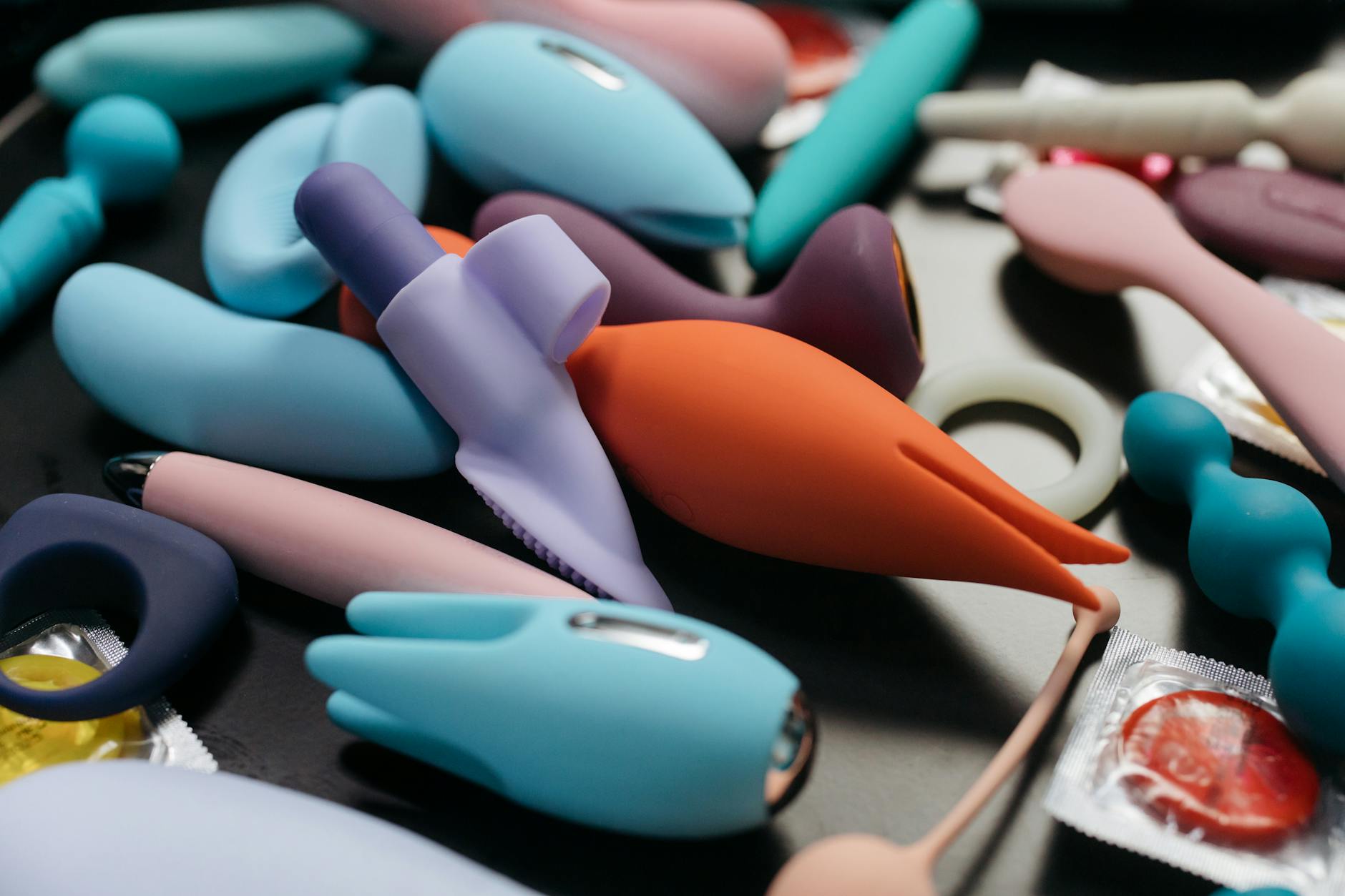
Let's talk about the elephant in the bed
Mismatched desire is one of the most common reasons couples come into my office, and it's also one of the most shame-laden. One partner feels rejected. The other feels pressured. Both feel unheard. And somewhere in there, the actual intimacy that brought you together gets buried under resentment.
Here's what I've learned: the problem isn't usually the mismatch itself. It's that couples try to solve a desire problem with the same old approach to sex. More of what hasn't been working doesn't fix anything.
Lemon vibrators, specifically air-suction clitoral vibrators, can actually change the dynamic. Not because they're magic. But because they shift sex from a binary choice (yes or no, do it or don't) into something with more texture, flexibility, and room for both partners.
Why desire mismatch happens (and it's not what you think)
Most people assume one partner just has a higher libido. That's sometimes true. But in long-term relationships, what looks like desire mismatch is often something else entirely.
It's resentment disguised as low libido. It's exhaustion that hasn't been acknowledged. It's a partner feeling unseen outside the bedroom, which kills arousal inside it. It's one person performing sexuality for the other instead of experiencing it. It's the higher-desire partner pushing so hard that the other shuts down entirely.
I've worked with couples where the "lower-desire" partner's arousal completely changed once they felt safe asking for what they actually wanted. Sometimes that meant less frequency but more intensity. Sometimes it meant being touched differently. Sometimes it meant starting with lemon vibrators instead of partnered sex, because there was zero pressure to perform.
The nervous system doesn't care what the real reason is. If you're approaching sex with dread, your body knows it before your brain does.
How lemon vibrators change the conversation
Air-suction vibrators like those from Shop Lem Toy work in a fundamentally different way than traditional vibration. They create a gentle seal and pulse around the clitoris instead of buzzing directly against it. This matters for mismatched-desire couples because it lowers the threshold for pleasure.
When arousal is hard to find, direct vibration can feel overwhelming or numb. Suction feels more like foreplay. It builds slower. It's less intense on sensitive tissue. And critically, it doesn't require the same level of mental buy-in that partnered sex does.
For the partner with lower desire, lemon vibrators can mean exploring pleasure on their own terms, at their own pace, without performing for anyone else. No pressure to finish, no timing anxiety, no watching a partner's face for signs of satisfaction. Just sensation.
For the higher-desire partner, it means their partner is actually engaging with pleasure again. That shift matters. You're not pushing someone into something they don't want. You're both exploring what feels good. The intimacy changes texture.
The practical framework: desire mismatch doesn't have to mean no sex
Here's how I talk to couples about this:
Frequency is a false binary. You don't have to choose between "we have sex how often they want" or "we have sex how often the higher-desire partner can tolerate rejection." There's a third option: diversifying what counts as intimacy.
One partner might use a lemon vibrator alone while the other is present but not doing anything sexual. Sounds small. It's not. You're in the room together. You're both relaxed. There's no performance pressure. That's actually more intimate than obligatory sex.
Or one partner uses it with their partner present and helping. Or they use it solo and then cuddle after. Or they use it in the morning while the other has coffee nearby. The point is that sexual pleasure becomes something that happens more often, but in ways that don't require both partners to be at the same arousal level at the same time.
When the higher-desire partner needs to step back
This is the harder conversation, and I'm going to be direct: if you're the partner who wants sex more, your job right now is to make your partner feel safe. Not to get what you want.
That doesn't mean you never get what you want. It means the path to getting what you want runs through your partner feeling secure that they're not going to be pushed, guilted, or resented. That's backwards from what feels true when you're frustrated, but it's how nervous systems actually work.
Lemon vibrators can help here because they give the lower-desire partner a way to explore pleasure that isn't about you. They're not rejecting you. They're not refusing. They're engaging with their own body in a way that's manageable. And if you can sit with that without making it about your needs, something softens in the dynamic.
How to introduce this without it feeling like a workaround
Don't lead with "the problem is you don't want sex enough." Lead with curiosity. "I've noticed that when we try to have sex, it feels like pressure on both sides. What if we tried something completely different?"
Then be specific about what you're suggesting. "I'm thinking we could explore solo pleasure again, with maybe a tool that feels less intense than what we've been trying." If you're recommending a lemon vibrator, you could say something like, "I read that air-suction vibrators feel gentler and more like foreplay than traditional vibrators. Would you want to try that, solo first, and see if it changes how you feel?"
The goal is to position this as an experiment, not a fix. You're not trying to solve the mismatch immediately. You're trying to make sex feel less like a source of conflict.
The conversation outside the bedroom matters more
Here's what most couples miss: you can't fix desire mismatch with toys alone. You can only make the sexual part less fraught while you fix what's actually broken.
What's actually broken is usually communication, or one partner feeling unseen in daily life, or resentment that's been building for years. Lemon vibrators help buy you time and space to work on that. They're not the solution. They're the thing that makes the space safe enough for the actual solution to happen.
Start asking questions outside the bedroom. "What would make you feel wanted by me?" Not "do you want sex," but "what does feeling desired look like to you?" "Is there a time of day when you feel more open to intimacy?" "What am I doing that makes you feel pressured, and what would feel better?"
Then listen without defending. Your partner might say something that stings. Good. That means they're finally telling you the truth.
When desire mismatch is actually a symptom of something else
Sometimes low desire isn't about the relationship at all. It's depression, medication side effects, hormonal changes, health issues, unresolved trauma, or just being in a life phase where everything is demanded of you and there's nothing left for pleasure.
If that's happening, a lemon vibrator might still help (particularly if it's about sensation numbing or arousal taking longer to build). But it won't solve the underlying problem.
If your partner is on medication that's killed their libido, talk to their doctor. If they're depressed, therapy should come before toys. If they're exhausted, the issue is workload and household management, not sexual technique.
Lemon vibrators work best when the desire mismatch is actually about the dynamic between you, not a symptom of something systemic that needs different help.
What changes when you stop making it a problem
Here's what happens in the couples I work with who get through this: eventually, the pressure lifts. When the higher-desire partner stops treating sex like a need that has to be met, the lower-desire partner often wants it more. When the lower-desire partner doesn't feel like they're failing, they actually engage.
Sometimes frequency doesn't change much. But the quality does. Sex that happens because you both actually want to be close feels incomparably better than sex where one person is performing and the other is counting down.
Lemon vibrators and other adult toys can be part of that shift. They make solo pleasure accessible again. They make partnered pleasure less about performance and more about sensation. They buy you time while you rebuild the actual intimacy.
But the real work is the conversation. It's the willingness to say "this isn't working for either of us" and actually mean it. It's being curious instead of defensive. It's understanding that your partner's low desire isn't a rejection of you, and your higher desire isn't a flaw you need to suppress.
Desire mismatch is one of the most solvable problems in relationships. It just requires you to stop trying to solve it the same way you tried before.
FAQ: Mismatched desire and reconnecting through pleasure
How do I know if lemon vibrators will actually help my relationship?
They'll help if the core issue is that one partner feels pressured and the other feels rejected, and you're both willing to try something different. They won't help if the real problem is unresolved resentment, poor communication, or infidelity. Toys can create space for healing, but they can't do the healing. If your relationship is in crisis, talk to a therapist first.
Should I use a lemon vibrator together or separately?
Start separately. That gives the lower-desire partner space to explore without feeling like they're performing. Once they're comfortable with sensation and arousal again, partnered use can happen naturally. If it doesn't, that's information too. Respect that.
What if my partner thinks suggesting a vibrator means I'm not attracted to them?
Talk about it directly. Say something like: "I'm not suggesting this because you're not enough for me. I'm suggesting it because the pressure we're both feeling isn't working, and I want us both to feel good again." Make it about reconnection, not about fixing them.
Can lemon vibrators help if the desire mismatch is caused by medication?
They can help with sensation and arousal, particularly if the medication is numbing sensation rather than killing desire entirely. But the real solution is talking to the prescribing doctor about alternatives or adjustments. A lemon vibrator can help in the meantime, not instead.
How long does it take to see a change in desire mismatch?
Depends on what caused it. If it's communication and resentment, you might see shifts in weeks. If it's hormonal or medical, it might take months. If it's something deeper in your relationship, it could take longer. Trust the process and don't expect the toy to fix something that needs relational repair.
Is it normal to feel awkward introducing this conversation?
Completely normal. You're breaking a pattern and admitting that what you've been doing isn't working. That takes vulnerability. Start with something like, "I want to talk about something I've been researching, and I'd rather do it outside the bedroom when we're both calm." Set the tone as collaborative, not confrontational.