
The silence after a fight is its own kind of distance
Let's be real. After conflict, the last thing either partner wants is sex. The thought of it feels performative, unsafe, maybe even insulting. You've just argued about something that mattered. The physical distance feels earned.
But here's what I see in my practice over and over: couples who wait for emotional resolution to come back to physical intimacy often wait forever. The body reconnects before the conversation fully resolves. That's not settling. That's how humans work.
Why physical reconnection actually heals faster than you'd expect
When conflict happens, your nervous system goes into protection mode. You're hypervigilant, scanning for threat. Your partner becomes slightly unfamiliar. Oxytocin (the bonding chemical) drops. You literally feel less safe with someone you've been close to for years.
Non-verbal physical contact rewires that faster than talking does. I'm not saying sex. I'm saying touch, sensation, and yes, sometimes pleasure.
A lemon clitoral vibrator changes the dynamic here because it's not about performance or obligation to a partner. It's about your own experience. When you use a tool like this solo or with a partner present, you're doing something radically different from "having sex to fix things."
The permission you actually need
After conflict, most people feel like they shouldn't want pleasure. Like it's disrespectful to the fight that just happened. That your own arousal is somehow letting things slide.
It's not. Your body wanting to feel good again is a sign of resilience, not avoidance.
Here's what shifts when you're using a lemon vibrator during this phase: you're reclaiming your own pleasure as separate from the relationship conflict. You're saying "I'm still here, I'm still capable of feeling good, and I'm safe enough to let my guard down." That's powerful information for your nervous system.
And if your partner is in the room, watching you prioritize your own sensation without pressure, without needing them to "do" anything? That's often the first moment they see you as separate and whole again. It's disarming.
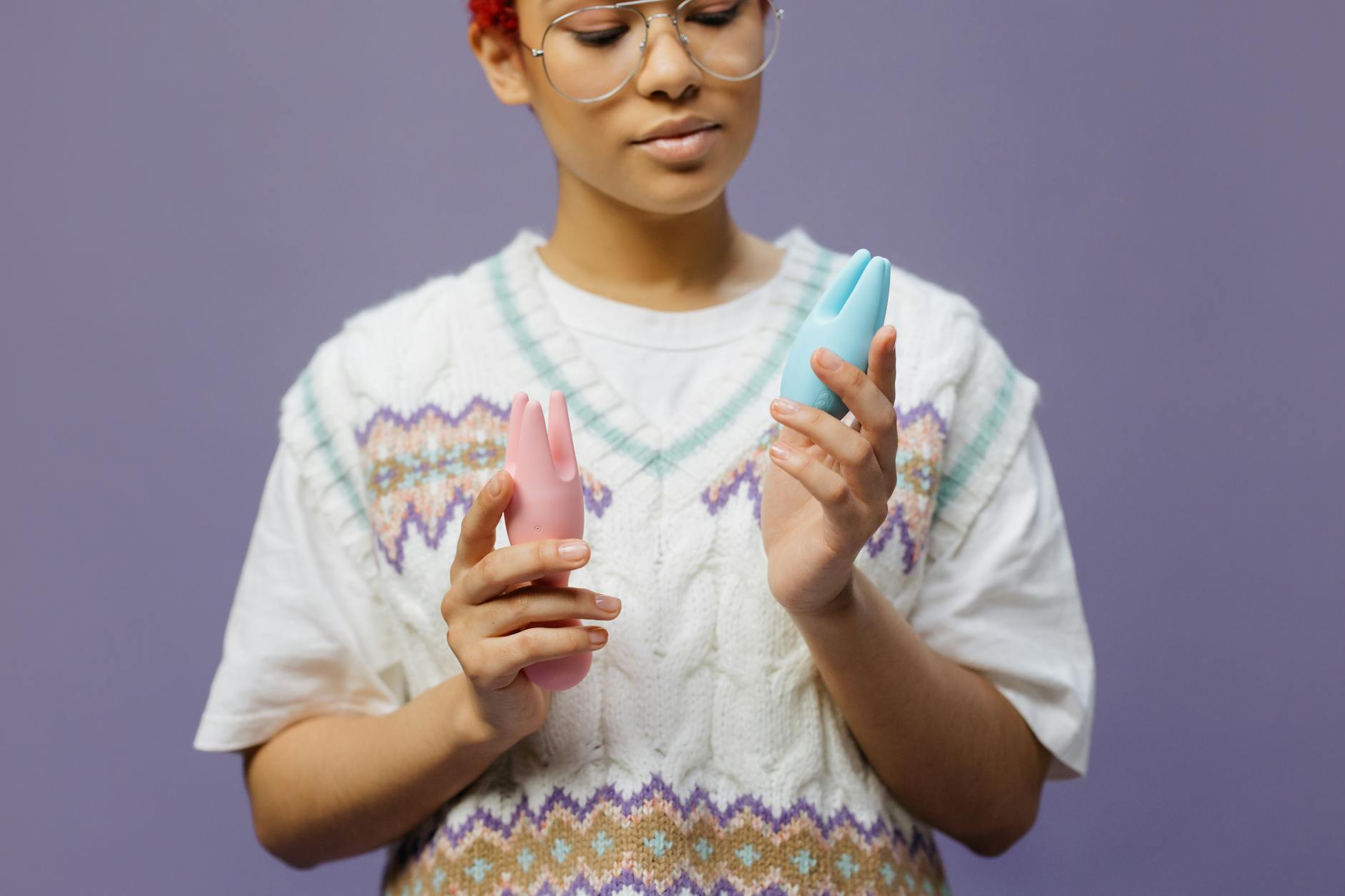
Photo by cottonbro studio on Pexels
Why lemon vibrators work specifically for this phase
Lemon clitoral vibrators, particularly air-suction designs, do something unique. They don't require rhythm or engagement with a partner. You're not coordinating. There's no pressure to "finish" or to perform arousal you don't feel.
The suction mechanism also creates a different sensation profile than traditional vibration. It stimulates without the intensity that can feel aggressive or overwhelming when you're already emotionally raw. It's gentler entry back into physical sensation.
Many of my clients who used a lemon vibrator during relationship repair said it felt less intimate than sex (which meant it felt safer) but more intimate than watching TV together (which meant it moved the needle). That's the sweet spot after conflict.
How to actually introduce this to your partner
Don't ambush them. Say something like: "I've been thinking about how to reconnect. I want to use the lemon vibrator while you're here. Not for you, just for me. If you want to be present, great. If you want space, that's fine too."
The clarity matters. You're not asking them to perform or participate. You're inviting them into your own experience.
If your partner feels defensive or like this is a rejection, that's worth naming separately. Maybe it is about them. Maybe you do need space. Both are legitimate. But untangling those conversations happens better when you're not also trying to have sex.
The physical conversation that happens without words
When you're using a lemon sexual toy in the presence of a partner after conflict, something shifts that talking doesn't always access. Your partner sees you drop your guard. They see you trust your own body to feel good again. They're not the source of your pleasure, but they're witnessing it.
If they join in (touching you elsewhere, or just being close), you're moving toward intimacy without the pressure of having sex "right." You're both just present.
If they step back, that's information too. Maybe they're not ready yet. Maybe they're processing their own feelings about the conflict. That's worth honoring.
The goal isn't to use a lemon clitoral vibrator and suddenly everything is fixed. It's to use it as a bridge. A way to say "I'm still here, still capable of pleasure, still choosing this relationship."
When to wait longer
If the conflict involved betrayal, contempt, or unresolved hurt, trying to reconnect physically before you've actually addressed the issue is Band-Aid territory. A lemon vibrator won't fix that.
But most conflicts aren't about the core relationship. They're about misalignment, stress, or one person feeling unseen. After those fights, physical reconnection before full emotional resolution is actually how resilient couples move forward.
The body has its own wisdom. If you're using a lemon vibrator solo or with your partner, and it feels good, your nervous system is telling you something. You're safe enough to let go a little. You trust yourself. That's the foundation everything else is built on.
After conflict, reconnection doesn't require words. It requires permission to feel good again. That permission often comes from your own body first.
When to bring in professional support
If conflict keeps spiraling the same way, or if physical reconnection feels impossible every time, couples therapy actually works. I'm biased, but research backs it up.
A good therapist (especially one trained in the Gottman Method) helps you identify the actual fight underneath the fight. You stop arguing about dishes and you address why one partner feels unseen.
The lemon vibrator and physical reconnection are tools for couples who have foundational safety but need to rebuild it after a rupture. If the safety was never there, that's different work.
FAQ
Can using a vibrator alone after a fight make my partner feel rejected?
Possibly, but only if you're doing it as punishment or avoidance. If you frame it as "I need to reconnect with my own pleasure before I can be present with you again," that's different. Most partners actually find it attractive when someone is comfortable with their own body.
Should we use a lemon vibrator together right after the conflict happens?
Not immediately. Give the nervous system a few hours to settle. You need to be able to think straight and communicate, even if you're not having a full emotional resolution yet. Usually 4-6 hours minimum, sometimes overnight.
What if my partner wants to help but I feel too vulnerable?
Say that. "I need this to be just me right now. Can you just sit with me?" or "I need space for a bit, then I'd like you close." Asking for what you need is the intimacy practice here, not the vibrator.
Is using a lemon clitoral vibrator during conflict recovery "cheating" on emotional intimacy work?
No. Physical and emotional intimacy are different systems. They inform each other, but they're not the same. You can use lemon sexual toys to help your nervous system reset while also doing the harder work of talking and repair.
How often should we be using lemon vibrators during the reconnection phase?
Whenever it feels right. There's no schedule. Sometimes once helps. Sometimes it takes a few times over a few days for the nervous system to really settle and feel safe again with your partner.
What if the vibrator doesn't help and we still feel disconnected?
Then the conflict is pointing at something bigger. A vibrator is a tool for reconnection when the foundation is sound. If the foundation itself is cracked, you need different support. A couple's therapist, a sex therapist, or both.
The point isn't the toy. It's what it represents.
A lemon vibrator is a physical tool that says: I'm safe enough to feel good. I'm resilient. I'm choosing my own pleasure and my own body, which means I'm also choosing this relationship.
That's the conversation that matters. The toy just makes it easier to have without words.
If you're trying to rebuild after conflict and you're not sure what your next move is, that's what reaching out for professional support is for. There's no timeline for this. There's just what feels true for you and your partner right now.