
Let's start with the honest part
Illness and recovery rewire your relationship with pleasure. Not permanently. But temporarily, and in ways that feel unfamiliar and sometimes alarming. Whether you're healing from surgery, managing medication side effects, or working through the aftermath of a serious infection, the gap between who you were sexually before and who you are now can feel like a chasm.
The good news: that gap is crossable. And the right tools, including lemon vibrators and clitoral vibrators designed for gentler stimulation, make the journey faster and less lonely.
What actually happens to pleasure during recovery
Your body is busy healing. Energy gets diverted from non-essential systems, which from a biological perspective includes sexual response. Your brain is less available for arousal. Pain medication can numb sensation. Fatigue erodes both desire and the mental space to feel desire. Hormonal shifts from illness or treatment change the whole landscape.
None of this is permanent. But it's also not nothing. Many people try to push through and end up frustrated, which adds shame on top of everything else.
Here's what I recommend instead: think of this phase as a recalibration, not a breakdown.
Why standard vibrators often don't work during recovery
Traditional vibrators demand things your body might not have right now. They require direct clitoral contact that can feel too intense. They assume you have baseline energy and sensation available. They often take a long time to build the kind of stimulation that used to work for you.
A lemon vibrator, specifically the suction-based design, operates differently. Instead of direct vibration, it creates a gentle pulsing sensation that mimics oral stimulation. This matters during recovery because it works with your nervous system rather than demanding your body perform.
Lemon sexual toys and lemon adult toys aren't just trendy names. The suction mechanism means less requires more. You get more sensation with less direct pressure.
Starting small: the lem vibrator approach
If you're rebuilding after a health setback, here's the framework I walk my clients through:
Week 1-2: No expectations. Use your lemon vibrator on the lowest setting. Not during partnered sex. Not with a specific goal. Just exploration. Five minutes, then stop. Notice what feels good without judgment. Your job is sensation mapping, not orgasm.
Week 3-4: Build duration. Extend to 10-15 minutes. You're teaching your nervous system that arousal can coexist with recovery. A lem vibrator's gradual intensity curve actually helps here. You don't need to jump to intensity level 5 right away.
Week 5-6: Introduce intention. Now you can think about pleasure as a goal. Your body has remembered what arousal feels like without pressure. Add lubrication if you've been experiencing dryness from medication. A water-based lube works beautifully with silicone clitoral vibrators.
This timeline isn't universal. Some people need four weeks. Others need three months. The point is that rebuilding is gradual, and that's not a failure. It's biology.
The psychology of pleasure after setback
This is where most recovery plans fail. Your brain has been scared. If the setback was serious, your nervous system went into fight-or-flight. Pleasure requires parasympathetic activation. You can't think your way into that shift, but you can create conditions where it happens.
A lemon clitoral vibrator helps because the sensation is so gentle it doesn't trigger defensive bracing. You're not forcing yourself through anything. You're not white-knuckling toward an orgasm. You're just experimenting.
Partners often want to "help" during this phase. Be clear about what that means. Solo exploration with your lemon vibrator is not rejection. It's the essential step that lets you rebuild trust in your own body. Once you know pleasure is possible again, partnered sex becomes less fraught.
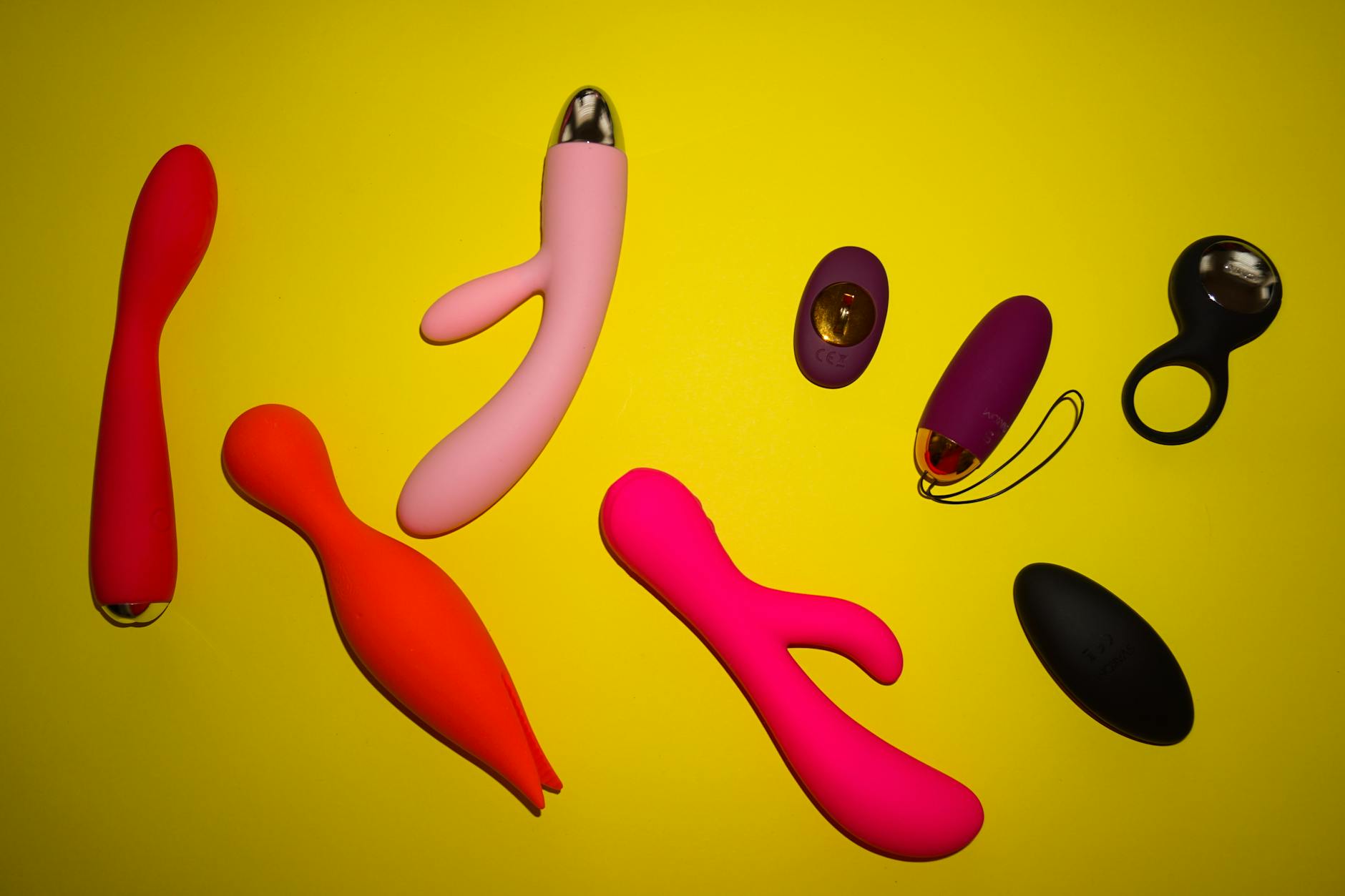
Photo by FounderTips on Pexels
What to do if numbness persists
Some medications and treatments cause persistent numbing or reduced sensation. If you're dealing with this, gentleness becomes even more important. Many people respond well to clitoral vibrators with a sealed suction cup design because the stimulation is diffuse rather than pinpoint.
Start with pattern 1 or 2. Give yourself permission to spend six months at low intensity. This isn't forever. Nerves regenerate. Sensation often returns. But while you're waiting, a lem vibrator at minimal intensity keeps the pathway active without demanding sensation you don't have.
If numbness is a side effect of medication, talk to your doctor about alternatives. You might have options you don't know about.
When to bring your partner back in
Timing matters here. Too early and you end up performing recovery instead of living it. Too late and you both start to assume pleasure won't come back.
I usually suggest: once you've had three solo sessions where arousal felt present and genuine, you're ready. Not ready for penetrative sex necessarily. Ready for physical affection that includes your lemon vibrator. Your partner can hold you while you use it. You can take turns. The focus stays on sensation, not performance.
This phase is shorter than people expect. Once the nervous system knows pleasure is safe again, reintegration happens quickly.
Medication side effects and sexual response
Some medications blunt desire as a class effect. Others affect lubrication or sensation. If your health setback required long-term medication, this is a conversation worth having with your doctor. Sometimes switching timing helps. Sometimes there are alternatives. Sometimes you need to work around it.
A lemon vibrator is actually a practical workaround for some of these effects because you can achieve orgasm with less baseline arousal. The sensation is more efficient.
Common concerns during recovery
"Will it ever feel the way it did before?" Different, probably. Better, often. Your nervous system has been through something. That changes you. But the capacity for pleasure absolutely comes back.
"Is it bad to masturbate while healing?" If your doctor cleared you for any sexual activity, masturbation is fine. It's actually therapeutic because it's on your terms, at your pace, with no pressure to perform.
"My partner thinks I should be back to normal by now." Your partner is wrong. Recovery timelines are individual. You might need three months. That doesn't mean something is broken. It means your system is being smart about resource allocation.
The slow climb back
Rebuilding sexual confidence after illness or injury is not a straight line. You might have a good session, then feel numb for two weeks, then suddenly feel aroused again. That's normal. That's your nervous system learning it's safe.
A lemon vibrator helps because it meets you where you are. Low intensity when you need it. Adjustable patterns when sensation returns. Consistent, predictable stimulation that doesn't demand anything your body isn't ready to give.
Your pleasure matters. Not as a return to normal. As a sign that you're healing.
Frequently asked questions
How long does it take to rebuild sexual sensation after surgery?
Most people report meaningful improvement within two to six months, depending on the type of surgery and individual healing. Nerve healing is slower than tissue healing. If you had a procedure that affected pelvic nerves directly, give yourself at least three months before expecting full sensation. Start with a lemon vibrator on low settings and be patient with the timeline.
Can I use a clitoral vibrator while on antidepressants that affect sexual function?
Yes. In fact, lemon vibrators and other clitoral vibrators are often more effective than solo approaches when medication blunts arousal because the sustained stimulation can sometimes bypass the numbness. Start on low intensity and work up. Some people find that using it at the same time each day helps their nervous system anticipate arousal. If numbness is severe, talk to your prescriber about alternatives or timing adjustments.
Is it normal for orgasms to feel different after a health setback?
Completely. Your nervous system has been through trauma. Orgasms might feel less intense, more focused, shorter, or delayed. This usually normalizes over a few months as your body relearns confidence. Use a lem vibrator to explore what your body can do now, rather than comparing it to before.
Should I tell my partner about my recovery timeline before we resume sex?
Absolutely. Be specific. "I want to rebuild slowly, starting with exploring sensation on my own," is clearer than "I'm not ready yet." Most partners are relieved to have a plan. If your partner responds with impatience, that's a separate issue worth addressing, possibly with a couples therapist.
Can lemon sexual toys help if numbness is from nerve damage?
Often, yes. The suction mechanism of a lem vibrator stimulates a wider nerve distribution than direct vibration, so some people with nerve damage respond better to this design. Start very low intensity. Results vary. If numbness doesn't improve after four months of regular use, check back with your doctor about underlying nerve issues.
What if I feel anxious using a vibrator while recovering?
That's a sign to slow down. Anxiety means your nervous system isn't yet convinced it's safe. Take a break for a week. Go back to sensation mapping without any goal. Sometimes professional support from a therapist who specializes in sexual health helps the nervous system reset faster. Rebuilding isn't just physical. It's emotional too.
You deserve to feel good again
Recovery is not linear. Some days you'll feel aroused and capable. Other days you'll feel far from pleasure and wonder if something is permanently broken. Neither day defines your future.
A lemon vibrator isn't a magic solution. But it's a tool designed for exactly this moment. Gentle. Adjustable. Honest about what it does. Your recovery matters. And the pleasure waiting on the other side of healing is real.