The thing no one tells you about postpartum sensation
Your body just performed an extraordinary feat. It also just went through seismic hormonal, neurological, and physical changes that affect sensation in ways that feel sudden and frightening. You might feel numb. Your vulva might feel swollen or tender. Your clitoris might feel distant, muted, almost disconnected from the rest of you. This is not permanent. It is also not your imagination.
Here's what's actually happening, and what helps.
What changes after delivery (and why)
Two major things occur postpartum. First, prolactin spikes. This hormone, which supports milk production, suppresses estrogen and testosterone. Both of those hormones drive arousal and sensation. So biochemically, your body is pushing pleasure to the back seat on purpose.
Second, physical trauma. Whether you had a vaginal delivery with or without tearing, an episiotomy, or a cesarean birth, your pelvic tissues are inflamed and healing. The clitoris has roughly 8,000 nerve endings, but they're not magic. Swelling, scar tissue, and reduced blood flow all blunt sensation temporarily.
Most people also report pelvic floor tightness postpartum, even if there was no direct injury. This protective tension makes it harder for blood to flow to the clitoris and surrounding tissues, which is the literal mechanism of arousal. Tighter pelvic floor equals harder arousal.
Why lemon clitoral vibrators work differently here
Traditional vibrators rely on speed and intensity to create sensation. After birth, that intensity can feel jarring, overstimulating, or even painful against sensitive tissue.
Lemon vibrators use rhythmic suction and gentle pulse patterns instead of raw vibration. This matters because suction stimulates without requiring direct friction. Your tissues don't have to tolerate pressure to feel the sensation. It's like the difference between someone tapping your shoulder hard and someone drawing a gentle vacuum on your skin. One approach bulldozes sensation; the other coaxes it out.
For postpartum bodies specifically, this approach helps in three ways.
First, it works with sensitivity, not against it. A lemon vibrator on low settings produces enough sensation to wake up numbed nerve endings without overwhelming healing tissue.
Second, it trains blood flow. Arousal is fundamentally a blood flow story. Gentle, consistent suction encourages blood to move to the clitoris and surrounding tissues. Do this regularly, and you're literally retraining your arousal response.
Third, it separates pleasure from pain. Many postpartum people develop anxiety around sensation because they're waiting for pain. A lemon clitoral vibrator can feel good independently of penetration, which means you can rebuild your relationship with pleasure in isolation, at your own pace, without pressure.
The timeline: what to expect and when
Listen, I'm a marriage and family therapist, so I see the relationship wreckage when couples try to rush this timeline. Don't.
Weeks 1-4 postpartum: Your only job is healing. Don't try anything. If you feel urges, that's fine. Gentle exploration without penetration or toys is okay if you feel like it. Most people don't.
Weeks 4-8: Your provider will clear you for penetrative sex, typically. That doesn't mean sensation is back. It means tissue is stable enough. If you're cleared and want to try a lemon vibrator on the gentlest setting, this is reasonable. Start for 2-3 minutes, solo, no pressure.
Weeks 8-16: Here's where most people see real progress. If you've been using a lemon vibrator consistently (2-3 times per week), sensation is often noticeably returning. Orgasms might feel different, quieter, less explosive than before. That's fine. You're relearning your body.
Months 4-6: Sensation usually stabilizes around here, especially if breastfeeding is beginning to taper and prolactin is normalizing. Many people report that sensation feels fully returned by month 6, though some take longer. Be patient with your individual timeline.
How to actually use one while you're healing
Three practical rules.
Start on the lowest setting. If your lemon vibrator has multiple patterns or intensities, begin at pattern 1 or the gentlest suction. You can always turn it up. You can't un-overstimulate.
Use water-based lubricant. Even if you don't feel like you need it, use it. Postpartum tissue is thinner and more fragile than it was before birth. Lubrication prevents friction irritation and makes the suction feel smoother.
Keep sessions short. Five to ten minutes is plenty. You're not chasing an orgasm. You're reconnecting with sensation. If an orgasm happens, great. If it doesn't, you still won. The goal is consistency, not intensity.
The emotional part (which is as real as the physical part)
I work with couples where one partner has just given birth and the other feels shut out. Here's what I always tell them: sensation loss after birth is not a signal about your partner's feelings for you. It's a signal about prolactin levels and tissue swelling. Conflating the two breaks your connection exactly when you need it most.
If you're the partner who gave birth, using a lemon vibrator isn't cheating on your relationship. It's physical therapy for your pleasure system. You're allowed to rebuild sensation on your own timeline, in your own body, before you reintegrate with partnered sex.
If you're the partner who didn't give birth, here's the hard truth: your partner needs space to feel pleasure independently right now. That's not a rejection. It's a healing necessity. The couples who recover fastest are the ones where the non-birthing partner becomes the caregiver for the birthing partner's pleasure recovery, not the recipient of it.
Once sensation returns, partnered sex comes back too. But the timeline is weeks to months, not days.
When to check in with a provider
If pain persists beyond 8 weeks postpartum, call your OB. Postpartum pelvic pain is real and treatable. If sensation has completely flatlined at 6 months and you're consistently trying to reconnect with toys and solo play, mention it to your doctor. You might have postpartum depression, which suppresses arousal neurologically. That's also treatable.
If you're breastfeeding and feel like sensation might be completely flatlined forever, it's worth asking your provider about prolactin levels or talking to a lactation specialist about weaning if you want to. The relationship between breastfeeding and arousal is real, and you have options.
What comes next
Most people who use lemon clitoral vibrators consistently during the postpartum window report that sensation returns faster and feels more robust than if they'd waited passively. You're not bypassing healing. You're actively participating in it. Your pleasure matters, even right now, especially right now. Your body deserves that care.
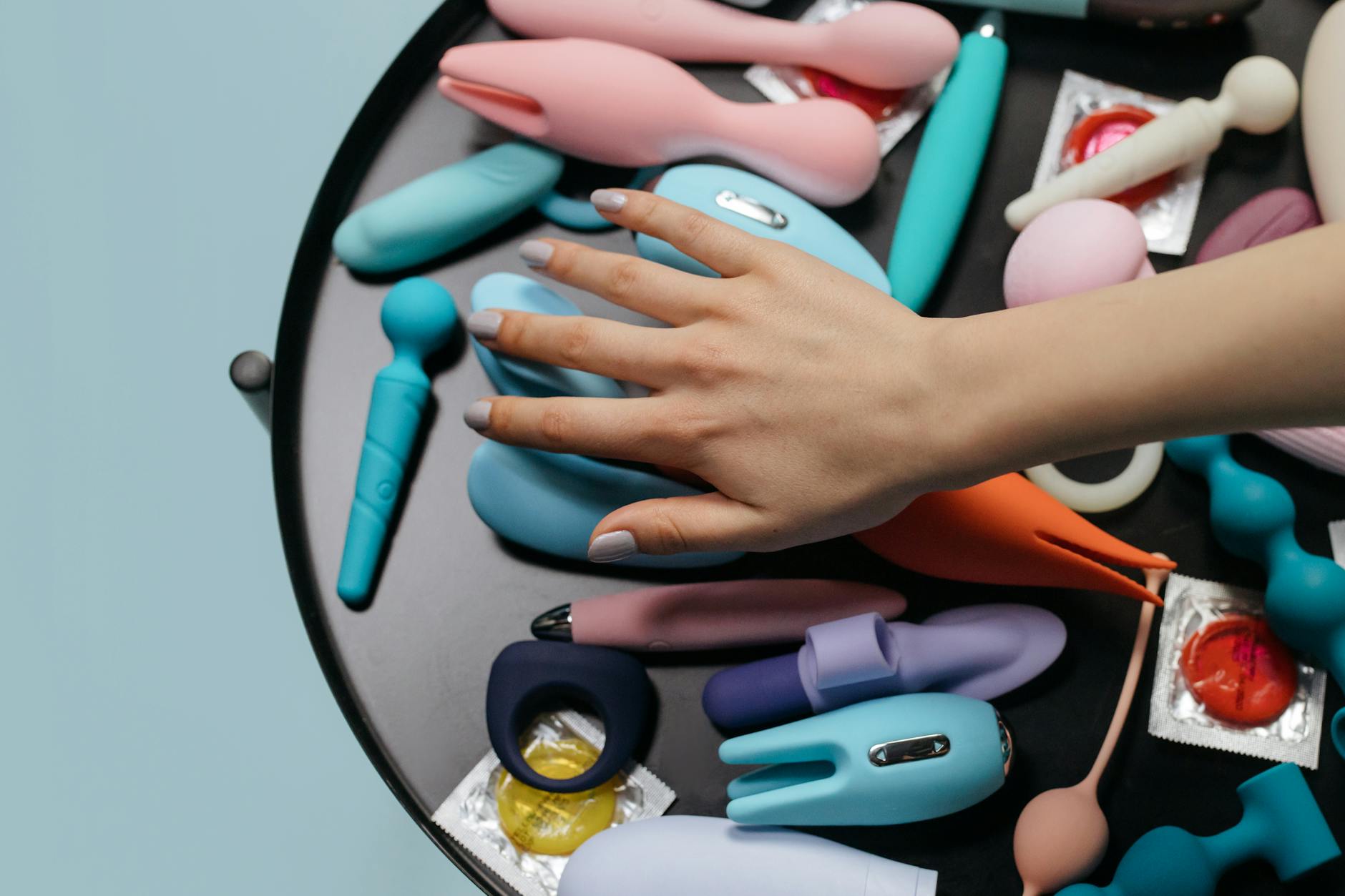
Photo by cottonbro studio on Pexels
FAQ: Rebuilding sensation with lemon vibrators
How soon after giving birth can I use a lemon vibrator?
Wait for full medical clearance from your OB or midwife, typically 4-6 weeks postpartum. Even then, start with the gentlest setting, short sessions, and only if you feel emotionally ready. Some people take 2-3 months before they want to reconnect with toys at all. That's normal.
Can using a lemon vibrator hurt my C-section scar?
No, because you're stimulating the clitoris, which is outside the scar site. If you had a C-section, external clitoral stimulation with a lemon vibrator is actually easier than it would be if you were trying penetration. Start at low intensity, use lubricant, and stop if you feel sharp or burning sensations.
Will a lemon vibrator feel right after giving birth, or will it feel weird?
It will probably feel weird at first because your body is literally different. That's not broken. Nerve endings need time to reactivate. Most people report that lemon vibrators feel genuinely good by week 8-10 of consistent use, even if the sensation feels quieter than before birth.
Can I use a lemon vibrator while breastfeeding?
Yes, absolutely. Breastfeeding suppresses some arousal hormones, which is why sensation might be lower. Using a lemon clitoral vibrator won't interfere with milk supply or breastfeeding. It might help you reconnect with pleasure while your body is managing both lactation and arousal simultaneously.
What if I still feel numb at 4 months postpartum?
This is more common than you think, especially if you're exclusively breastfeeding or dealing with postpartum anxiety or depression. Try using a lemon vibrator 2-3 times per week. If sensation still isn't improving by month 6, talk to your OB about prolactin levels or postpartum mood support. Sometimes sensation loss is a marker of a larger hormonal or mental health shift that needs attention.
Should I tell my partner I'm using a lemon vibrator to rebuild sensation?
Yes, ideally. Not as a confession, but as a status update. "My body is healing and I'm using tools to reconnect with sensation. This is for me right now, not instead of us." Partners who understand this as medical recovery rather than rejection tend to stay more connected during the postpartum window. How to Introduce Lemon Vibrators to Your Partner Without Awkwardness offers strategies for that conversation.
The reset you deserve
Postpartum sensation loss isn't a permanent new reality. It's a chapter. And chapters end. With patience, consistent gentle exploration, and tools like lemon clitoral vibrators, most people feel their pleasure returning by month 4 or 5. Some take longer. Both are completely normal. Your body isn't broken. It's rebuilding. Give it the time and the tools it needs.
If you have questions about your individual postpartum recovery or how to navigate intimacy during this time, reach out. You deserve support.