
The thing nobody tells you about arousal timing
It used to happen fast. You'd think about it, or your partner would touch you a certain way, and within minutes you were ready. Now? Twenty minutes in, you're still waiting. It feels slower. It feels like something's wrong. It's not. Your arousal system is just recalibrating.
This shift catches people off guard because we're taught arousal is binary: on or off. The reality is way more granular. Arousal speed changes across your lifespan, with hormonal cycles, with stress, with how you feel about your partner that particular day. When it genuinely slows down across the board, it's usually one of three things. And once you understand which one you're dealing with, the fix becomes obvious.
Why arousal timing shifts in the first place
Let's start with the brain, because that's where arousal actually lives. Your brain receives a signal (visual, physical, emotional, memory). It floods your system with dopamine and noradrenaline. Blood rushes to your genitals. Tissues swell. Lubrication starts. That whole cascade used to happen in minutes. Now it takes longer.
Three things cause this:
Hormone changes. If your estrogen or testosterone levels drop (whether from age, medications, or hormonal shifts), your nerve endings become less responsive. They don't snap to attention as quickly. You still have sensation, but the trigger speed changes. This is the most common culprit and also the most treatable.
Pelvic floor tension. When you're stressed, anxious, or carrying tension in your body, your pelvic floor tightens. A tight pelvic floor literally restricts blood flow. It's like trying to fill a balloon with a pinched hose. You'll get there eventually, but it takes longer.
Neurological shift. Your brain gets more information as you age. You're filtering stimulation through more experience, more context, more "what if something goes wrong" thoughts. This isn't worse, it's just different. Your nervous system is more nuanced now.
The key: none of these mean your capacity for pleasure has shrunk. Your system just operates on a different timeline.
What changes, what doesn't
I want to be clear about the distinction because a lot of people conflate slower arousal with reduced pleasure, and they're not the same thing.
What changes: how quickly arousal begins and how quickly your tissues respond to initial stimulation.
What doesn't change: your capacity to orgasm, the intensity of orgasm, or your ability to reach that state of full arousal once you're there.
Many of my clients tell me their best orgasms happen after 40 or 50 or 55. This isn't a polite thing we say in therapy. It's clinical fact. The longer arousal phase often creates more sustained pleasure because your nervous system has more time to build a complex response.
Where lemon vibrators fit into slower arousal
Here's the thing about arousal timing: it's not really about time. It's about stimulus intensity. If your nerve endings need stronger or more targeted stimulation to wake up, you have two choices. Wait longer for your body to naturally reach that threshold, or introduce a tool that meets your system where it is.
A lem vibrator does the second thing. Suction-based stimulation (which lemon clitoral vibrators use) creates a different kind of pressure than vibration or direct touch. It engages deeper nerve networks in the clitoris. For people whose arousal timing has slowed, this often means the gap between "not ready" and "fully ready" shrinks dramatically.
I've worked with dozens of couples where one partner's arousal had genuinely slowed. They'd try extending foreplay, trying different positions, trying to "get in the mood" first. Nothing shortened the timeline because nothing was addressing the actual problem: their nerve endings needed different input.
Once they introduced a lemon vibrator into their routine, the pacing changed. Not because they were forcing anything, but because the tool was designed to meet the actual physiology of what their body needed.
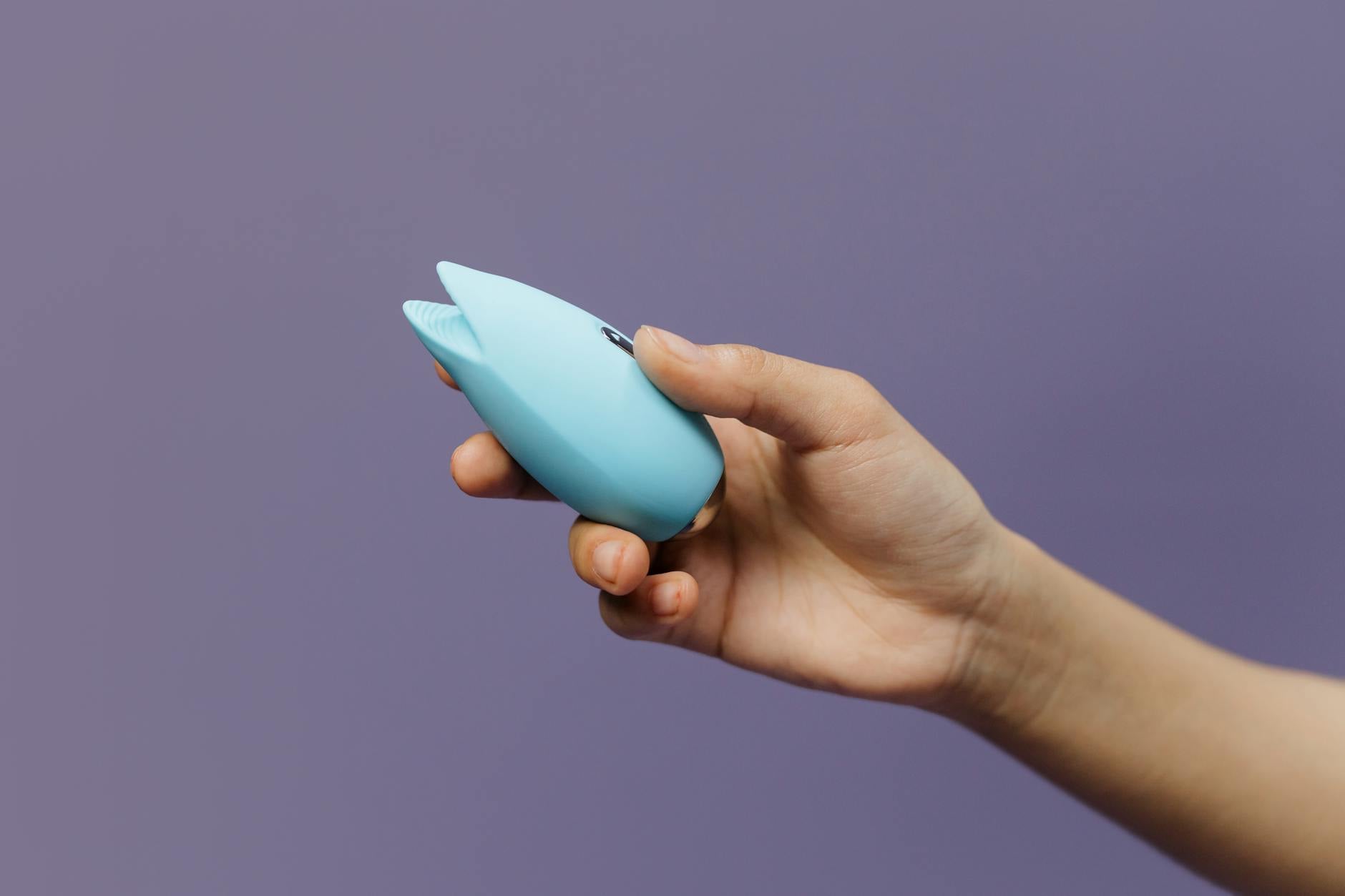
Photo by cottonbro studio on Pexels
The practical part: how to actually use this
If slower arousal is new for you, here's what tends to work:
Start with a lem vibrator about 10-15 minutes into foreplay, not at the beginning. You want some baseline arousal happening already. Then introduce the device at a lower intensity setting. Let your body get familiar with the sensation. The goal isn't to rush to orgasm. The goal is to let your nervous system wake up.
This does two things. First, it removes the pressure of "why is this taking so long?" which itself kills arousal. Second, it gives your body permission to settle into a slower pace without anxiety. Your brain isn't checking the clock anymore.
If you have a partner, the dynamic shifts too. Instead of the partner feeling like they're not doing enough, they're now part of a team. The lemon vibrator isn't a replacement for their touch. It's a tool that makes the whole experience feel less effortful.
One more practical thing: if you're using a lemon clitoral vibrator, water-based lubricant helps tremendously. Slower arousal sometimes means less natural lubrication in the beginning. A little external lube lets the suction work more effectively and makes everything feel better faster.
The emotional part (which is actually the bigger part)
Here's what I see over and over in my practice: someone's arousal slows down, they panic, they blame themselves. They think they're losing sexuality or becoming "difficult." None of that is true. What's happening is their body is asking for something different. And the longer you fight that request, the more stuck you get.
When you accept the slower timeline instead of resisting it, arousal actually becomes easier. There's no performance pressure. There's no checking in with yourself about whether you're "doing it right." You're just letting your body move at its actual pace.
This is where a tool like a lemon vibrator becomes emotionally powerful, not just physically. Using it sends a message to your nervous system: "I'm giving you what you actually need. I'm not forcing the old timeline. I'm meeting you here." That permission ripples through everything.
For couples, it can rebuild connection too. If slower arousal has been creating friction (pun intended), introducing a tool designed for this specific need removes the blame from the person whose body changed. It becomes a shared solution instead of a problem one person has.
When to talk to someone
Slow arousal is normal. But if arousal has disappeared entirely, or if it's only started happening alongside depression, anxiety, or major stress, talk to a therapist or your doctor.
Medications can dramatically slow arousal. If you're on antidepressants or blood pressure meds, this is worth discussing with your prescriber. Sometimes switching timing or dosage helps. Sometimes switching meds helps. Sometimes it's a side effect you'll manage.
Hormonal changes deserve attention too. If you suspect testosterone drop or estrogen fluctuation, a doctor trained in hormone health can actually do something about it. This isn't just acceptance. This is treatment.
But if your arousal is slower and everything else is stable? You're not broken. Your body just needs a different approach.
The bottom line
Arousal timing changes over your lifespan. Slower arousal doesn't mean less pleasure or less sexuality. It means your system works differently now. A lemon vibrator, designed for targeted clitoral stimulation, bridges that gap without frustration. You get to keep your sexuality, keep your pleasure, and stop waiting for your body to behave like it did fifteen years ago. Which, honestly, is a better deal than it sounds.
People also ask
How long should arousal take normally?
There's no "normal." Arousal timing varies wildly between people and even within the same person across different days. For some people, 5 minutes is standard. For others, it's 30. Hormones, stress, relationship quality, how much sleep you got, how turned on you are mentally. all affect timing. The only real metric is whether it feels sustainable for you and your partner. If it doesn't, that's when you might explore tools like a lem vibrator.
Does using a lemon vibrator make arousal even slower over time?
No. Some people worry that introducing a tool will make their body "dependent" on it. That's not how neural plasticity works. If anything, using a targeted device like a lemon clitoral vibrator can help your nervous system remember what pleasure feels like, which often makes natural arousal easier afterward.
Can my partner help if my arousal has slowed down?
Absolutely. More foreplay helps. Different types of touch help. But here's the honest part: if the slowdown is biological (hormones, medication, age), no amount of foreplay alone will return you to the old timeline. Your partner being patient and engaged is crucial for the emotional piece. A tool designed for your actual physiology handles the physical piece. Both matter.
Is slow arousal a sign that I'm losing attraction to my partner?
Sometimes, yes. But most often, no. Slow arousal usually signals something happening in your body or your nervous system, not your relationship. That said, if arousal slowed down right after your partner did something that bothered you, that's different. That's emotional. Talk about it. If arousal slowed down gradually over months or years? That's usually biological.
What if my partner thinks I'm not attracted to them anymore?
Talk early and specifically. Don't say "I need more time." Say "My body is taking longer to wake up. This isn't about you. Here's what helps." Then show them. Use a lemon vibrator together. Let them see that your body responds, just on a different timeline. Most partners get it immediately once they understand it's not rejection.
Can I use a lemon vibrator if I'm on medication that slows arousal?
Yes, and it's often the most practical solution. Medication side effects on arousal are real. Before you stop your meds or switch them, try addressing the arousal piece with a tool designed for it. A lem vibrator gives your body what it needs while you keep taking care of your mental health. You don't have to choose between them.