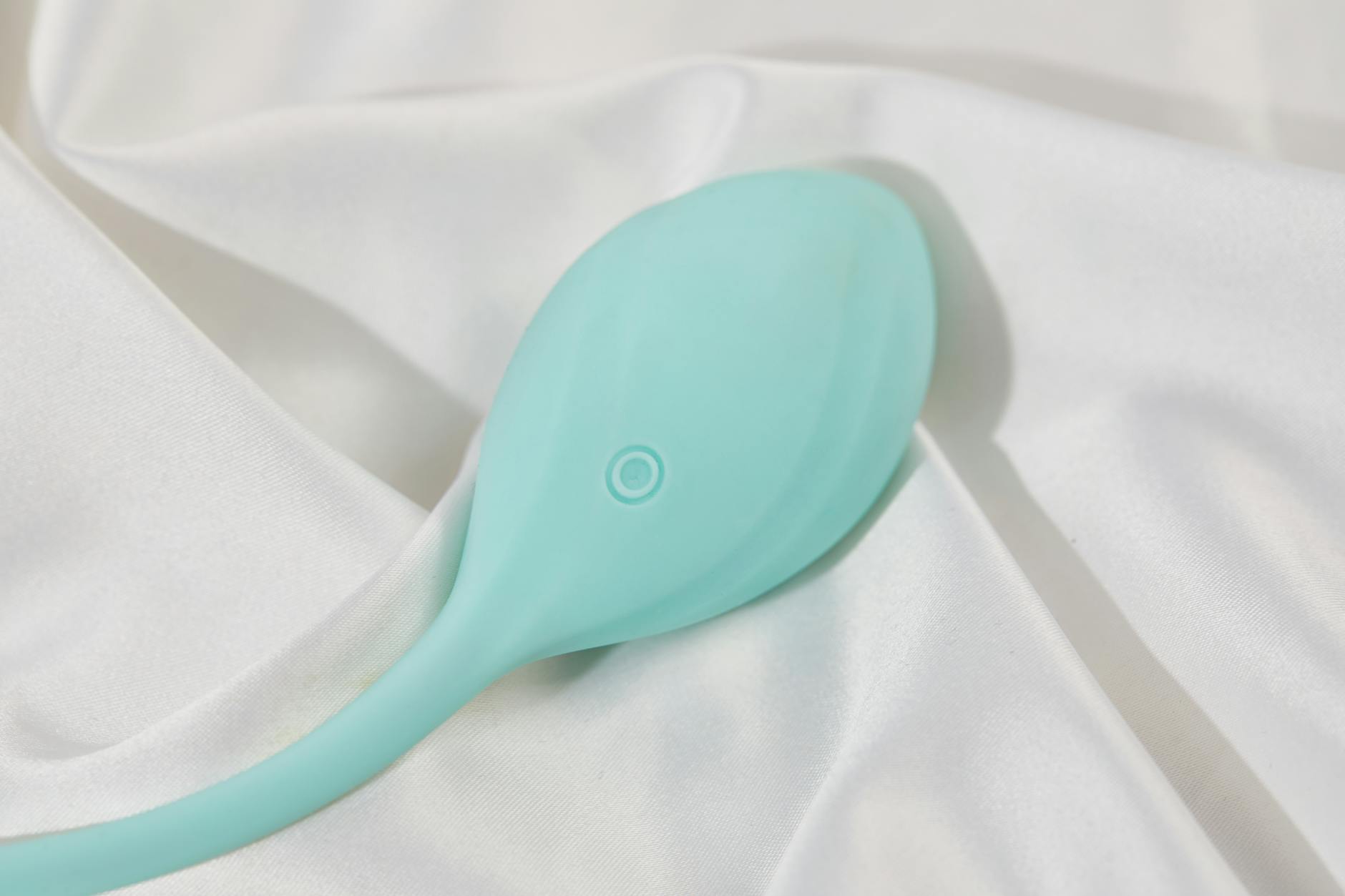
The thing nobody tells you about long-term arousal
After five years, ten years, twenty years together, arousal changes. It doesn't disappear. It gets slower, quieter, more selective. And then you panic because you think something's wrong.
It's not. What's changed is your nervous system's relationship to familiarity, mental load, and predictability. Your body has literally recalibrated how it responds to someone it knows so well that there's no novelty, no mystery, no threat.
Why arousal actually slows down in long-term relationships
Here's the neuroscience part without the jargon. Arousal depends on a chain reaction in your brain. It starts with novelty, anticipation, or risk. Over time, a familiar partner stops triggering those signals the same way. Your brain knows what's coming. There's no dopamine spike because there's no surprise.
There's also the partner problem. After a decade together, you know exactly how they touch you. You can predict the pace, the pressure, the rhythm. Your body has learned to tune it out. It's not rejection. It's adaptation. Your nervous system is essentially saying, "I've seen this already."
Add in the realities of long-term life: shared stress, shared finances, shared logistics, maybe kids, maybe aging parents. Your partner is no longer just someone you sleep with. They're your co-pilot through everything difficult. That intimacy is real and valuable. But it also means your brain is categorizing them partly as a family member, not just a lover.
Neither of you is broken. Both of you are neurologically normal.
Why lemon vibrators work when traditional stimulation doesn't
This is where clitoral suction technology makes a real difference. A lemon vibrator uses a completely different mechanism than what your partner's hand or mouth can do.
Traditional stimulation, even great traditional stimulation, is what your body has learned to expect. Your partner touches you the same broad way they always have. There's a rhythm you know. Your nervous system has filed it away as "this is fine but familiar."
Lemon suction vibrators like the Lem work by creating a sealed micro-suction against the clitoral hood. It's not vibration, not direct stimulation, not friction. It's something your body hasn't spent ten years adapting to. It's novel in the way that matters: a completely different sensation that doesn't feel like anything your partner can replicate.
That novelty kicks arousal awake. Your nervous system says, "Wait, what is this?" And that small surprise is enough to restart the chain reaction.
It's not about your partner being replaced or your body preferring a toy. It's about introducing sensory novelty into a relationship that's lost it. You're not choosing between them and the toy. You're using the toy to wake up the part of arousal they can't stimulate alone anymore.
The practical timeline when arousal slows
Most couples notice the shift around year three to five. Arousal that used to build in five minutes now takes fifteen. That quickening before they even touch you. That magnetism. It flattens out.
By year ten, many partners need intentional foreplay, environmental changes, or actual novelty to feel aroused at all. Not because they don't want sex. Because arousal isn't a dial anymore. It's a muscle that needs targeted work.
This is where lemon sexual toys enter the picture. They're not a fix for a broken relationship. They're a tool for a relationship that's hit the normal limit of what familiarity can offer.
Some couples use them together. Some use them solo and then come to their partner. Some alternate. The point is reintroducing an element of discovery. The Lem, the Avocado, clitoral vibrators of any kind, when introduced to a long-term partnership, often break the arousal gridlock because they're not part of the script you've both memorized.
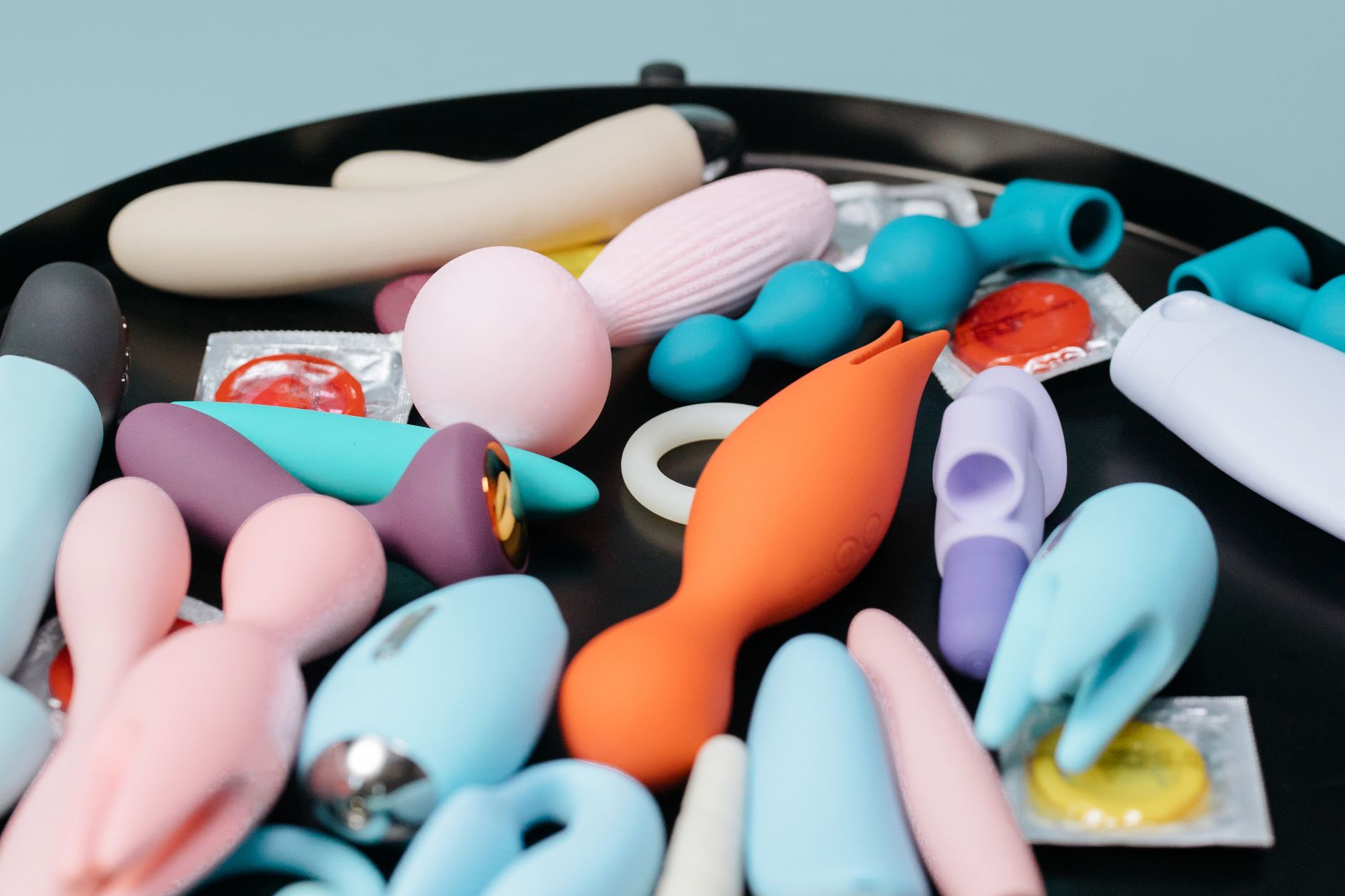
Photo by cottonbro studio on Pexels
How to actually use lemon vibrators in partnership
If you've been together a long time and arousal is dragging, here's what works:
Start solo. Use it alone, multiple times, until you know what it feels like and what settings you prefer. This removes the performance pressure. You're not trying to speed up your body to match their expectations. You're just learning the tool.
Then integrate it together, but frame it as exploration, not as a signal that something's missing. Something is missing: novelty and sensory input that reaches the parts of your body your partner's hands and mouth can't quite hit anymore. That's not a problem with them.
Many couples find that using a lemon clitoral vibrator together actually deepens focus. Your partner watches you respond to something new. They see your body respond differently. That curiosity, that attention, is itself arousing. You're not in the background half-present. You're the main event again.
The rhythm matters too. After arousal has slowed, budget more time. You're not accelerating biological response. You're waking up a nervous system that's been on standby. Start with the Lem on the lowest suction pattern. Let your body remember what building feels like.
When it's more than just slow arousal
If arousal is gone completely, not just slow, that's different. That might point to depression, anxiety, medication side effects, or a relationship issue that's bigger than routine. If that's you, a therapist or your doctor is the right first step, not a toy.
But if you're aroused eventually, just slowly, if you get there with intention and the right stimulus, that's the normal friction of long-term partnership. And a lemon vibrator, a clitoral suction tool designed to reach what your partner can't, often works because it's not familiar. It's not what you've learned to ignore.
The mental shift that matters most
Here's what I see couples miss: they think slow arousal means they've stopped wanting each other. They haven't. Their nervous systems have adapted. That's not failure. That's what happens in every long-term relationship that's built trust and security.
The solution isn't to panic or assume you need a different partner. It's to get smarter about stimulus. That means lube, more foreplay, environmental changes, toys that introduce sensation you can't create together with hands and mouth alone.
If you're years deep in a partnership and you've noticed arousal has shifted, you're not alone and you're not broken. You're just working with a nervous system that's learned the script. Lemon vibrators and clitoral suction devices exist partly for this reason: to reintroduce novelty in a long-term body.
People also ask
Why does it take longer to get aroused after being with the same partner for years?
Your nervous system has adapted to familiarity. Arousal partly depends on novelty and anticipation, which decrease naturally in long-term partnerships. You're neurologically normal. This is common enough that it's considered a feature of sustained partnership, not a flaw.
Can lemon vibrators help restart arousal in a long-term relationship?
Yes, because they introduce a sensation your body hasn't learned to ignore. The suction mechanism is different from anything a partner can replicate with hands or mouth. That novelty often reboots the arousal chain reaction. But the tool works best when both partners understand it's not a replacement, it's an addition to what already exists.
Is slow arousal a sign the relationship is dying?
Not necessarily. Slow arousal is normal in long-term partnerships. A dying relationship usually shows up as avoidance, resentment, lack of desire to spend time together, or explicit conflict. Slow arousal alone often just means your nervous system has adapted to safety and predictability. That's not the same as loss of connection.
How do I introduce a lemon clitoral vibrator to my partner if we've never used toys?
Start the conversation outside the bedroom. "I've noticed arousal has shifted. I want to explore ways to make it easier to get there together. I'm thinking about trying a toy designed for clitoral stimulation." Frame it as something for both of you to experience, not as a replacement. Use it together the first few times. Many partners find watching their partner respond to something new is actually more arousing than they expected.
Can lemon suction vibrators make arousal faster than it was in the beginning?
They can make arousal easier to access, but "faster" might not be the right measure. What often matters more is that sensation feels distinct and reaches parts of your body differently than your partner can. That creates mental engagement, which is half of arousal anyway. You might not go from zero to ten in five minutes again, but you can get there with intention and the right stimulus.
If lemon vibrators help with arousal in long-term relationships, why don't therapists recommend them more?
Many do. But some couples feel embarrassed bringing it up, and some therapists work from older frameworks that treated toys as a last resort rather than a normal tool. The science is clear: introducing novelty and new sensations helps reboot slow arousal. A clitoral vibrator is just a more targeted way to do that than most other options.
The bottom line
Slow arousal after years together isn't a crisis. It's not a sign you've fallen out of love. It's what happens when your nervous system knows someone so well that surprise becomes rare.
If you want to speed up the process, lemon vibrators and clitoral suction tools work because they're not part of the script you've both memorized. They introduce sensation that's genuinely new. That novelty is often enough to restart the arousal chain reaction your brain has learned to suppress.
Your body isn't broken. Your relationship isn't dying. You're both just working with the normal neuroscience of long-term partnership. And you have tools to work with it.
If you want to explore this further or talk through what might work for your specific situation, we're here. Reach out anytime at /contact.