Let's talk about what actually happens to sensitivity over time
Your clitoris doesn't retire. But between your 30s and 50s, the way it receives and responds to stimulation shifts in ways that can feel confusing or frustrating if you're not expecting them. The nerve density stays constant. What changes is tissue thickness, blood flow patterns, and how quickly arousal builds. If you've been using the same approach to pleasure for decades, you might suddenly feel like something's broken. It's not. Your body's just asking you to adapt.
I work with couples navigating this transition constantly, and the pattern is always the same: people assume their pleasure has diminished when really what's shifted is the stimulus itself needs to be more precise.
Why traditional vibrators become less effective
A standard vibrator works by rapid oscillation over the entire clitoral surface. In your 20s and early 30s, this directness is often perfect. But as collagen decreases and tissue thins slightly, direct vibration can feel either too intense or, paradoxically, less stimulating. You end up chasing sensation in a way that feels exhausting instead of pleasurable.
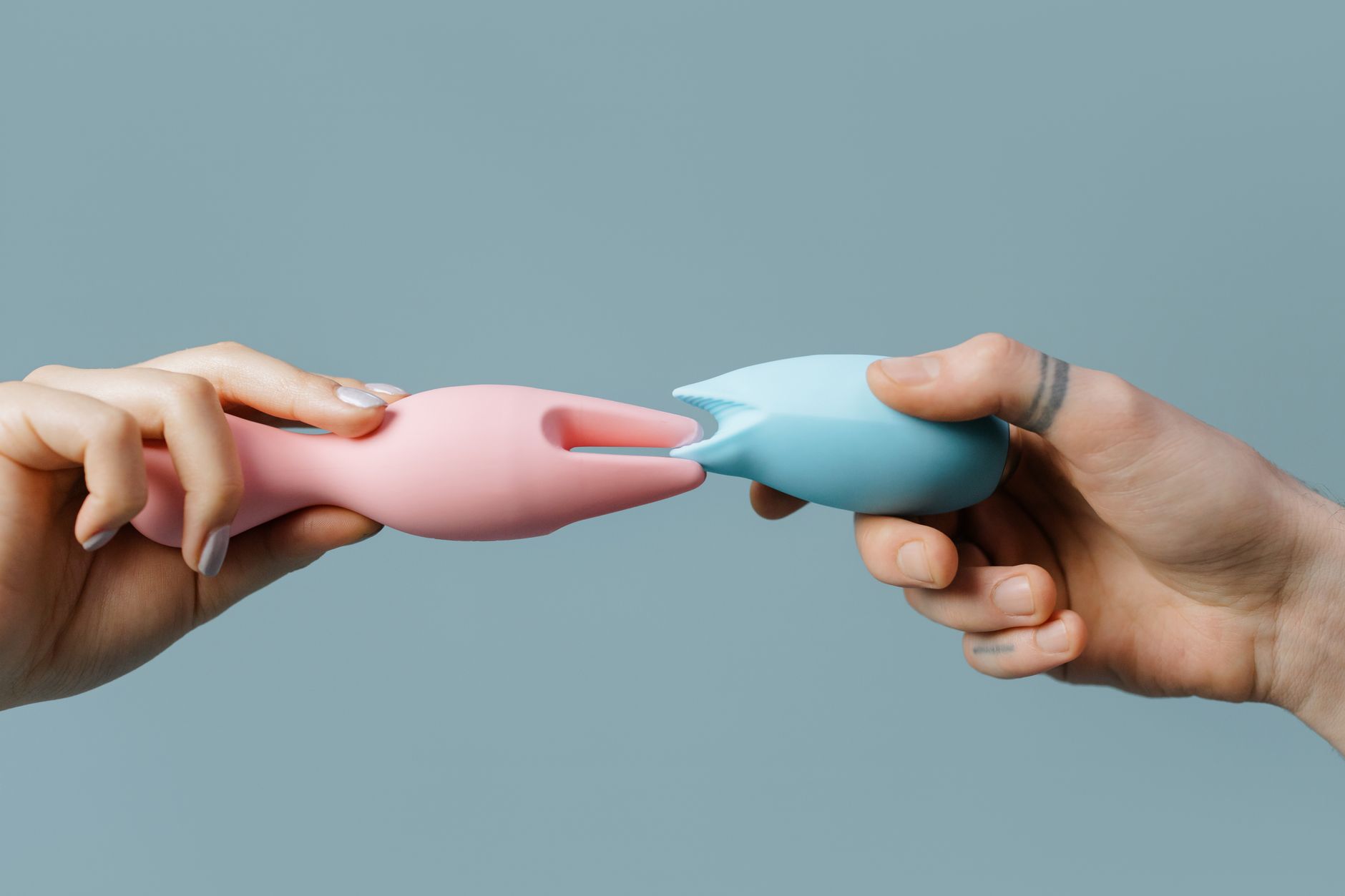
Lemon vibrators use suction technology instead. This means they create rhythmic pressure and release rather than constant buzzing friction. The distinction matters wildly. Suction stimulates deeper nerve endings without the mechanical grinding that can desensitize or irritate thinning tissue. It's not gentler necessarily. It's smarter.
Think of it like this: a vibrator is shouting at your clitoris. A lemon sucker is having a conversation with it, building sensation through rhythm instead of relentless speed.
The neuroscience behind why suction works better as you age
Your clitoris has roughly 8,000 nerve endings concentrated in a space the size of a pea. These nerves respond to different types of stimulation. Young tissue often lights up under direct vibration. Mature tissue responds more readily to rhythmic pressure changes, which activate different nerve pathways and can actually feel more intense even though the stimulus looks gentler from the outside.
Lemon clitoral vibrators deliver that rhythmic pressure in waves. Each pulse creates a small suction, then a release, then a build. This pattern mirrors how many bodies naturally respond to arousal. It's not fighting your nervous system. It's working alongside it.
Most importantly, suction doesn't numb the area the way relentless vibration can. You can use a lemon vibrator for longer sessions without that dead-nerve feeling that happens after 10 minutes with some traditional toys.
How to adjust your approach as sensation shifts
First, drop the pressure on yourself to feel the same way you did at 25. Your pleasure wasn't better then. It was just different. Different doesn't mean worse.
Second, start at a lower suction setting and actually pay attention. With lemon vibrators, you're often not looking for maximum intensity. You're finding the setting where sensation builds most consistently. For many people, that's pattern 2 or 3, not the highest setting.
Third, give yourself longer warm-up time. Arousal takes longer to build as you age. This is partly hormonal, partly neurological. It's not a problem. It's an invitation to slow down and focus. Most of the people I work with actually report that the slower build feels more satisfying than the quick spike of their younger years.
Fourth, experiment with pattern variation. The Lem vibrator has multiple suction rhythms specifically designed to meet different tissue responses. Spend time switching between them. Your body will tell you which ones work best.
Sensitivity changes aren't random. They follow patterns.
If you've noticed your sensitivity shifting, it likely tracks with one of these transitions: hormone changes (perimenopause, menopause, birth control shifts), medication changes, stress or relationship shifts, or simply the natural thinning of tissue that happens with time and decreased estrogen.
None of these mean your pleasure is ending. They mean your body is asking for a different tool. A lemon sucker is that tool.
I also want to acknowledge something people rarely say out loud: sometimes sensitivity shifts because you've been using the same stimulation method for 20 years and your nervous system has calibrated around it. This is called habituation. It doesn't mean you're broken. It means your brain and body are smart enough to normalize repeated stimulation. Switching to suction technology can reset this pattern quickly.
When to check in with a healthcare provider
If sensation has completely disappeared or if you're experiencing pain where there was none before, mention it to your doctor. Some of this is normal aging. Some of it traces back to medication side effects, thyroid shifts, or other things worth naming.
Genitourinary syndrome of menopause (GSM) is real and treatable. If penetration or touch feels painful in a way it didn't before, don't assume you're entering a sexless decade. You're probably dealing with tissue that needs hydration and support. Topical estrogen creams, vaginal moisturizers, and suction toys like lemon clitoral vibrators work beautifully together.
What pleasure at 45, 50, or 60 actually looks like
Most of my clients report that their best orgasms come in their 40s and 50s, not their 20s. This isn't me being kind. This is what people tell me when we're talking honestly.
Why? Because by then you know your body. You're not performing for anyone. You've usually worked through at least some of the shame or discomfort that muddled your earlier pleasure. And you've learned that the intensity of sensation matters less than the quality of attention.
A lemon vibrator matches that shift perfectly. It's designed for precision and presence, not for chasing the biggest hit of stimulation. You use it to focus on what actually feels good right now, in this body, at this age, with this particular nervous system.
That's not a step down from younger pleasure. That's a different kind of excellence.
Frequently asked questions
Why does my clitoris feel less responsive as I get older?
Clitoral responsiveness changes due to a combination of factors: declining estrogen (whether from aging or hormonal shifts), natural tissue changes, decreased blood flow to the area, and sometimes medication side effects. None of these mean your pleasure capacity is gone. They mean the type of stimulation that works best has evolved. This is why many people find <a href="/blog/why-lemon-clitoral-vibrators-work-better-than-vibration-alone-for-sensation-building">lemon clitoral vibrators work better than traditional vibrators as tissue changes</a> — suction technology meets aging bodies on their own terms.
Can suction stimulation help if I've lost sensation from medication?
Often, yes. Medications that numb sensation (certain antidepressants, antianxiety drugs, blood pressure meds) do so by dulling nerve response. Suction works differently than vibration. It activates deeper nerve layers and creates rhythm-based stimulation that can sometimes bypass the deadened surface response. That said, talk to your doctor about whether dosage or timing adjustments might help alongside exploring new toy technology.
Is it normal for orgasms to feel different in your 40s and 50s?
Completely normal and actually really common. Orgasms often become more localized (concentrated in the clitoris rather than whole-body), sometimes shorter, sometimes longer, sometimes more intense, sometimes subtler. Your nervous system isn't malfunctioning. It's recalibrating around a changing body. Many people report feeling more satisfied with fewer but deeper orgasms, especially when they're using tools designed for sustained sensation like lemon vibrators.
Should I switch to a different toy as I age, or stick with what I know?
There's no rule, but consider this: if what you've been using suddenly feels less effective, your body might be telling you it's ready for something new. Habituation is real. A fresh approach, especially one specifically designed for how your tissue responds at this stage, often reignites pleasure surprisingly fast. <a href="/blog/how-lemon-vibrators-help-when-your-clitoris-feels-less-sensitive-over-time">When your clitoris feels less sensitive over time, switching to a suction-based device like a lemon vibrator can restore intensity</a> without requiring more pressure.
Can hormone replacement therapy and lemon vibrators work together?
Yes. HRT increases blood flow and tissue hydration, which can restore some of the tissue thickness you've lost. Pairing this with a lemon vibrator often creates a powerful combination. The restored tissue becomes more responsive, and the precise suction technology helps you access that restored sensation fully.
Is loss of sensitivity with age permanent?
No. It's changeable. Tissue responds to increased blood flow, better hydration, consistent stimulation, and hormonal support. Using a lemon vibrator regularly can actually improve responsiveness over time because you're activating nerve pathways consistently and with precision. Many people notice their sensitivity returning or shifting to something new within a few weeks of switching tools.
The bottom line
Your body at 50 isn't a downgrade of your body at 25. It's a different system with different needs. Lemon vibrators are built for exactly this stage. They meet you where you actually are instead of asking you to chase the sensation you remember.
That's not settling. That's finally having the right tool for the job. If sensitivity has shifted for you, it might be exactly the time to explore what a lemon sucker can do. Your pleasure isn't ending. It's just asking you to pay better attention.
Have questions about finding what works best for your body? <a href="/contact">Get in touch with Shop Lem Toy</a> and we can help you navigate the options.