Here's what nobody tells you about numbing creams
Numbing creams are sold as a fix for sensitivity. The pitch is clean: if you feel too much, numb it down. Except here's the thing. You're not feeling too much. You're probably feeling the wrong thing, or not feeling at all when it counts.
I see this constantly in couples therapy. One partner uses a numbing cream for 'too much sensation,' and suddenly neither of them is feeling anything. The cream works exactly as advertised. It numbs. What gets lost in translation is that numbness isn't relief. It's just numbness.
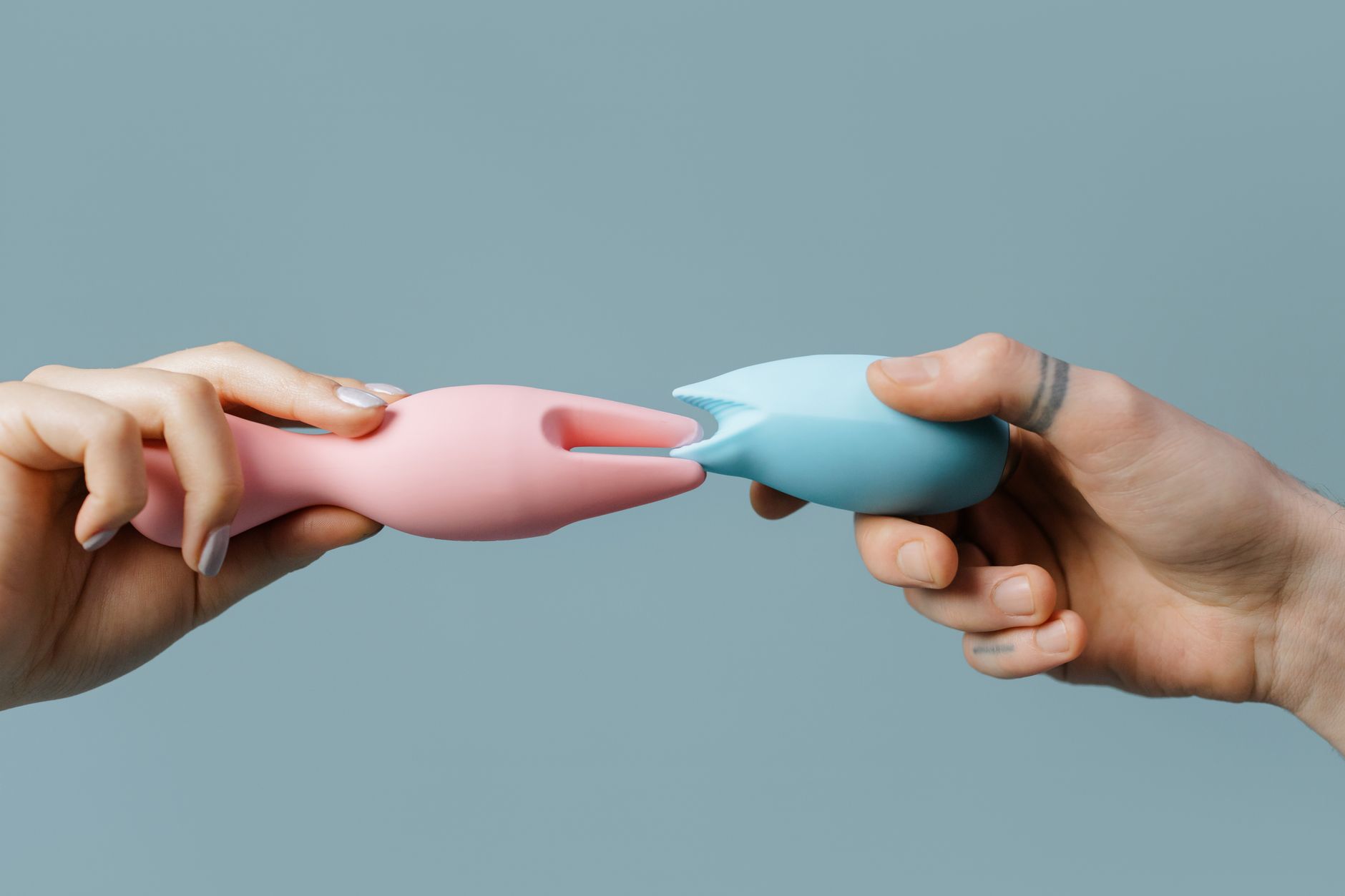
Lemon clitoral vibrators, especially models like the Lem that use air-suction technology, work on the opposite principle. Instead of deadening nerves, they wake them up.
Why numbing creams backfire (and why you probably used one for the wrong reason)
Numbing creams contain benzocaine or lidocaine. Both are topical anesthetics. They block nerve signals at the site of contact. This makes sense if you're treating actual pain. Vulvodynia, dermatitis, a healing wound. Pain is real. Numb it.
But here's where the logic breaks down: most people use numbing creams because sensation feels intense, not because it hurts. There's a difference.
Intensity and pain are not the same. You can have intense sensation that feels incredible. You can have mild sensation that feels like nothing. The quality of the signal matters more than the volume.
When you apply a numbing cream to intense pleasure, you're not solving the problem. You're erasing the problem. And you're also erasing the solution.
The other reason people reach for numbing cream is performance anxiety. Fear of finishing too quickly, fear of not finishing at all, fear of being 'too sensitive' in front of a partner. That's not a sensation problem. That's a confidence problem dressed up in chemistry.
What happens to your nerves when you numb them regularly
This is the part that matters clinically. Your clitoral nerves are trainable. They respond to stimulus over time by becoming more, not less, sensitive. This is called sensitization. It's why consistent use of the same vibrator can feel better over weeks.
When you numb those nerves repeatedly, you interrupt that training. Your body doesn't learn to respond more richly. Instead, it learns that sensation is something to block out. You build tolerance to the numbness, which means you use more cream, which means you numb more. It's a loop that makes you duller, not calmer.
I had a client who used numbing cream for two years because she thought she was 'too sensitive' during sex. When she stopped, it took about four weeks for baseline sensation to return. Then another eight weeks of consistent, patient stimulation before she felt like herself again. She now uses a lemon vibrator, not a numbing product.
How lemon vibrators rebuild sensation (without forcing anything)
The Lem and similar lemon clitoral vibrators use a different mechanism entirely. Instead of chemical numbing, they use pulsing suction patterns that stimulate rather than deaden.
Here's the physics: suction creates sustained, gentle pressure that activates a broader range of nerve endings than direct vibration alone. It's not sharp. It's not numb. It's consistently present.
For people recovering from numbing cream dependency, this matters because:
Pattern recognition. Your nervous system learns to recognize sensation when it's consistent and safe. Suction feels like presence. After a few sessions, your body starts to remember what awake feels like.
No chemical interference. You're not fighting a deadening agent. There's nothing in the way between your nerves and the stimulus. This sounds simple, but it's huge.
Progressive intensity. Lemon vibrators like the Lem have multiple patterns and speeds. You can start at the gentlest setting and work up as sensation returns. You're training your nervous system, not overloading it.
Pelvic floor integration. When you use suction, your pelvic floor actually responds differently than it does to vibration alone. Muscles that have been tense or overprotected start to engage naturally. This shifts the whole experience.
The timeline for rebuilding after numbing cream
If you've been using numbing cream regularly, here's what to expect.
Weeks 1-2: Stop using the cream. Expect to feel more during sex. This might feel overwhelming if you've numbed for months or years. This is temporary. Your nervous system is waking up, not breaking down.
Weeks 3-4: Start using a lemon clitoral vibrator at the lowest setting. Aim for 5-10 minutes a few times a week. You're not looking for orgasm. You're looking for recognition. 'Oh, I remember this.' That's the goal.
Weeks 5-8: Increase session length and play with 2-3 different patterns. Your nerves are repatterning. Don't rush. Sensation rebuilds slower than it gets numb, but it does rebuild.
Weeks 9-12: Most people report that orgasms feel richer, more present, less like they're chasing something. Pleasure isn't just stronger. It's more available.
This timeline is average. Some people recover faster. Others need more time. The variable is usually how long you used numbing cream and what you're trying to recover from underneath the numbness.
When numbing cream is actually the right call
I don't want to suggest numbing cream is always wrong. It's not.
If you have vulvodynia, genitourinary syndrome of menopause causing actual pain during sex, or a dermatological condition, topical anesthetics are legitimate medical tools. They're prescribed for a reason.
The distinction: if the goal is to manage pain so you can have sex, that's appropriate. If the goal is to manage sensation so you can relax, that's usually a signal something else is going on emotionally. Anxiety, control issues, a partner mismatch, something.
A good gynecologist or therapist can help you sort out whether you're using numbing cream to treat pain or to numb anxiety. Those require different solutions.
What to do instead if you're reaching for numbing cream
If you find yourself wanting to numb down sensation, pause. Ask yourself what you're actually trying to solve.
'I feel too much.' (Intensity.) This is usually about pacing or pattern, not sensation itself. Try a lemon vibrator at a lower intensity, or explore longer warm-up time. You're not broken. You're just building arousal in fast-forward.
'I'm nervous my partner will judge me.' That's a communication issue, not a sensation issue. The numbing cream isn't fixing your relationship. Talk to your partner about what's scary.
'I want to last longer.' Again, numbing cream doesn't fix this. It postpones sensation temporarily, which usually just makes you feel less during the experience you're trying to improve. Better approach: focus on breathing, take breaks, use a lemon clitoral vibrator solo to understand your patterns first.
'Sex is supposed to feel a certain way and mine doesn't.' This is the big one. Nowhere written says pleasure should feel intense or look a certain way. If you're comparing your sensation to a fantasy, a partner's report, or porn, that's the actual problem. Not your nerve endings.
Rebuilding with a partner
If you're doing this with someone, here's what helps.
Tell your partner you're stepping back from numbing cream and your sensation is going to change. More sensation at first might feel intense. That's not a problem. That's healing.
Use a lemon vibrator solo first. Get reacquainted with what you feel. Then invite your partner into that learning without pressure. They don't need to do anything differently. Just present.
Many couples find that this moment, when one partner is rebuilding sensation, creates surprising intimacy. You're literally learning each other again. If that sounds awkward, it is. And it's also often beautiful.
FAQ
Can I use lemon vibrators while still using numbing cream?
Technically yes. Practically no. You're working against yourself. The cream blocks signals your vibrator is trying to activate. Pick one path: either heal off the numbing cream with patience, or stay numb. Splitting the difference extends the numbness timeline and frustrates both of you.
How long until sensation returns after stopping numbing cream?
Baseline sensation returns in about 2-4 weeks. Rich sensation that feels similar to before regular use typically takes 8-12 weeks of gentle, consistent stimulation. This varies based on how long you used the cream and your individual nervous system.
Are lemon clitoral vibrators different from regular vibrators for this?
Yes, meaningfully. Suction-based vibrators like the Lem stimulate a broader nerve distribution and create presence rather than just intensity. This makes them particularly useful for sensitization work. Standard vibrators can work too, but suction feels safer to most people rebuilding sensation.
What if sensation still doesn't return after three months?
This is worth discussing with a doctor. Numbing cream shouldn't cause permanent numbness, but if baseline sensation hasn't returned after consistent efforts, there might be another factor at play. Nerve damage is rare but not impossible. A gynecologist trained in sexual health can assess.
Can numbing cream cause permanent damage?
Permanent damage from benzocaine or lidocaine is extremely rare. These anesthetics are reversible. But chronic use can definitely create a retraining problem where your nervous system learns not to signal. This takes time to undo, but it does undo.
Should I tell my partner I'm rebuilding sensation?
Yes. Not as 'I'm broken and fixing myself.' But as 'I'm learning something new about what feels good and I want us to explore this together.' Transparency builds trust. Mystery sometimes builds resentment.
What actually helps
Numbing cream promises relief. What actually delivers relief is understanding why you wanted to numb in the first place, addressing that (anxiety, pain, mismatch, pressure), and then giving your body time to remember pleasure without interference.
A lemon clitoral vibrator accelerates that remembering. Not by force. By invitation. There's a reason so many people find them indispensable during transitions like this one. They work with your nervous system, not against it.
Your pleasure isn't broken. It's just been sleeping. Waking it up takes patience, the right tools, and honesty about what you're actually trying to solve.
If numbing cream is part of your current routine and something in this post landed, that's worth exploring. Not as shame. As curiosity. Start by learning what you feel when you're not trying not to feel.
That's always the doorway back.