Let's talk about the thing nobody says out loud
You're lying there thinking about whether you're taking too long. Your partner checks in with a question that sounds like care but feels like a timer. Your brain splits in half: one part trying to feel something, the other part narrating your failure to feel it fast enough. And then you're done. Not because you came, but because the pressure became unbearable.
This is what performance anxiety feels like. And it is a genuine, measurable killer of pleasure.
The physiology of pressure
When you're anxious, your nervous system pivots into fight-or-flight mode. Blood vessels constrict. The pelvic floor tightens defensively. Your brain literally cannot process pleasure signals the way it does when you're relaxed. It's not a willpower problem. It's not because you're broken. It's basic neurobiology.
The research is clear: orgasms are harder to reach when you're monitoring yourself. When you're performing instead of experiencing. When part of your attention is always on whether it's happening fast enough, intensely enough, convincingly enough for someone else.
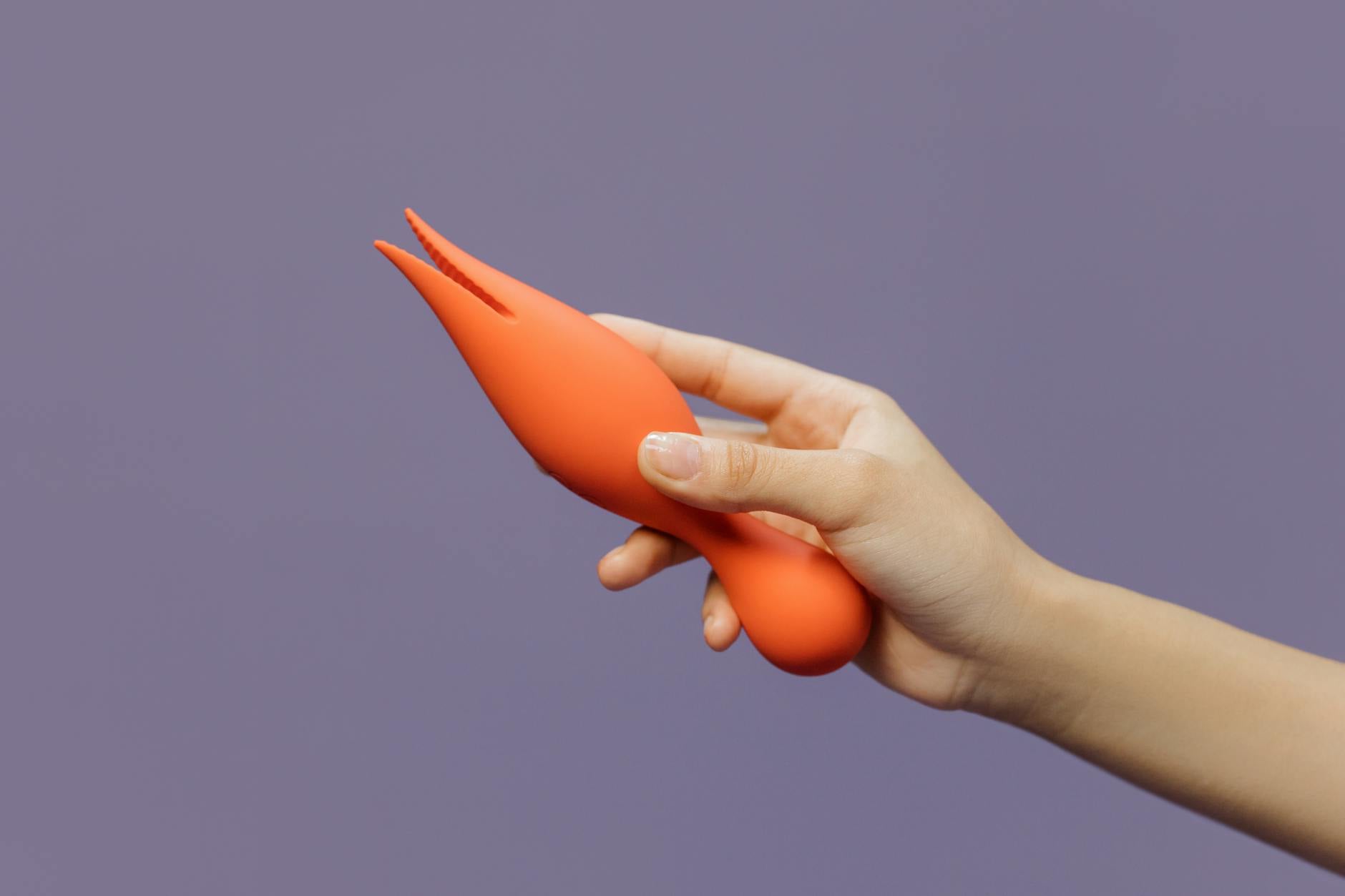
Lemon clitoral vibrators interrupt this loop in a surprisingly direct way.
Why sensation-focused tools work differently
Here's the difference between a vibrator and everything else you've tried. A lemon sucker or clitoral vibrator gives your brain something true to focus on. Not whether you look good, not whether your partner is satisfied, not whether you're taking too long. Just sensation. Specific, undeniable, physical sensation.
That's the magic of suction-based stimulation. The Lem by Shop Lem Toy creates consistent, focused pressure that's nearly impossible to ignore or minimize. Your brain can't multitask when the stimulation is that direct. You can't monitor yourself into anxiety when your whole nervous system is absorbing what's actually happening.
Many people find that the first time they use a lemon vibrator without an audience, without performance expectations, is the first time they understand what pleasure actually feels like outside of pressure.
How to reframe this with a partner
If you're using lemon sexual toys with someone, the conversation matters more than the tool itself. The shift is moving from "Help me come" to "I want to explore what actually feels good." That's not a small difference.
One approach: try using your lemon clitoral vibrator solo first. No audience, no timeline. Just you and the sensation. This does two things. It reminds your nervous system what arousal feels like without surveillance. And it gives you real data about what works for your body. When you come back to partnered sex, you're not working from anxiety. You're working from knowledge.
If a partner is present, the best partners reframe their role. They're not the person trying to "make" something happen. They're the person creating space for you to experience your own pleasure. That might mean they use the lemon sexual toy on you. It might mean they're just present and attentive while you use it yourself. The point is that the goal shifts from orgasm on demand to sensation and connection.
The paradox of letting go
One of the strange truths about performance pressure is that orgasms usually come easier when you stop trying to make them come. This sounds like meditation-retreat advice, but it's actually backed by sex therapist research. When you relax your pelvic floor, quiet the monitor in your head, and focus purely on sensation, your body's natural arousal response kicks in.
Lemon clitoral vibrators help because they lower the activation energy needed to reach that state. You don't have to white-knuckle your way to pleasure. The tool does some of the work for you. Your job is to be present with what you're feeling, not to perform anything.
When medication or trauma adds another layer
If performance anxiety is layered on top of medication side effects, trauma history, or a previous relationship where sex became obligatory, a lemon vibrator is still useful but it's not a standalone solution. The tool creates the conditions for pleasure, but sometimes you need therapy or coaching to clear out the deeper stuff.
I work with clients who've been in situations where sex became transactional, where orgasm was expected on a timeline, where their body was treated as a tool for someone else's satisfaction. A lemon clitoral vibrator can help reclaim agency. But it works best paired with the harder work of genuinely believing your pleasure matters.
Making the transition back to partnered sex
Once you've had the experience of pleasure without pressure, you've got something real to point back to. If a partner asks why you want to use lemon sexual toys during sex, you can say: "Because when I focus on sensation instead of performance, I actually feel more." That's not a rejection of them. It's information about how your nervous system works.
Some partners get defensive. That's worth addressing directly. A partner who feels threatened by your access to pleasure that doesn't depend on them isn't giving you what you actually need. But many partners feel relief. They get to step back from the impossible job of being responsible for your orgasm. You get to be responsible for your own experience. Everyone's pressure drops.
The reset your nervous system needs
If you've been in a sustained state of performance pressure, your nervous system may need a real reset. That might look like: two weeks of solo exploration with a lemon vibrator, no partnered sex, no pressure to orgasm at all. Just sensation. Your body will start to remember what that feels like. Your nervous system will recalibrate. Then when you bring pleasure-focused sex back into your relationship, you're not starting from a place of obligation or anxiety. You're starting from a place of actual desire.
This is not selfish. This is you doing the work to show up for your own body and, eventually, for your partner too.
People also ask
Why do orgasms take longer when there's performance pressure?
Performance anxiety triggers your sympathetic nervous system, the fight-or-flight branch. Blood flow constricts. The pelvic floor tightens. Your brain is split between arousal and monitoring whether you're "doing it right." That divided attention makes orgasm harder to reach because you literally cannot relax into the sensation. Using a lemon vibrator gives your brain a single clear focus: the specific, undeniable physical stimulus. That allows your nervous system to shift back into parasympathetic mode, the state where pleasure actually happens.
Can a partner help break the performance anxiety cycle?
Yes, but only if they understand what's happening. A partner who gets defensive about vibrators or who treats pleasure as their responsibility will keep the anxiety loop running. A partner who sees the lemon clitoral vibrator as a tool for your pleasure, not a replacement for them, can absolutely help. The reframe is: "This helps me connect with my own arousal, which means I'm more present with you." When a partner stops trying to produce your orgasm and starts supporting your pleasure, the pressure usually drops immediately.
Is it normal to take a long time to orgasm because of anxiety?
Completely normal. Some research suggests that anxiety-related difficulty with orgasm is one of the most common sexual concerns. It's not a sign you're broken or unresponsive. It's a sign your nervous system is in alert mode. The good news is that it's also one of the most treatable issues because the solution is usually pretty simple: remove the audience, change your focus, and give your nervous system permission to relax.
How do I know if my pressure is performance anxiety or something else?
A quick test: Can you orgasm alone without pressure? If yes, and orgasm is hard with a partner, performance anxiety is probably part of the picture. If orgasm is hard in both contexts, something else might be going on (medication side effects, hormonal changes, trauma history, or something else entirely). That's worth discussing with a therapist or doctor. But if solo pleasure is easy and partnered pleasure is hard, the pressure is almost certainly the variable.
Should I use a lemon vibrator alone first or with my partner?
Alone first, almost always. You need to know what your body can do without an audience. That knowledge is power. Once you've had the experience of pleasure without performance pressure, you have something real to work from. Then, if you want to bring it into partnered sex, you're doing it from a place of understanding, not from desperation or confusion.
What if my partner gets upset about me using a vibrator?
That's a conversation, not a problem with the vibrator. A partner who views your pleasure as competition for their ego is showing you important information about how they relate to you. Some partners can work through that with communication or couples therapy. Some can't. Either way, you've learned something true. Your pleasure matters. A good partner wants you to have access to it.
The bottom line
Performance pressure is real. It's a nervous system response, not a character flaw. And it's one of the easiest things to break once you have the right tool and the right mindset. A lemon vibrator or other lemon clitoral vibrator gives your brain something true to focus on. Your partner gives you permission to stop performing. And your nervous system gives you back what was always there: the capacity for genuine, pressure-free pleasure. That's the reset you need.