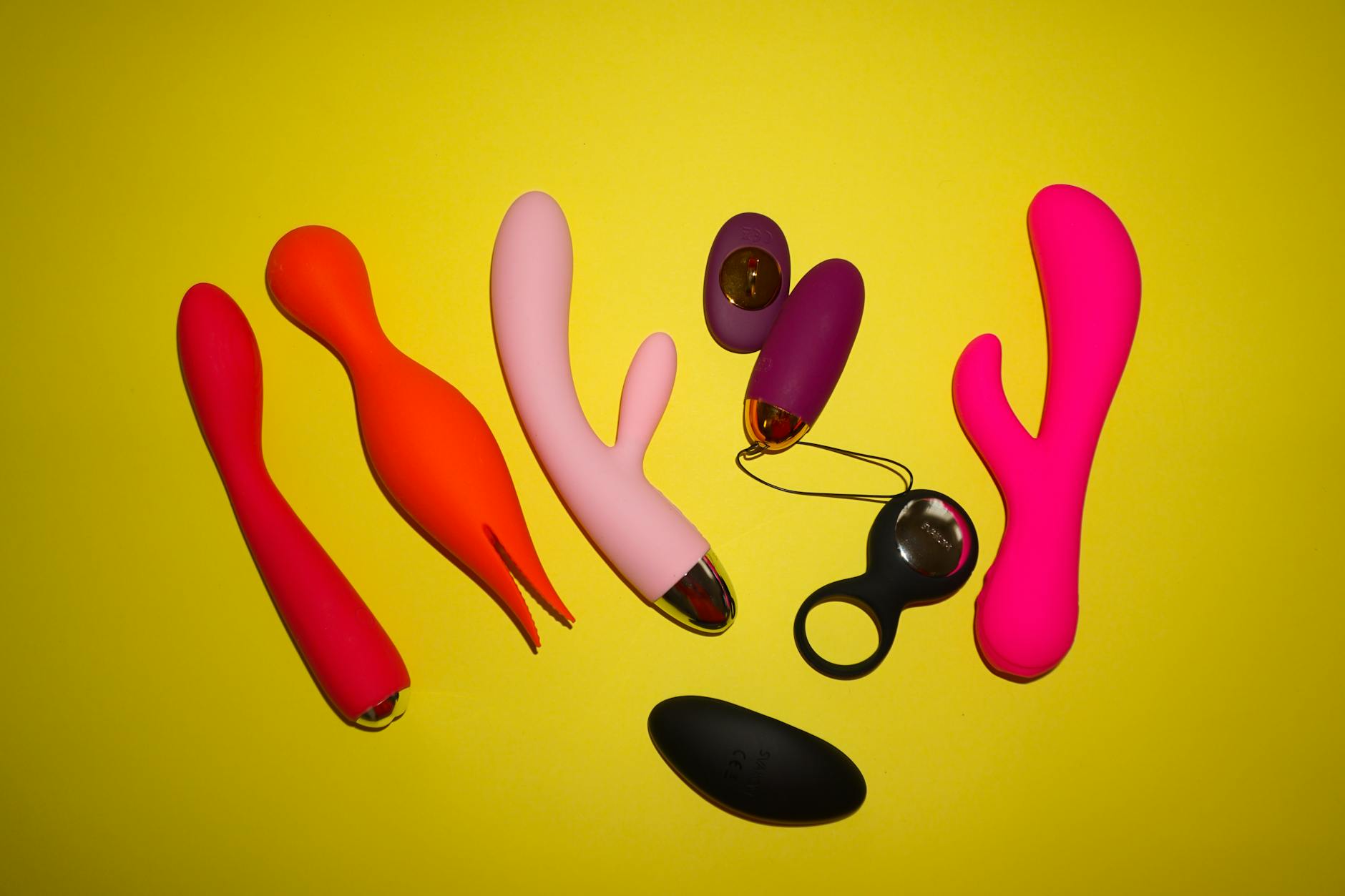
Let's start with what's actually happening
Here's the thing about sensitive skin and pleasure toys. It's not that sensitive skin and lemon vibrators don't mix. They do. What doesn't mix is sensitive skin and the wrong approach. Most irritation I see comes not from the toy itself, but from friction, moisture imbalance, or using a lube that your skin rejects. Once you understand the three main triggers, preventing them becomes straightforward.
Sensitive skin in the genital area is especially delicate because the tissue is thin and the pH is more acidic than the rest of your body. A lemon vibrator uses suction, not vibration, which means it creates a gentle seal and vacuum effect rather than high-frequency buzzing. That's actually gentler than traditional vibrators for sensitive skin. But there are still rules.
What actually causes irritation with clitoral vibrators
Three things irritate sensitive skin when using lemon suction toys. Understanding these prevents 90 percent of problems before they start.
Friction overload. Most irritation comes from extended direct contact without enough lubrication or protection. A lemon clitoral vibrator creates suction, which is less likely to cause friction than a standard vibrator, but the seal itself can feel abrading if you're going too long without breaks. The clitoris has about 8,000 nerve endings concentrated in a tiny space. Overstimulation isn't an orgasm problem. It's an irritation problem.
Lube incompatibility. Not all lubricants are created equal for sensitive skin. Silicone-based lubes, fragrance-heavy water-based options, and glycerin-heavy formulas can trigger reactions. Some people react to glycerin alone. Others react to paraben preservatives. Your skin might tolerate one brand and rebel against another that seems identical.
Moisture and pH imbalance. When you use lube and then leave wetness sitting on sensitive tissue for hours afterward, the skin macerated (becomes overly soft and irritated, like fingers after a long bath). This is especially true if you're leaving the area without air circulation or if the lube contains ingredients that disrupt your natural pH.
The protocol for sensitive skin users
Four steps before you even turn on your lemon vibrator.
Step 1: Test your lube first. Buy a small bottle of a glycerin-free, paraben-free water-based lubricant. Apply a nickel-sized amount to your inner wrist or forearm and wait 24 hours. If you see redness or feel itching, it's not right for your body. Once you find a compatible lube, stick with it.
Step 2: Start with the lowest suction setting. On a lemon vibrator, this usually means pattern 1 or 2. The suction strength is gentler than you'd expect, but sensitive skin needs to adjust. Use a lower setting for your first three to five sessions, even if it doesn't feel as intense.
Step 3: Apply lube generously. Not a tiny dab. A full dime-sized amount. This creates a buffer between the toy and your skin. The suction seal still works beautifully with adequate lubrication. You're not reducing pleasure. You're protecting tissue.
Step 4: Use a barrier if you're unsure. Some sensitive-skin users apply a thin piece of unscented toilet paper or a ultra-thin condom between the toy and skin for the first week. This sounds awkward, but it gives your body permission to relax while it adapts. Once you're confident, remove it.
Duration and rest cycles that actually matter
This is where most people go wrong. They assume that because lemon suction vibrators feel different from traditional vibrators, the time rules don't apply. They do.
Sensitive skin needs built-in rest cycles. Start with 10 minutes maximum per session. Yes, ten. Not because you can't have longer pleasure. Because your skin needs to recover and rebalance after stimulation. After three to five sessions at ten minutes without irritation, you can move to 15. Build your way up.
Between sessions, give your skin 24 to 48 hours without any clitoral stimulation at all. This isn't a hardship. It's a reset. Your vulva produces its own protective oils and pH-balancing bacteria. Constant stimulation disrupts that ecosystem.
After you use the toy, clean it immediately with warm water and mild soap, then dry it completely. Don't let it sit wet in a drawer. That moisture can transfer back to your hands and then to your skin on the next use, creating a moisture problem.
When to say no and when to keep going
Mild tingling or slight warmth during use is normal. Your skin is responding to suction and increased blood flow. That's fine.
Redness, itching, a burning sensation, or any pain means stop. If it continues for more than a couple of hours after use, you have a problem that needs solving. The most common culprit is the lube. The second is setting your suction too high too fast.
If you see persistent irritation, take a full week off. No toy, no finger stimulation of the area. Let your skin reset. Then try again with a different lube and a lower setting. If you're still irritated, talk to a gynecologist before you use any vibrator. Sometimes what feels like a toy sensitivity is actually a skin condition that a professional can identify.
The relationship piece that nobody talks about
If you're using a lemon clitoral vibrator with a partner, sensitive skin becomes a communication issue too. Here's why. When you have sensitive skin, you might need to say no more often. You might need longer recovery time between sessions. You might need to stop mid-pleasure for no reason that makes sense to someone whose skin doesn't work this way.
That's where a conversation matters. Tell your partner that sensitive skin is a real physical fact, not a rejection. And then give them specifics. "My skin needs 48 hours between toy sessions" is a rule they can respect. "I'm not in the mood" is confusing and gets tied to relationship anxiety.
When you frame it as a physical boundary instead of an emotional one, pleasure becomes a collaborative project instead of a source of guilt.
FAQ: Sensitive skin and lemon suction vibrators
Can I use a lemon vibrator if I have vulvodynia or vulval eczema?
Not without professional guidance. Vulvodynia and eczema need a specialized approach. Talk to a gynecologist who has experience with vulval conditions before introducing any new toy. They can tell you whether a lemon clitoral vibrator is safe for your specific diagnosis and which settings to avoid.
How do I know if I'm reacting to the toy material or the lube?
Stop using the toy but keep using the lube for three days. If the irritation clears, it's the toy (though this is rare with quality silicone). If it persists, it's the lube. Switch lubes while avoiding the toy for another three days. Most reactions are lube, not toy.
Is it okay to use coconut oil instead of water-based lube?
Not for extended use. Coconut oil can disrupt vaginal pH and create an environment where bacteria or yeast can grow. Stick to water-based lubes designed for the body, or ask your gynecologist for a recommendation.
What if I'm sensitive to all lubricants?
Try using your toy with a barrier first (ultra-thin condom or thin plastic wrap) to see if the suction itself causes irritation or if it's always the combination with lube. Some people can tolerate barrier plus minimal lube. Once you know what the actual trigger is, you can address it specifically. If all lubes and all contact causes pain, this is a conversation for a pelvic floor physical therapist.
Can I use a lemon vibrator less often if I have sensitive skin?
Absolutely. There's no rule about frequency. Once or twice a week is perfectly reasonable if that's what your skin tolerates. Your pleasure isn't diminished because you're using a toy less often. Quality over quantity applies to solo pleasure too.
Should I avoid lemon vibrators entirely if my skin is really reactive?
Not necessarily. Start incredibly slowly and test every variable one at a time. Some people with reactive skin do beautifully with lemon suction vibrators once they find the right lube and setting. The gentleness of suction compared to high-frequency buzzing is actually an advantage for sensitive tissue. But if after a month of careful testing you're still irritated, it might not be the right toy for your body. That's fine. There are other options.
The real takeaway
Sensitive skin doesn't mean you're broken. It means you need a specific protocol. Once you nail down your compatible lube, your comfortable setting, and your rest cycles, pleasure becomes simple and sustainable. A lemon vibrator is actually a smart choice for sensitive skin because suction is mechanically gentler than buzzing. You're protecting yourself while expanding your pleasure. That's the whole point.