The muted middle years thing nobody talks about
Let's be real. Around 40, something shifts. Not just your body—your whole life. The kids need different things, your career hits a plateau or explodes into chaos, your partner becomes more like a logistics coordinator than a lover. Your brain is running seventeen tabs open all the time. Pleasure doesn't disappear, exactly. It just gets quieter.
Your clitoris still works. Your nerve endings are still there. But the sensation feels distant, like you're touching yourself through a glove. Many of my clients describe it as being switched off from the shoulders down—physically present, mentally somewhere in the task list for next Tuesday.
This isn't a medical problem (though it can have medical pieces). It's a collision of attention, stress, and emotional distance. And it's genuinely fixable.
Why midlife transitions specifically dull sensation
Three overlapping things happen in parallel.
First, your brain's reward system gets recalibrated. Chronic stress and divided attention literally change how your dopamine responds to pleasure. Your nervous system learns to stay in low-level alert mode, which is great for keeping a household running and terrible for orgasms. It's not laziness or reduced desire—your brain is literally trained to ignore sensation.
Second, if you're in a long-term relationship during this period, physical touch often becomes functional. A hand on your shoulder means "I need you to sign something," not "I want you." After years of that, your body stops expecting pleasure from physical contact. The neural pathways for arousal get dusty.
Third, and this matters a lot, many people stop touching themselves. If you're already disconnected from pleasure at 35, adding more noise and chaos at 45 makes solo time feel like one more obligation, not relief. You stop exploring your own response, which means you don't know what would actually help anymore.
What lemon vibrators actually do here
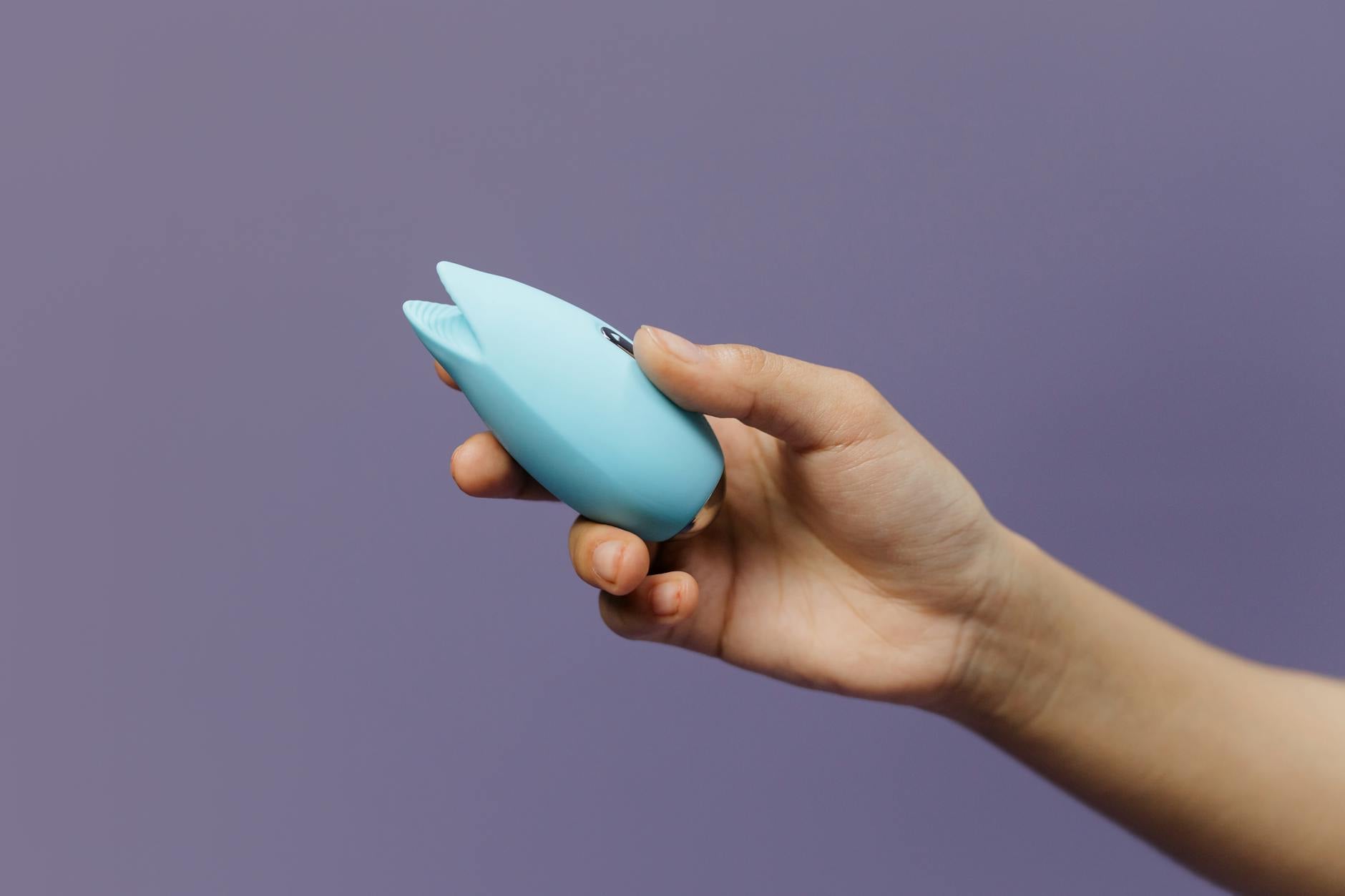
Clitoral vibrators—especially air-suction devices like the lemon clitoral vibrator—create sensation that's impossible to ignore. They work differently than your fingers or a partner's hand. The stimulation is consistent, focused, and rhythmic in a way that cuts through that background noise in your nervous system.
The lemon sucker specifically uses gentle suction waves that build sensation gradually. You don't have to think about it or perform arousal. The device does the work of concentration for you. After months of being mentally checked out, that directed physical focus can feel like waking up.
Lemon vibrators also create what I call "sensation certainty." When you're using your hand or waiting for a partner to touch you the right way, there's always a question: "Will this work today?" With a clitoral vibrator on a steady rhythm, the answer is usually yes. That predictability is oddly comforting when your nervous system is already overloaded with unpredictability.
How to actually restart sensation when it feels gone
Start with lowest intensity and longest timeline.
If you've been numb for months or years, your body needs permission to feel something before it can feel everything. Set aside 15-20 minutes when your brain isn't in logistics mode. Early morning before everyone wakes up or late evening after the house is quiet. Not when you're also mentally meal-planning.
Approach the lemon clitoral vibrator like you're learning it brand new. Start at the gentlest setting—many air-suction toys have 5-10 levels, and most people skip the first two out of impatience. Don't. Spend a full week at level 1 if that's what reconnection takes. Your goal isn't an orgasm. It's noticing sensation again.
Place the suction cup against your clitoris without penetration and focus on the physical feeling. Not fantasy, not your partner, not whether it's "working." Just the sensation itself. This is a reset for your nervous system, not a performance.
When sensation returns (it does)
Most people report the first spark of real sensation within 3-5 sessions with a lemon vibrator. It's not a massive orgasm necessarily. It's a "oh, I felt that" moment. That's the rewiring starting.
Once that baseline sensation comes back, you can explore intensity. If you want partnership involved, this is the moment to bring it back in—when you've already proven to yourself that pleasure is possible. How to use lemon vibrators when you want deeper pleasure with a partner covers partnership reconnection specifically.
If midlife transitions also disrupted your relationship's emotional foundation, solo reconnection to pleasure is actually the better starting point. You can't negotiate intimacy when you're numb. But once your own nervous system remembers what pleasure feels like, conversations about partnership become possible again.
The emotional work (the part lemon vibrators can't do alone)
Here's what I tell clients: a clitoral vibrator wakes up your body. It doesn't fix the relationship patterns that created numbness in the first place.
If the distance between you and your partner isn't just about logistics but about resentment, unspoken needs, or incompatibility around sex itself, a lemon vibrator is a tool for your own pleasure, not a band-aid for the partnership. That's a separate conversation—possibly with a therapist or couples counselor—but it's not unrelated.
If the numbness came from burnout or depression around life circumstances, and those circumstances are genuinely changing (kids launching, career stabilizing), then pleasure can return faster once you give your body permission to feel again.
Use solo time with a lemon sucker to notice what you actually want. Many people discover that what they thought was "lost desire" was actually "wrong relationship structure" or "need for different kind of partner touch" or "need for more autonomy." Pleasure is information.
Practical setup for real midlife schedules
Don't wait for a weekend. That never happens.
Build reconnection into an existing routine. Morning shower before work. Right after a workout when endorphins are already running. Ten minutes before bed with the door locked, phone on silent. The consistency matters more than the duration.
Keep your lemon vibrator in a place that's easy but private—not in a drawer you share with a partner if you need actual alone time, not in a spot your kids might accidentally open. You want zero friction between "I have 15 minutes" and "I'm reconnecting." That friction kills the habit.
Water-based lubricant speeds sensation back up. Even if you're producing natural lubrication fine, a little extra helps the suction cup work better and reduces any drag that might register as pressure rather than pleasure.
When to bring a partner back into this
Honestly? When you feel the spark return in your own body first.
If you've been numb and your partner is resentful about it, bringing them into a reconnection that's just starting feels like inviting them to witness a failure if it doesn't work immediately. Build the foundation alone. Then invite them to explore sensation together once you know what's possible.
If your partner is already emotionally present and just doesn't know how to bridge the distance, you can involve them sooner. They might actually find it hot to watch you reconnect. But that's a conversation first, exploration second.
Many couples discover that one partner using a lemon clitoral vibrator solo actually creates more opportunity for partnership because there's less pressure on the other person to "fix" the numbness. The relief is real.
The feeling you're chasing
You're not chasing an Olympic orgasm. You're chasing the moment you realize your body isn't broken—it was just switched off.
Midlife transitions numb sensation on purpose, in a way. Your nervous system is protecting you from more inputs when you're already overloaded. But once the chaos settles, your capacity for pleasure comes roaring back. A lemon vibrator is just a tool that speeds that return along.
FAQ: Sensation and Midlife Pleasure
Can a lemon clitoral vibrator actually rewire numb sensation?
Partially, yes. A clitoral vibrator creates intense, focused stimulation that your body can't ignore, which trains your nervous system to register pleasure again. But the numbness also has emotional and relational roots—the vibrator is the wake-up call, not the full solution. Mental presence and partner connection matter equally.
How long does it take to feel sensation again after months of numbness?
Most people notice a shift within the first week of consistent use, but full sensation and reliable orgasms often take 3-4 weeks. It depends how long you've been numb. The longer the numbness, the longer gentle rewiring takes. Patience is the actual tool here.
Should I tell my partner I'm using a lemon vibrator for sensation reconnection?
That depends on your relationship agreements and comfort. If you have a policy of transparency around sex, yes. If solo pleasure is already understood as private, no obligation. But consider that mentioning it—especially as "I'm doing this because my body needs to feel again"—can open conversation about why the numbness happened and what you both need moving forward.
Is sensation loss during midlife transitions normal?
Completely. Stress, divided attention, and emotional distance from a partner are all proven to reduce sexual sensation and response. It's not a sign your desire is gone or your relationship is broken. It's a sign your nervous system is in protection mode. Sensation usually returns when the stress level or relational dynamic shifts.
What if a lemon vibrator doesn't create sensation even after a month?
That's a sign to check in with a doctor about whether something physiological is happening (hormonal changes, medication side effects, neurological stuff). But also check whether the emotional distance is too deep. Sometimes the numbness is emotional before it's physical. Therapy or couples counseling might be the actual tool, with a vibrator supporting it.
Can I use a lemon vibrator with a partner while also rewiring sensation solo?
Yes. Many people discover that solo rewiring actually makes partnered time better, because you know what works for your body first. You're not relying on your partner to "fix" your pleasure. You're inviting them into something you've already started reclaiming for yourself.