The thing nobody says about long-term relationships
At some point, sex stops feeling like something you want and starts feeling like something you should do. It's not exciting or spontaneous. It's Wednesday night, the kids are asleep, and there's an unspoken expectation in the room. Your partner initiates. You feel a small knot in your chest.
That knot is real, and you're not broken.
Why obligation kills desire faster than anything else
The data is clear: couples who report "obligatory" sex experience lower satisfaction, more resentment, and less actual physical pleasure during the act. Your nervous system knows the difference between genuine desire and duty. When you're performing instead of connecting, your body responds by tightening up, lubricating less, and taking longer to find any pleasure at all.
It's not laziness or lost attraction. It's your nervous system protecting itself from the experience of going through the motions while your mind is somewhere else. Your brain is already calculating how long this will take, whether you need to wake up early tomorrow, whether your partner will be hurt if you say no.
That's not sex. That's a negotiation.
The pleasure gap that makes it worse
Here's the problem that most relationship advice misses: when sex becomes obligatory, it also often becomes less pleasurable for the person with lower desire. The penetrative-focused rhythm that works "efficiently" for a partner often doesn't build enough stimulation for the clitoris. Sex ends in 10 minutes. Everyone's frustrated. You feel guilty for "not being in the mood." Your partner feels rejected. You both leave the room more distant than when you entered.
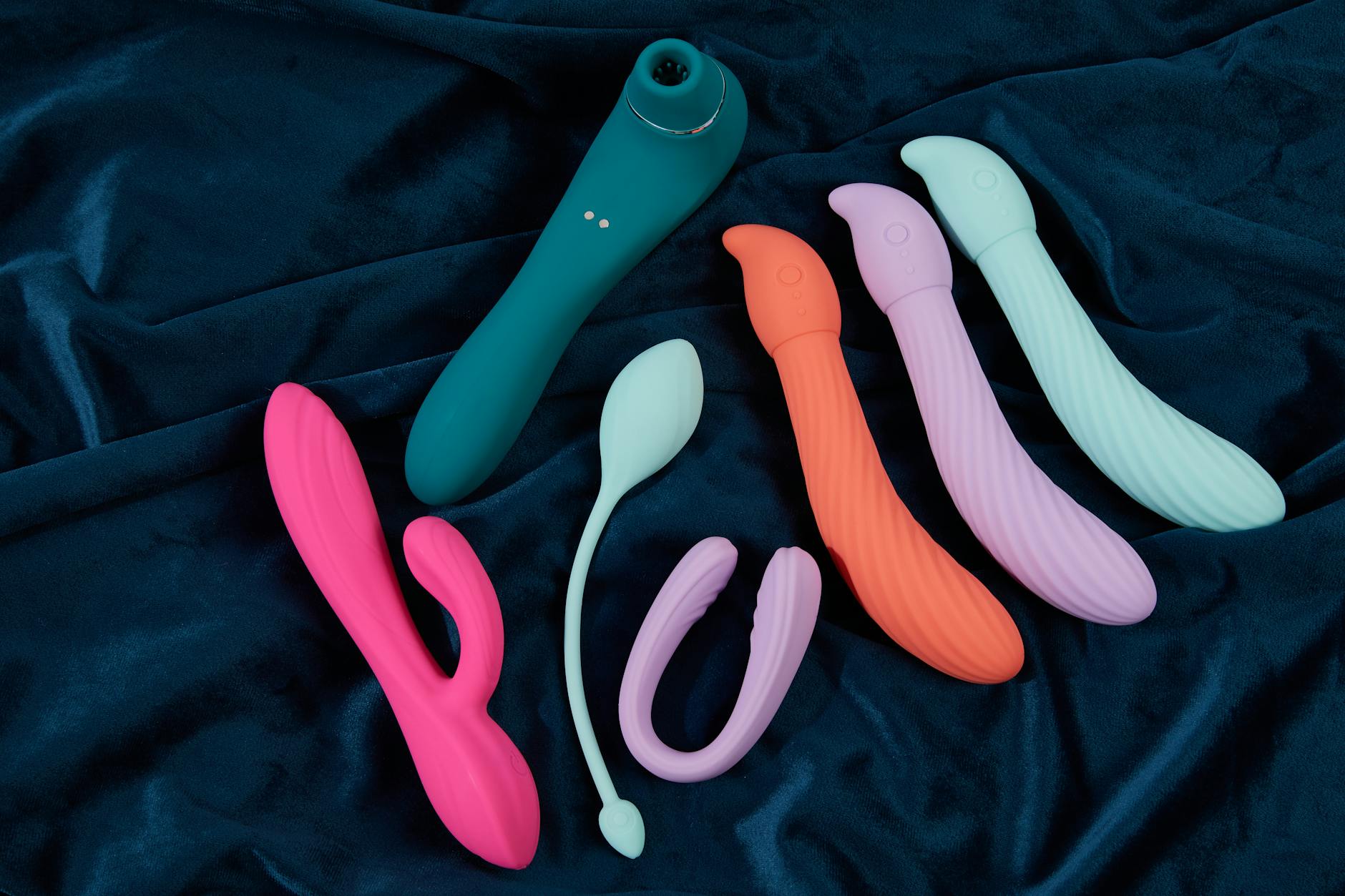
This is where lemon vibrators shift the dynamic entirely. Not as a Band-Aid, but as a tool that physically rebuilds the experience into something worth showing up for.
Using a lemon clitoral vibrator to rebuild your own desire
Start here: use it alone first. Not as a warm-up to partnered sex. Not as something to "fix" yourself. Use it to remember what genuine pleasure feels like when there's zero pressure.
Set 20 minutes aside. No partner in the room. No expectation of orgasm. Just you and the lemon vibrator on a low setting, exploring what actually feels good right now. Most people discover that when they're not performing or rushing, their pleasure map is completely different from what they thought.
You might find that you need longer warm-up time than you realized. That a specific pattern on the Lem (try pattern 1 or 2 to start) builds sensation gradually instead of jolting your nervous system. That when you're relaxed, you can actually feel arousal building instead of just waiting for it to happen.
This solo experience does something invisible but crucial: it reconnects you to your own desire as real and valid. You remember what your body actually wants. That's the foundation. Without it, partnered sex will still feel obligatory because you're not bringing yourself, you're bringing an obligation.
How to shift the conversation with your partner
The hardest part isn't using the vibrator. It's changing the story you're both telling about what sex should be. Most long-term couples fall into a rhythm where someone initiates (usually the partner with higher spontaneous desire) and the other person either agrees or declines. This binary is brutal because it frames sex as something one person wants and the other person grants.
Instead, introduce the vibrator as a tool for both of you to explore together, without the pressure of traditional outcomes. Say something like: "I want to rebuild pleasure in our sex life, and I'd like to try something that might help both of us enjoy it more. Will you explore this with me?"
This reframes the conversation from "I'm not interested in sex with you" to "I want to rebuild how we experience this together." That's a completely different energy.
Practical integration: the lemon vibrator in partnered sex
Once you've reconnected with your own pleasure alone, bring the vibrator into the bedroom. Start by using it during foreplay while your partner touches you elsewhere. This gives your nervous system multiple types of stimulation without the intensity of intercourse alone.
Many people find that lemon vibrators work beautifully because they provide deep, consistent stimulation without the vibration fatigue that comes with traditional bullet vibrators. The suction sensation keeps your body engaged longer, which means arousal actually builds instead of plateaus.
The rhythm doesn't have to be rushed anymore. You can use the vibrator while your partner is inside you, or you can use it while they explore other parts of your body. The key is that you're not waiting passively for pleasure to happen to you. You're actively building it. That changes everything about how the experience feels psychologically.
Setting boundaries that actually work
Here's what doesn't work: "I need more foreplay." This is information, but it still frames sex as something your partner does to you. Better: "I need us to spend 15 minutes just exploring what feels good without any end goal in mind. Will you do that with me?"
The specificity matters. The absence of an end goal matters even more. When your partner knows you're not trying to rush toward an orgasm or intercourse, they can relax too. Many partners are performing just as hard as you are, trying to "make" you want them. When you remove that pressure, everyone actually enjoys it more.
Set a boundary that pleasure comes first. Intercourse is optional, not the default finish line. This sounds small, but it fundamentally changes the power dynamic. You're no longer obligated to want something you don't want. Your partner isn't rejected if you'd rather use the vibrator alone together. Sex becomes something you both choose because it feels good, not because it's expected.
When to know it's time for deeper help
If you've used the vibrator solo for a few weeks, had honest conversations with your partner, and sex still feels obligatory, something else might be happening. Low desire can signal depression, medication side effects, relationship resentment, or burnout in other areas of life. A therapist who specializes in couples work can help you untangle that.
But most couples find that when pleasure is restored to sex (not obligation, not performance, actual pleasure), desire follows. Your body has memory. Once it remembers what genuine pleasure feels like, it wants it again.
FAQ: Obligation, desire, and lemon vibrators
Will using a vibrator make my partner feel inadequate?
Not if you frame it right. Approach it as "something we're exploring together to both feel better" instead of "you're not enough." Most partners feel relieved when the pressure to single-handedly create all their partner's pleasure is lifted. The vibrator isn't replacing them. It's removing an impossible expectation.
How long does it take to shift from obligatory sex back to desire?
Three to six weeks of consistent pleasure (alone and partnered) usually starts to shift the nervous system. You're literally rewiring the association between "sex" and "performance." That takes time. But the moment you feel arousal building naturally instead of forcing it, you'll feel the difference.
Can I use a lemon vibrator if I have absolutely no arousal right now?
Yes. Start on the lowest setting, take your time, and focus on sensation rather than outcome. No pressure to orgasm. Many people find that when arousal is completely absent, the consistent stimulation of a lemon clitoral vibrator eventually wakes something up. Give yourself permission for it to feel weird at first.
What if my partner wants sex more often than I do?
This is about rhythm, not frequency. You don't need to want sex more often. You need to want it more when it happens. A lemon vibrator can help you feel pleasure during sex without increasing how often you want it. That's a fair middle ground for most couples.
Should we use the vibrator every time we have sex?
No. Use it until desire rebuilds. Once your body remembers what pleasure feels like, you might find that sometimes you want it, sometimes you don't. That's healthy. The vibrator is a tool for reconnection, not a permanent accessory. Though some couples find they enjoy it indefinitely, and that's fine too.
How do I know if the obligatory feeling is about the relationship itself or just about sex?
If everything else feels good (you genuinely enjoy their company, you laugh together, you feel safe) but sex feels like a chore, it's a sex problem, not a relationship problem. If everything feels obligatory, that's different. You might need to look at the relationship more broadly. But most couples have good relationships with mediocre sex. That's fixable.
The actual goal
The point isn't to want sex more often. The point is to want it when it happens. To feel your own arousal building instead of watching it happen to someone else. To move from "I guess we should" to "yes, I want this."
A lemon vibrator is the tool. But you're the one doing the work of reconnecting to your own pleasure, your own desire, your own body. That matters. That's not a Band-Aid. That's the foundation.