Let's be real about vulvodynia and pleasure
Vulvodynia isn't just uncomfortable during sex. It's uncomfortable before sex, after sex, during a gynecologist visit, after wearing tight jeans, and sometimes for no reason at all. Your nervous system has decided that this area is in danger, and it's locked into protection mode. The idea of touching it intentionally with any toy, let alone a vibrator, can feel counterintuitive or even terrifying.
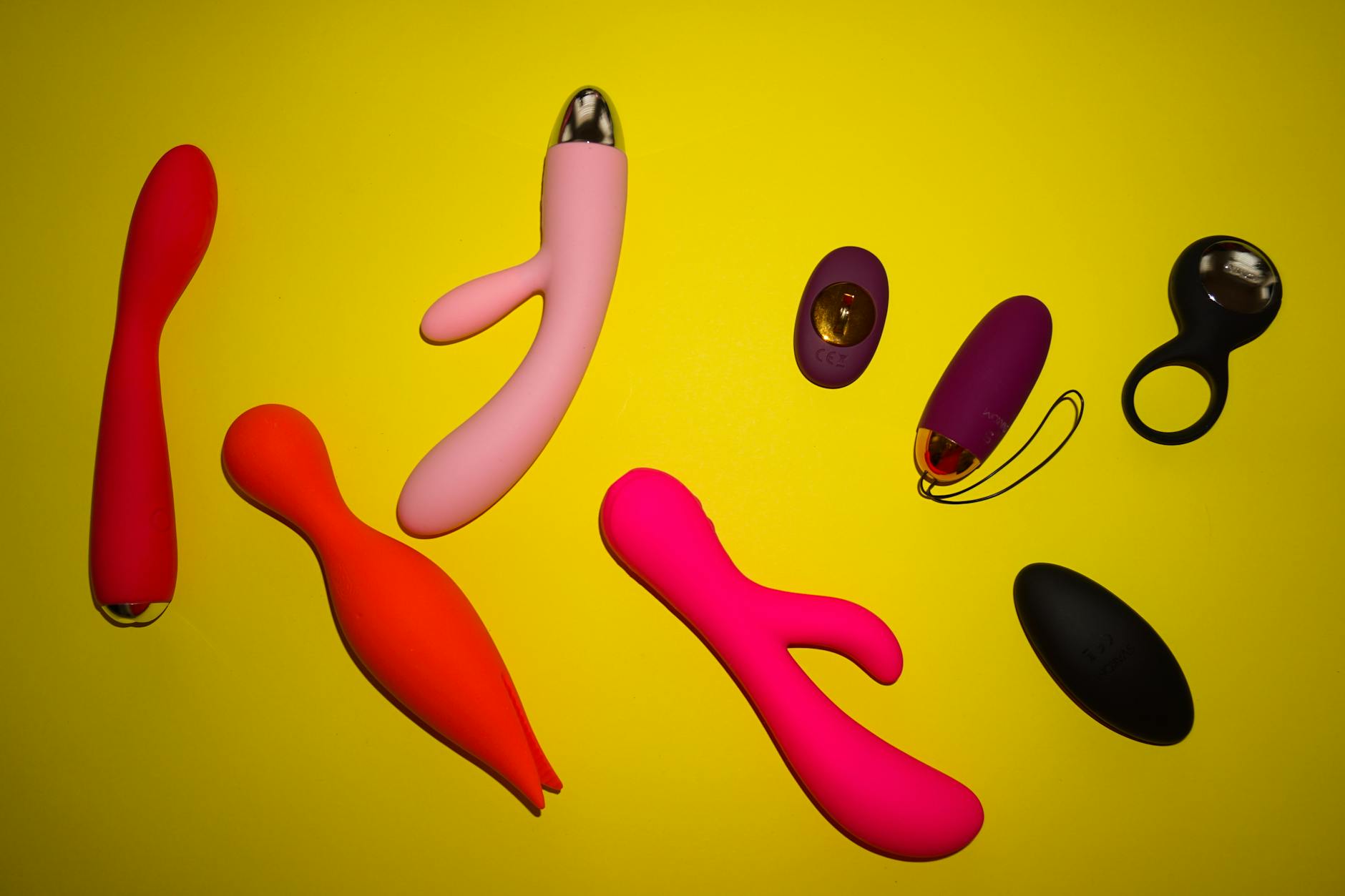
But here's what I've seen work in my practice: the right approach using lemon vibrators and clitoral vibrators like the one from Hello Nancy can actually help rewire that pain response. Not by powering through the pain. By systematically introducing pleasure in a way your nervous system learns to trust again.
How vulvodynia changes what pleasure actually feels like
Vulvodynia is chronic pain in the vulva with no clear infection or skin condition. The tissue isn't damaged. The nerves are just firing false alarms. This means traditional vibrators designed for speed and intensity can feel like torture. Your nervous system reads that stimulation as a threat, which tightens your pelvic floor, which amplifies pain. You end up in a feedback loop.
Lemon clitoral vibrators like the Lem work differently than standard vibrators. They use air-suction technology rather than traditional vibration. This stimulates nerve clusters without the repetitive mechanical pressure that triggers pain in vulvodynia. The sensation is more diffuse, gentler, and for many people with vulvodynia, radically more tolerable.
The suction pattern mimics the body's natural response to arousal, which can help your nervous system recognize this as pleasure instead of threat. That distinction matters enormously when your body has been conditioned to interpret all sensation as pain.
Starting slow: the desensitization approach
If you have vulvodynia, jumping into full sensation with any toy, even a gentle one, is likely to backfire. Your nervous system needs to learn that this area can be touched without pain.
Here's how I recommend people begin:
Week 1-2: Observation without touch. Look at the external vulva in a mirror. Notice texture, color, asymmetry. This sounds absurdly basic, but many people with vulvodynia have developed an adversarial relationship with this part of themselves. Neutral observation begins to neutralize the threat.
Week 3-4: Light manual touch. Use only your fingertips on the outer labia and mons pubis. No vibrator yet. Spend 5-10 minutes several times a week. Notice what feels tolerable versus what triggers pain. The goal is not pleasure. The goal is information.
Week 5-6: Introduce the lemon vibrator on lowest setting, external only. Place it gently on the mons pubis or outer labia. Do not go internal. Do not chase intensity. Set a timer for 3-5 minutes. The suction pattern of a lemon vibrator often feels less irritating than traditional vibration because it's not a constant buzzing frequency.
If any of these steps trigger pain that doesn't resolve quickly, pause and go back. There's no deadline here. Your nervous system will tell you when it's ready to go deeper.
The lubricant factor that changes everything
Vulvodynia tissue is often thinner and more sensitive. Even tools designed to be gentle can feel raw without proper lubrication.
I recommend silicone-based lubricant for vulvodynia specifically. Water-based lubes break down quickly, which means friction increases over time. Silicone-based options stay slick longer and create a protective barrier. Just remember: if you're using a silicone toy, switch to water-based lube. Silicone lube can degrade silicone materials. The Lem and most lemon sexual toys are body-safe silicone, so water-based is actually better anyway. Use generously. More lube than you think you need.
Reapply mid-session. If anything starts to feel dry or raw, stop immediately. Pain is information, and vulvodynia makes that signal hard to trust. In this case, trust the discomfort completely.
Understanding your pain patterns
Vulvodynia isn't random. Most people find their pain has a pattern. Maybe it's worse at certain times of the cycle. Maybe it flares after sitting for long periods. Maybe stress makes it unbearable. Maybe it's actually worse when you're relaxed and trying to be intimate.
Before you introduce the lemon vibrator, spend a few weeks tracking:
When is pain lowest? Track time of day, where you are in your cycle, what you've eaten, your stress level, what you're wearing. Keep notes. Look for the pattern.
Once you know when you have the highest pain threshold, schedule your first session with the lemon clitoral vibrator then. You're not fighting your nervous system. You're working with its natural rhythm.
Most people with vulvodynia find morning sessions more tolerable than evening ones, and mid-cycle often easier than the week before their period. But your pattern might be completely different. That's the whole point.
When the lemon vibrator finally feels good
After weeks of gentle desensitization, many people with vulvodynia report that a lemon vibrator suddenly clicks. The suction sensation that felt odd or unbearable three weeks ago now feels supportive, almost healing.
Here's what that transition typically looks like: pain becomes pressure, pressure becomes sensation, sensation becomes pleasure. It's not a straight line. You'll have sessions where it's 80% okay and 20% "nope." That's normal. Your nervous system is learning, which means it's going to be inconsistent.
Once you reach tolerable sensation, you can start experimenting with patterns. Most lemon vibrators have multiple settings. Start with the most subtle. Slow circulation around the external area. Avoid the most painful spots entirely at first. As your nervous system adapts, you'll naturally begin expanding where you can touch.
When to involve a partner and how
If you have a partner, their involvement can either accelerate healing or make vulvodynia worse. The difference is whether they understand that this is about your nervous system's safety, not their pleasure or validation.
The conversation to have: "I'm working on reclaiming sensation. This is for me, not for us yet. What I need from you is to be patient and to never touch me there without explicit permission. This is about trust."
Many partners want to "help" by being sexually engaged. With vulvodynia, that pressure actually reinforces the pain cycle. Your partner's role is to be present while you explore alone. Later, once sensation returns and you're comfortable, they can be involved. But not now.
If your partner can't tolerate that boundary, that's information you need. Vulvodynia is a time to lean on your own body's wisdom, not to negotiate it away.
Physical therapy and the vibratory work
Ideal scenario: you're working with a pelvic floor physical therapist while using the lemon vibrator. Why? Because vulvodynia usually involves pelvic floor hypertonicity. Your muscles are clenched in protection mode. A PT can teach you to release that tension, which makes everything you do with the vibrator more effective.
The vibrator isn't a replacement for PT. It's a partner tool. The PT helps you understand the muscle tension. The lemon vibrator helps you retrain the nerve signals. Together, they work faster than either alone.
If you're not already seeing a PT and have access to one, prioritize that. If you're in a remote area or cost is prohibitive, focus on the vibrator work. You'll get there, just slower.
FAQ: What people actually want to know
Q: Will using a vibrator make vulvodynia worse? A: Not if you follow the gradual approach outlined here. The pain happens because your nervous system is in threat mode, not because the tissue is fragile. Gentle, consistent desensitization can actually help your nervous system learn that this area is safe. Traditional vibrators with high-frequency buzz can trigger pain. Lemon clitoral vibrators with air-suction technology are gentler and feel less aggressive to a sensitized nervous system.
Q: How long before I can have pain-free sex? A: It varies. Some people see improvement in 4-8 weeks. Others take months. A few take years. The timeline depends on how long you've had vulvodynia, what triggered it, your stress level, and how consistent you are with the work. Patience isn't optional here. Rushing triggers pain cycles.
Q: Can lemon sexual toys help if I'm on topical estrogen cream? A: Yes, actually. Topical estrogen thickens tissue, which makes it less reactive. If you're using estrogen, wait for your tissue to adapt before introducing the vibrator. Usually 2-4 weeks of cream application before starting the desensitization sequence. Check with your gynecologist on timeline for your specific case.
Q: What if the suction sensation feels too intense? A: Most lemon vibrators have multiple patterns and intensities. Start on the lowest setting and lowest pattern. If suction still feels like too much, pause for a week and try again. Some people with vulvodynia need external application only for months before they're ready for anything more direct. That's fine. This isn't a race.
Q: Does my partner need to understand vulvodynia for this to work? A: Your partner doesn't need to be a medical expert. They need to understand three things: your nervous system is in protection mode, pleasure is being rewired intentionally and slowly, and their job is to stay patient and out of the way. Education helps. A couples therapist who specializes in vulvodynia can facilitate that conversation.
Q: Will sensation ever feel completely normal again? A: Many people report that sensation becomes normal or even better than it was before vulvodynia. Your nervous system is literally being rewired. That rewiring can happen slowly or quickly, but it does happen. You're not broken. You're just currently in a protective state that can be gentled back toward pleasure.
What happens next
Vulvodynia is one of the most isolating sexual health issues because it makes the body feel like the enemy. The work with a lemon vibrator isn't about pushing through pain or proving something to a partner. It's about slowly, consistently telling your nervous system that this area can be a source of sensation and eventually pleasure.
The suction technology that lemon clitoral vibrators use works particularly well for this because it doesn't feel like traditional vibration. It feels supportive, almost like an embrace at the nerve level. Many people with vulvodynia report that they finally feel something other than pain in that area. That feeling is the beginning of everything.
If you're working through vulvodynia right now, know that this takes time and consistency. On the hard days, remember that you're literally rewiring your nervous system. That's profound work. You deserve support, patience, and the right tools. A lemon vibrator from Hello Nancy paired with proper desensitization can be one of those tools.