
The conversation nobody wants to have
Your partner rolls their eyes when vibrators come up. Maybe they think toys mean you're not satisfied with them. Maybe they were raised to believe pleasure tech is weird or emasculating. Maybe they just got uncomfortable and changed the subject, which somehow means the whole topic is off limits now.
Here's what I know after decades of working with couples: this dynamic is common, painful, and fixable. But not if you approach it as a thing to convince them of.
Why partners resist vibrators (the real reasons)
Most people don't resist lemon vibrators because they hate your pleasure. They resist because pleasure feels risky. It means vulnerability. It means they're no longer the sole source of your satisfaction, which triggers older fears about being enough. For some, it's tied to outdated ideas about what "real" sex should be. For others, it's simpler: they've never seen it normalized, so it feels like a sudden threat.
The resistance you're encountering probably isn't actually about the tool. It's about what the tool represents in your partner's mind. And here's the thing: you can't argue someone out of that. You can only show them, through actions and honesty, that your pleasure enhances your connection instead of replacing it.
Start with solo exploration, not couples performance
The worst move is introducing lemon clitoral vibrators as a couples activity when your partner is already skeptical. That puts performance pressure on both of you and confirms their worry that this is a replacement for partnership.
Instead, give yourself permission to explore alone. Seriously. Take a lemon vibrator like the Lem, some water-based lubricant, and 20 minutes of privacy. No audience, no guilt, no need to explain it afterward.
Why this works: solo exploration decouples your pleasure from their participation. You're not asking them to do anything. You're not proving you need them less. You're simply learning what actually feels good to you. And paradoxically, that knowledge makes you better at communicating desire when you two are together.
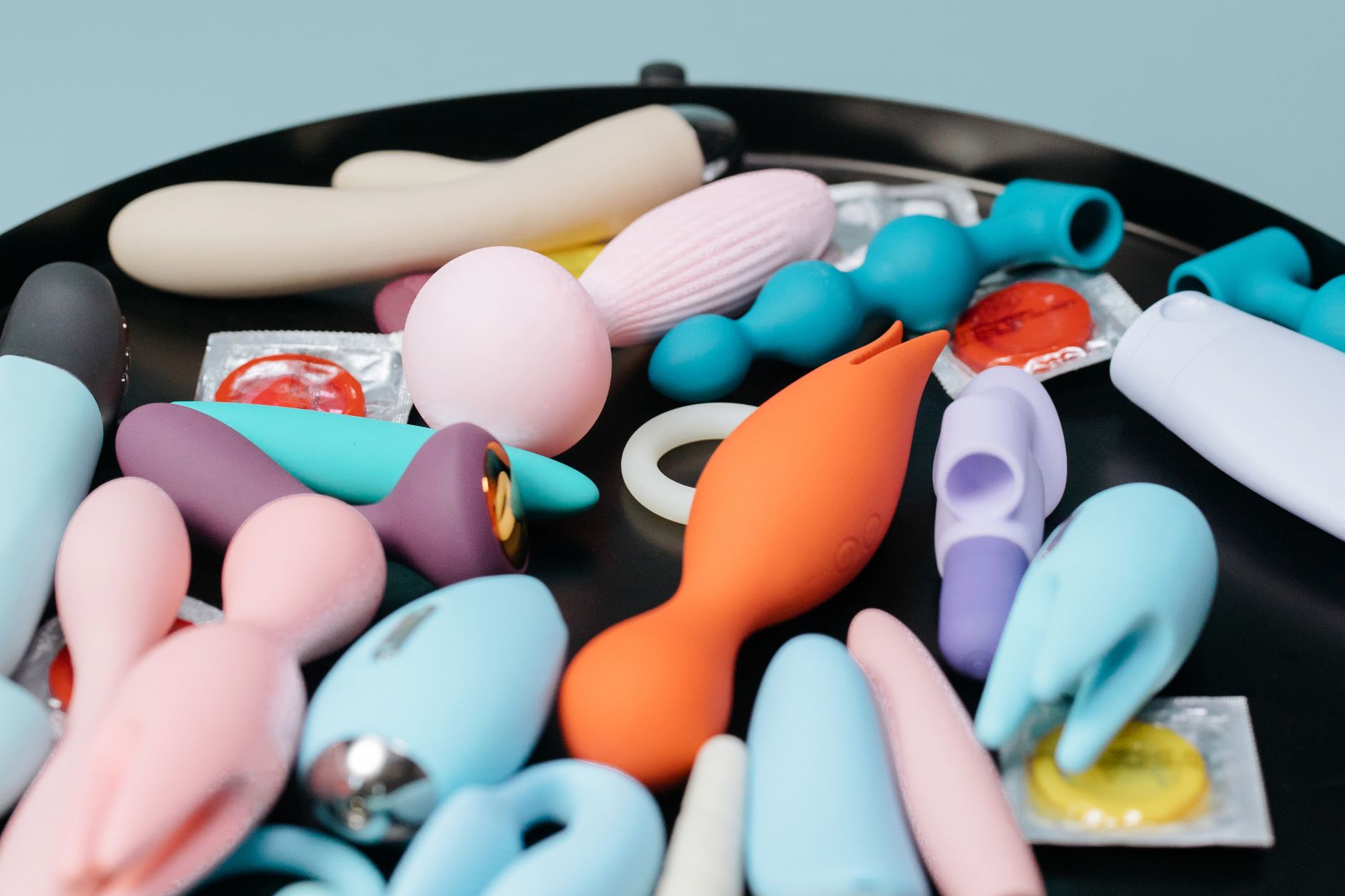
Photo by cottonbro studio on Pexels
When you're ready to talk about it
Don't ambush them with a toy in hand. Find a neutral moment, ideally not in the bedroom, and frame it around you, not around them failing you.
Try this: "I've been exploring what feels good to me on my own time. It's teaching me more about my body, and I think it could help us both understand what I respond to. I'm not saying you're not enough. I'm saying my nervous system sometimes needs a specific kind of stimulation, and that's not a reflection on you or our relationship."
Notice what's missing: guilt, blame, or comparison. You're naming a fact about your body, not indicting their performance.
The bridge from "no way" to "maybe eventually"
Some partners move from resistance to curiosity once they understand that toys aren't competitors. Three gentle bridges work well:
The observation bridge. "I noticed something interesting when I use the Lem solo: I relax differently, and my orgasms feel more intense. I think it's because there's zero performance pressure, just sensation. That's not about you."
The collaboration bridge. "Would you be interested in being in the room while I explore, not necessarily touching me, just being present? No pressure on you to do anything." Some partners become genuinely curious once they see the real response, not the fantasy version.
The separation bridge. "I'd like to keep my solo pleasure practice separate from us. But when we're together, I'd love to show you what I've learned about what works for me." This protects your space while inviting their participation on better terms.
If none of these create movement, that's data. It tells you something important about their attachment style or how safe they feel in the relationship. That's bigger than the vibrator, and it might be worth exploring with a therapist together.
Using lemon vibrators solo when partnership feels distant
When your partner isn't interested in toys, sometimes it's because the relationship is cooling somewhere else. Sex becomes a proxy for connection, and introducing a new element feels like highlighting what's already broken.
If that resonates, lemon sexual toys can actually help. A regular solo practice reminds your nervous system what pleasure feels like. It keeps your sexuality alive even when the relational part is stuck. And counterintuitively, that aliveness often makes you more attractive to your partner, not less.
Use the time intentionally. Notice what your body craves. Pay attention to your fantasies. Let yourself enjoy without performing or managing their feelings. This isn't rebellion. It's self-care with a sexual dimension.
What if they never come around
Some partners will never be enthusiasts. That's okay. Your options are then clearer:
You can maintain a solo practice that's completely separate from your shared sexuality. Many people do this successfully. The vibrator stays in your nightstand, used on your time, not mentioned or performed. Your partnered sex remains what it is. No one sacrifices, no one compromises.
Or you recognize that sexual incompatibility might be part of a larger pattern. If your partner shuts down your pleasure, controls information, or makes you feel ashamed of your body, that's a relationship issue that goes way beyond the lemon vibrator.
Neither choice is wrong. But knowing which one you're in changes everything about how you move forward.
Building trust around pleasure takes time
If you've been using clitoral vibrators secretly or feeling guilty about them, your body knows. That tension exists whether or not your partner knows you're using the Lem. And that tension absolutely affects the intimacy you two share.
Bringing vibrators out of the shadows, even in a solo context, is an act of reclamation. It says your pleasure matters. It says you're not ashamed. It says the lemon suction vibrators and other lemon adult toys are a normal part of how you care for yourself.
Your partner might need time to adjust. That's fair. But their adjustment timeline shouldn't be your timeline for pleasure. You can be patient with them while honoring your own body. Both things can be true.
Start here: solo exploration, zero shame, honest communication when you're ready. The rest builds from there.
People also ask
Should I hide my vibrator if my partner doesn't approve?
Secrecy creates distance, but so does forcing the conversation before someone's ready. The middle path: use your lemon vibrator privately without shame, and when the time feels right, mention it matter-of-factly. "I've been using a toy on my own, and it's helped me understand my body better" is a statement, not a confession. If your partner demands you stop, that's a boundary issue worth exploring with a couples therapist.
Is it normal for partners to resist sex toys?
Very normal. Resistance often signals anxiety about performance, older beliefs about sex, or feeling threatened by novelty. It's a wound, not a character flaw. How to Use Lemon Vibrators When Your Partner Wants to Be More Involved covers the reverse: when someone is eager but unsure how to integrate toys into your shared experience.
Can using a vibrator solo damage my relationship?
Not if you're honest about it. Secrecy damages relationships. Pleasure doesn't. If your partner feels threatened by your solo practice, that's worth understanding together. Sometimes the issue isn't the vibrator at all. It's disconnection that exists for other reasons. How to Use Lemon Vibrators When You Feel Disconnected From Your Body explores how pleasure can rebuild that connection from the inside out.
What if my partner is worried the lemon vibrator means I want to cheat?
This fear usually comes from insecurity, not logic. Reassure them directly: "My pleasure doesn't replace you. It complements what we share." But also recognize that reassurance only works if the relationship already has baseline trust. If you're noticing control patterns or jealousy across other areas, the vibrator isn't the real issue.
How do I bring up vibrators again after they shut it down once?
Don't lead with the vibrator. Lead with curiosity about them. "I noticed you seemed uncomfortable when I mentioned toys before. Can we talk about what came up for you?" Listen without defending. Understanding their fear is the door to moving past it. Once you know whether it's jealousy, discomfort, or something else, you can actually address it.
Can couples therapy help if one partner won't discuss vibrators?
Absolutely. A good therapist creates safety for both people to be honest about needs, fears, and desires. Many couples find that vibrator resistance is part of a larger communication pattern. Therapy gives you tools to navigate the real conversation: what does pleasure mean to you, and how do we build it together? If your partner refuses therapy or dismisses the issue entirely, that's information too.
Moving forward
Your pleasure isn't negotiable. Your partner's comfort with how you access it is a separate conversation. You can honor both by being honest, patient, and unashamed about what your body needs. The lemon clitoral vibrator isn't a threat to your relationship. Lies, resentment, and disconnected sexuality are. Start with truth, and let everything else unfold.
If you're navigating intimacy challenges and want to explore your own needs further, reach out. Real connection starts with understanding yourself first.