Let's start with what nobody mentions
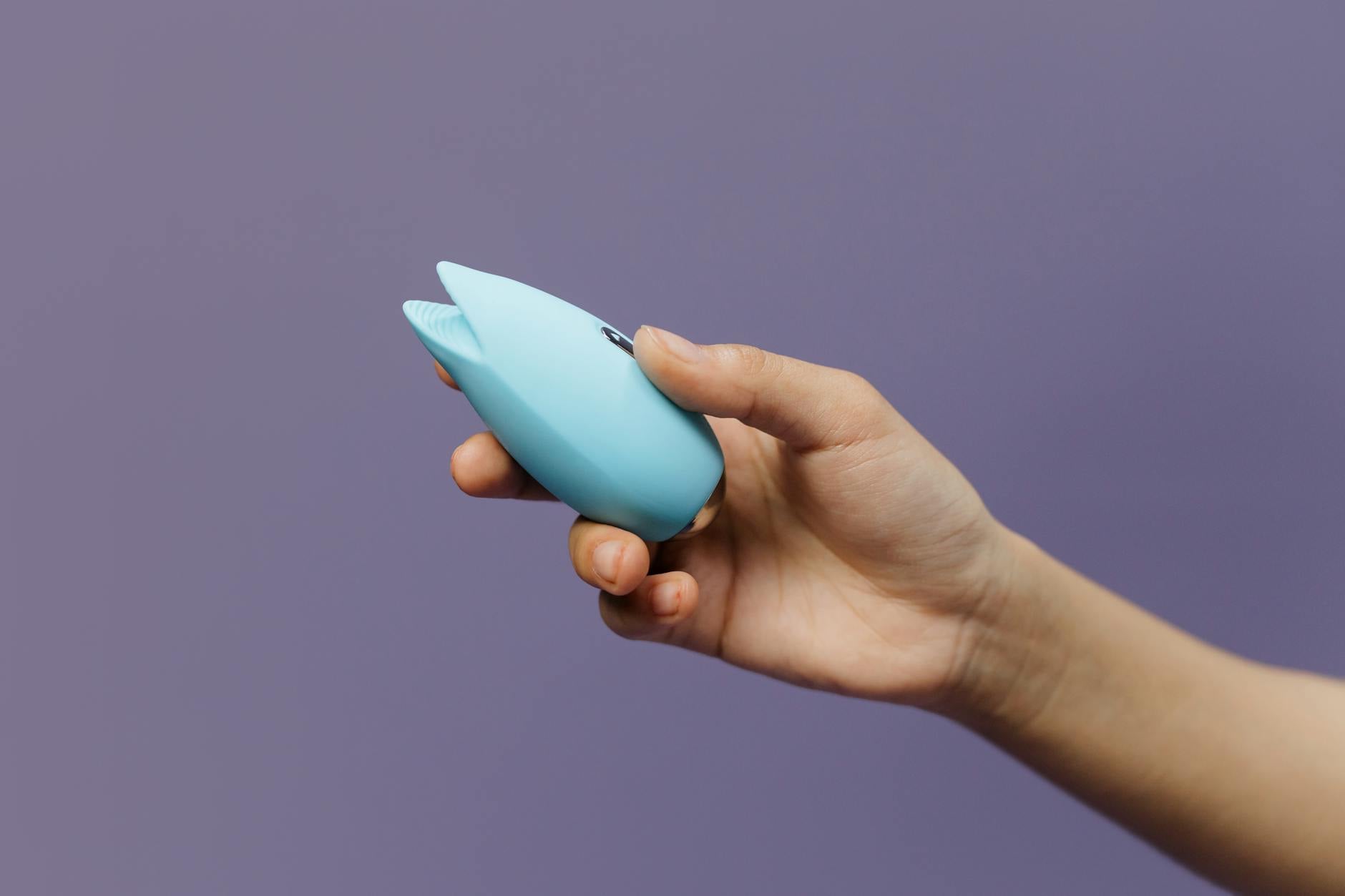
Pelvic floor dysfunction is wildly common, and it's wildly misunderstood. You might know it as pain during sex, a tight sensation that never goes away, or the feeling that your pelvic floor is constantly braced. What most people don't realize is that a lemon clitoral vibrator, used thoughtfully, can be one of the most effective tools for gently retraining a tense pelvic floor back to flexibility and sensation.
This isn't about forcing anything or pushing through pain. It's about using the right kind of stimulation to help your body remember how to relax.
What pelvic floor dysfunction actually is
Your pelvic floor is a group of muscles that supports your bladder, bowel, and uterus or prostate. When these muscles get tight, they stay tight. Stress, trauma, surgery, childbirth, prolonged sitting, or even anxiety can trigger this pattern. Once it starts, your brain learns to grip, and that becomes the baseline.
The problem isn't weakness. It's the opposite. Your pelvic floor is over-gripping, which cuts off blood flow, reduces sensation, and makes sex painful or impossible. Pain causes more tension. More tension causes more pain. It's a cycle.
Here's what makes lemon vibrators different from other treatments: they provide sustained, gentle stimulation that naturally coaxes the muscles to relax and gradually restore sensation. Unlike aggressive tools, a lemon sucker works through pressure and rhythm, not penetration or intense friction.
Why gentle vibration works for pelvic floor recovery
When your pelvic floor is tense, you're essentially locked in a protective reflex. Your nervous system thinks it needs to hold on tight. Gentle, consistent vibration interrupts that pattern. The stimulation tells your nervous system that the area is safe, and the muscles can ease up.
A lemon vibrator applies pressure in a way that's very different from penetrative sex or aggressive massage. The suction and vibration combination activates nerves without triggering pain or a defensive clench. Over time, this repeated signal helps your brain learn that the area can relax.
I've worked with countless clients who tried physical therapy alone, and then added a lemon clitoral vibrator to their routine and saw a real shift. The tool bridges the gap between clinical treatment and sensation recovery.
How to use a lemon vibrator safely with pelvic floor pain
Start slow. This is non-negotiable. If your pelvic floor is angry, it's not the moment for intensity or experimentation.
Begin with the lowest setting on your lemon vibrator. The Lem, for example, has gentle starter settings that deliver vibration without overwhelming your nervous system. Spend five to ten minutes at a low intensity, focusing on consistent stimulation rather than chasing sensation.
Position matters. Lie flat on your back, legs relaxed, knees slightly bent. This is the position that allows your pelvic floor to relax most completely. Avoid sitting or standing during early recovery, as gravity adds tension.
Second, breathe. This sounds basic, but most people with pelvic floor dysfunction are holding their breath during stimulation. Slow, deep breathing tells your nervous system you're safe. In through your nose for four counts, out through your mouth for six. This alone shifts your body out of protective mode.
Third, use a water-based lubricant even if you don't think you need it. Lube reduces friction and allows the vibrator to glide smoothly, which prevents irritation and discomfort that could re-trigger tension.
Build duration before intensity. Spend two to three weeks using your lemon vibrator at low settings for fifteen to twenty minutes. Only after your nervous system has settled should you explore higher settings.
The role of arousal in pelvic floor relaxation
Here's something I tell every client: arousal is a form of permission. When your body is aroused, your nervous system shifts from protection mode to pleasure mode. Your blood vessels dilate, sensation increases, and muscles naturally relax.
This is why using your lemon vibrator in a context where you're mentally relaxed matters so much. You don't need to force arousal, but you do need to create conditions where it can happen. This means time alone, privacy, no rushing. Some people find it helpful to start with a body scan or gentle self-touch before introducing the vibrator.
The vibration itself often triggers arousal naturally. As you use your lemon sexual toy consistently, your body begins to associate the sensation with relaxation and pleasure, which makes the whole cycle easier.
When to combine a lemon vibrator with physical therapy
A vibrator is a tool, not a replacement for professional pelvic floor physical therapy. The best approach is both. A pelvic floor physical therapist teaches you to consciously relax the muscles and identify which ones are holding tension. A lemon clitoral vibrator provides the repeated sensory input that conditions your nervous system to stay relaxed.
Talk to your physical therapist before starting with a vibrator, especially if you're currently in treatment. The therapist can recommend specific settings, duration, and timing that won't interfere with your exercises. Many therapists now actively recommend lemon vibrators as a complementary tool.
If you haven't seen a pelvic floor specialist yet, that's the first step. A good specialist can rule out conditions like vaginismus or vulvodynia that need specific attention.
Rebuilding arousal after pelvic floor pain
One of the hidden costs of pelvic floor dysfunction is loss of desire. Sex has hurt for months or years, so your brain starts avoiding it. Arousal becomes harder to access. You might feel numb in that area, even when pain isn't active.
This is where patience with your lemon vibrator becomes part of the healing. Early on, the goal isn't orgasm. It's sensation. Can you feel the vibration? Can you notice a shift in your body as you breathe? Can you stay present for ten minutes without discomfort? Those are the milestones.
As weeks pass and your pelvic floor relaxes, arousal often returns naturally. The numbness fades. Sensation increases. For some people, this takes months. That's normal. Your nervous system is learning a new pattern, and that takes time.
A realistic timeline for pelvic floor recovery
If you're starting from significant pain or dysfunction, expect four to eight weeks of consistent use before you notice real change. Some people see shifts within two weeks. Others need more time. The key is not giving up after seven days and deciding it doesn't work.
Week one to two: Discomfort might actually increase slightly as your nervous system wakes up to sensation. This is not a sign that the vibrator is wrong. It's a sign that your body is beginning to register what's happening. Stay consistent.
Week three to four: Pain often decreases noticeably. Sensation improves. You might feel less tension in your daily life, not just during vibrator use.
Week five to eight: Arousal begins to return. Sex becomes less painful or pain-free. You might find that your lemon vibrator now feels genuinely pleasurable, not just therapeutic.
After eight weeks: Continue use two to three times weekly as maintenance. This prevents tension from creeping back.
Common questions about lemon vibrators and pelvic floor pain
Can I use a lemon vibrator if sex is currently painful? Not yet. If pain is active, start with your pelvic floor physical therapist first. Once pain has decreased below a three out of ten, introducing a lemon clitoral vibrator is often the next step. Always check with your therapist.
Will a lemon vibrator make my pelvic floor more dependent on it? No. The opposite. Your nervous system is learning that sensation is safe and that relaxation is possible. Once your brain integrates that lesson, you don't need the tool to maintain the change.
Which setting should I use? Start at the lowest. Most people can move to settings two or three after two weeks. Very few people with active pelvic floor dysfunction benefit from high settings early on. Save intensity for later.
How long should each session be? Fifteen to twenty minutes is ideal. Long enough for your nervous system to shift, short enough that you don't fatigue. More is not better here.
Can my partner use the lemon vibrator on me? Yes, but only after you're comfortable using it alone. Once you know how it feels and what settings work, partner use can deepen the experience. Communication is essential.
Will this help if I have vulvodynia? Vulvodynia requires a specialized approach. Talk to a vulvodynia-trained provider before starting any vibrator. That said, many people with vulvodynia do find relief with extremely gentle lemon vibrators on low settings. You'll need guidance.
Why this matters beyond the physical
Recovering from pelvic floor dysfunction is about more than pain relief. It's about reclaiming your body and your pleasure. When sex has hurt, you've probably withdrawn from your partner, avoided intimacy, and started to believe something was broken about you.
It isn't. Your pelvic floor is just stuck in protection mode. A lemon vibrator, combined with professional care and patience, helps you unstick it. As you do, desire often returns. Connection deepens. You remember what your body is capable of.
That's the real work. And a lemon sucker is just one gentle tool to help get you there.