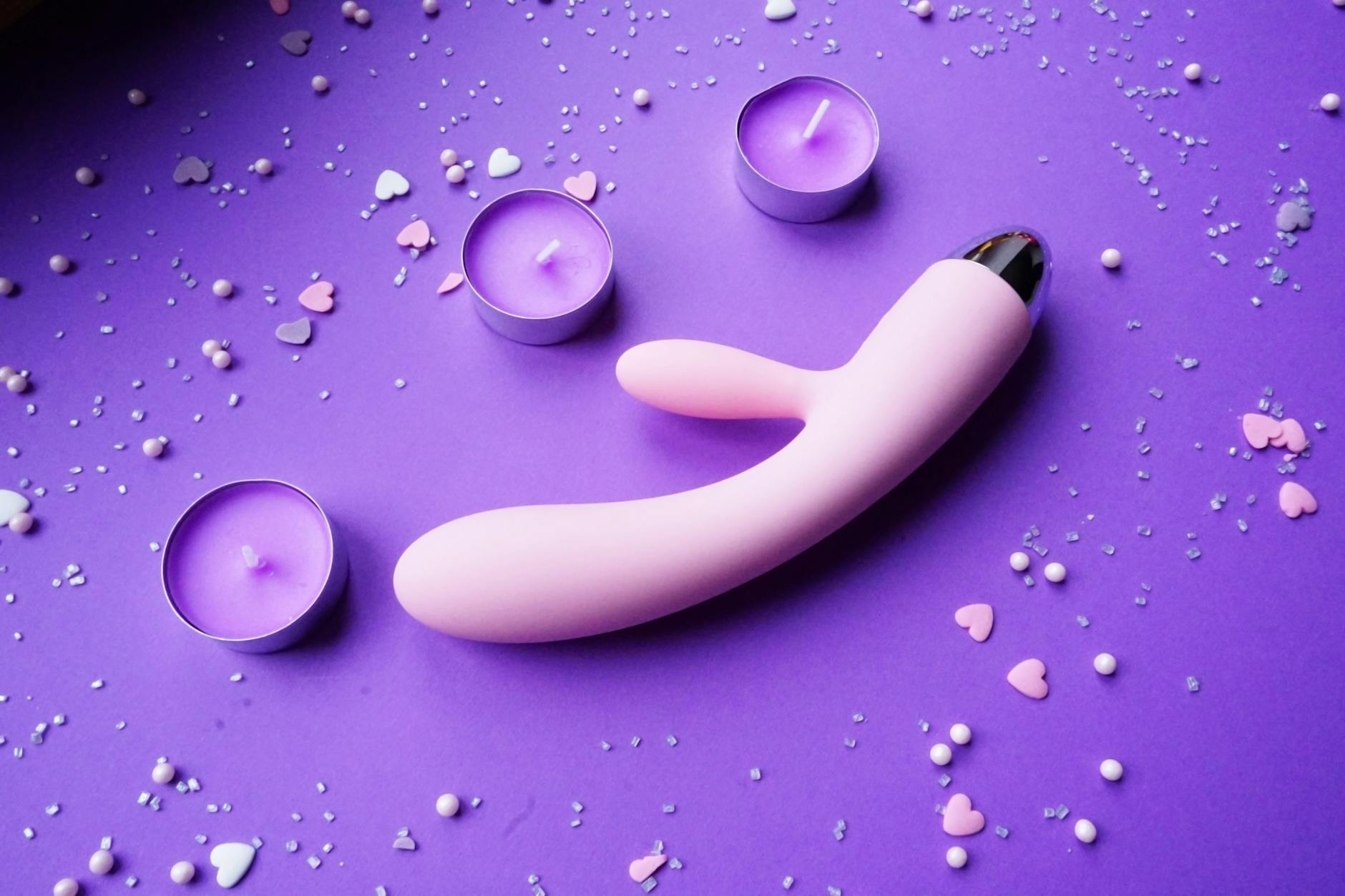
Why Lemon Vibrators Feel Better With Age and What Changes Sexually
Here's something nobody tells you: pleasure doesn't decline with age. It transforms.
Most conversations about aging and sexuality focus on loss. Hormones drop, tissues thin, arousal takes longer. All true. But here's the part they leave out: the clitoral nerve endings don't age the same way. Your brain's capacity for sensation often deepens. And tools like lemon clitoral vibrators actually become more effective as your body changes, not less.
I've worked with hundreds of people navigating their 40s, 50s, and beyond. The consistent refrain isn't "I've lost my sexuality." It's "Nobody told me this was possible."
What actually changes at the cellular level
Let's start with tissue. Estrogen decline affects the vulva's outer layer. Tissue becomes thinner, less plump, sometimes more fragile. This is real. It's called genitourinary syndrome of menopause, or GSM, and it matters.
But here's the part that changes the conversation: thinner tissue doesn't mean less sensation. It means more direct sensation. The clitoris itself is packed with 8,000 nerve endings. Those don't vanish. They become more accessible.
This is why lemon vibrators, with their suction-based stimulation, often feel revelatory for aging bodies. Instead of the broad vibration pattern that worked in your 30s, you get targeted pressure that reaches those nerve clusters without requiring the same kind of thick, cushioned tissue to get there.
Your younger self had more tissue padding between the vibrator and the nerve endings. Your current self has a more direct route. That's not a loss. That's a physics upgrade.
Arousal tempo shifts (and it's usually better)
Arousal takes longer. That's fact. Most people I talk to go from a 5-minute warm-up to a 20-minute one. The impulse is to interpret this as a problem. It's not. It's a feature.
When arousal builds slowly, it builds deeper. Your brain has time to settle. Distractions fall away. You have permission to be present in a way that younger, busier versions of yourself rarely allowed.
Many people discover their best orgasms in their 40s and beyond because the slower burn creates a stronger foundation. Lemon vibrators work with this timeline. The suction sensation builds gradually. You control the pattern intensity. There's no race.
Vaginal lubrication changes (and what actually helps)
Drying up is real. Estrogen affects natural lubrication, and it can take a few years post-menopause to stabilize. The solution isn't complicated: external lubricant.
Water-based lube becomes your best friend. Not because your body is broken, but because thinner tissue benefits from the glide. A quality lube transforms the entire experience. Silicone-based lubes feel richer and last longer, but they can degrade silicone toys like lemon sexual toys, so stick with water-based.
Keep a bottle by the bed. Reapply mid-session. This is normal maintenance for aging bodies, not a sign that something's wrong.
Why lemon clitoral vibrators outperform other designs as you age
Standard vibrators create broad oscillation across a large surface area. That works when tissue is thick and responsive quickly. As tissue thins and arousal slows, you're often paying for stimulation across areas that don't need it.
Lemon suction vibrators concentrate stimulation on the clitoris itself. The air-pulse technology mimics oral sex's pressure pattern, which the clitoris evolved to recognize. There's no learning curve. Your nervous system understands it immediately.
For aging bodies, this precision matters. You're not fighting against physical changes. You're leveraging them.
Orgasm quality often deepens
When people ask me if orgasms change with age, I say yes. Faster doesn't mean better.
Orgasms in your 40s and beyond tend to build from deeper. The arousal process is longer and more intentional. The actual climax often feels more concentrated, more textured, sometimes longer. Some of my clients describe them as more emotional, less purely physical.
This shift requires permission. It requires letting go of the speed-based pleasure model that younger bodies rewarded. But once you do, many people report that orgasms feel richer than ever.
Lemon vibrators support this shift because they encourage exploration rather than quick results. You have time to notice what feels good, when, and in what order.
The partner conversation that matters
If you're with a partner, the biggest shift isn't physical. It's communicative.
Most long-term couples have built a rhythm based on each person's original arousal template. When one person's timeline changes, the old rhythm breaks. The temptation is to blame the aging body. Actually, you're being invited to build something new.
Tell your partner: "Arousal is slower now, and that's fine. I like it. What I need is patience and consistency." Then follow through. Show up. Let yourself actually enjoy the longer warm-up. Most partners respond well to this clarity. It takes the shame out of the equation and turns it into a puzzle you're solving together.
When you need professional support
If pain shows up during sex, see a doctor. Genitourinary syndrome of menopause is highly treatable. Topical estrogen creams can work within weeks. So can vaginal moisturizers for daily use.
If desire has completely flatlined, that's worth investigating too. Sometimes it's hormonal. Sometimes it's relationship friction. Sometimes it's just that you've never actually explored your own pleasure outside of a partnered context and now you get to.
A good practitioner trained in menopause medicine or sexual health can help you distinguish signal from noise.
The permission piece
Honestly, the biggest barrier I see for people navigating aging and pleasure isn't physiological. It's permission.
You spent decades in a body that responded one way. That body taught you what pleasure looked like. Now you're in a different body with different rules, and the old playbook doesn't fit.
Instead of mourning what changed, you get to be curious about what's possible now. Lemon clitoral vibrators become part of that curiosity. They're tools designed for precision and control. Your aging body deserves both.
Your 40s, 50s, and beyond aren't your last chapter of pleasure. They're often your most textured, most intentional, most satisfying one.
FAQ
How much does sensitivity actually change after 40?
Clitoral nerve density doesn't decline significantly. What changes is the tissue surrounding it. Thinner tissue can actually mean more direct nerve stimulation, not less. If you're finding orgasms harder to reach, it's usually about arousal tempo and lubrication, not lost nerve function. A good lube and extra warm-up time typically restore the ease.
Do lemon vibrators work better for aging bodies than other vibrator types?
Yes, often. Lemon sexual toys use suction, which targets the clitoris with pressure rather than broad vibration. This works well for thinner tissue and slower arousal. That said, every body is different. If you're used to a particular vibration pattern, switching to suction might feel unfamiliar at first. Give yourself a few sessions to adjust.
Is vaginal dryness permanent after menopause?
No. Many people find that lubrication stabilizes a few years post-menopause. Staying sexually active actually helps. Regular arousal and sex increase blood flow to the vulva, which can improve natural lubrication over time. Until then, external lube is your friend.
Can I still have strong orgasms in my 40s and 50s?
Absolutely. Many people report their strongest orgasms in their 40s and beyond. The shift is that they usually take longer to build, but the quality often deepens. Intensity and speed aren't the same thing. Slower builds often create more powerful climaxes.
When should I talk to a doctor about sexual changes?
If pain or significant bleeding appears during sex, see someone immediately. If you're interested in hormone therapy or have questions about whether your experience is typical, a menopause-trained GP is worth visiting. And if desire has completely disappeared, that's worth investigating. It could be hormonal, relationship-based, or something else entirely. Professional support helps you figure out which.
Are there risks to using clitoral vibrators more frequently as I age?
No. Regular use actually supports sexual health by increasing blood flow and maintaining nerve sensitivity. The only caveat: if you experience pain or irritation, pause and check in with your body or a healthcare provider. That said, most people find they can use lemon vibrators as often as feels good with no negative effects.
The bottom line
Your body at 40, 50, and beyond isn't a downgrade. It's a remix. Different doesn't mean less. It means you get to learn yourself again. And honestly, most people find that version of themselves is significantly more interesting than the one that came before. Lemon clitoral vibrators are tools built for this version of your life. Your pleasure deserves them.
If you're curious about exploring this in a supported way, reach out. That's what I'm here for.