The thing nobody warns you about
You start antidepressants. The fog lifts. You sleep better. Anxiety stops hijacking your nervous system at 3 a.m. And then you notice something strange: pleasure feels muffled. Your clitoris feels distant. Orgasms take longer, or feel less intense, or vanish entirely.
Here's what actually matters: this is not permanent, and it's not a sign you're broken.
It's your nervous system recalibrating.
What SSRIs actually do to sensation
Most antidepressants work by increasing serotonin availability in the brain. That's brilliant for mood, anxiety, and emotional regulation. But serotonin also influences the parasympathetic nervous system, the arousal cascade, and genital blood flow.
When you first start an SSRI (selective serotonin reuptake inhibitor), your brain is flooded with serotonin. It feels great for mood, but the sensory shift is real. You might notice:
- Delayed or absent orgasm
- Reduced genital sensation or tingling
- Lower desire overall
- Difficulty with physical arousal cues your body used to register instantly
The kicker: about 40-60% of people on SSRIs experience some sexual side effect. It's wildly common, deeply under-discussed, and totally addressable.
The timeline matters
This is crucial to understand. Sexual side effects from antidepressants don't all happen at the same moment, and they don't all resolve on the same timeline.
Weeks 1-2: You might feel nothing at all, or the initial flood of serotonin can temporarily increase sensation.
Weeks 3-8: This is when most people notice the muffling. Your brain and body are adapting to a new chemical baseline. Sensation dulls. Arousal takes longer. Some people report numbness.
Months 2-4: The body starts adapting. Many people find sensation gradually returns to baseline, sometimes even sharper than before medication.
Months 4-6: If you're one of the people for whom sexual sensation doesn't fully return to baseline, that's when you have real options to discuss with your doctor.
Not everyone follows this timeline, and some people never experience a noticeable change. Others notice something subtle but real.
Why lemon clitoral vibrators help during this transition
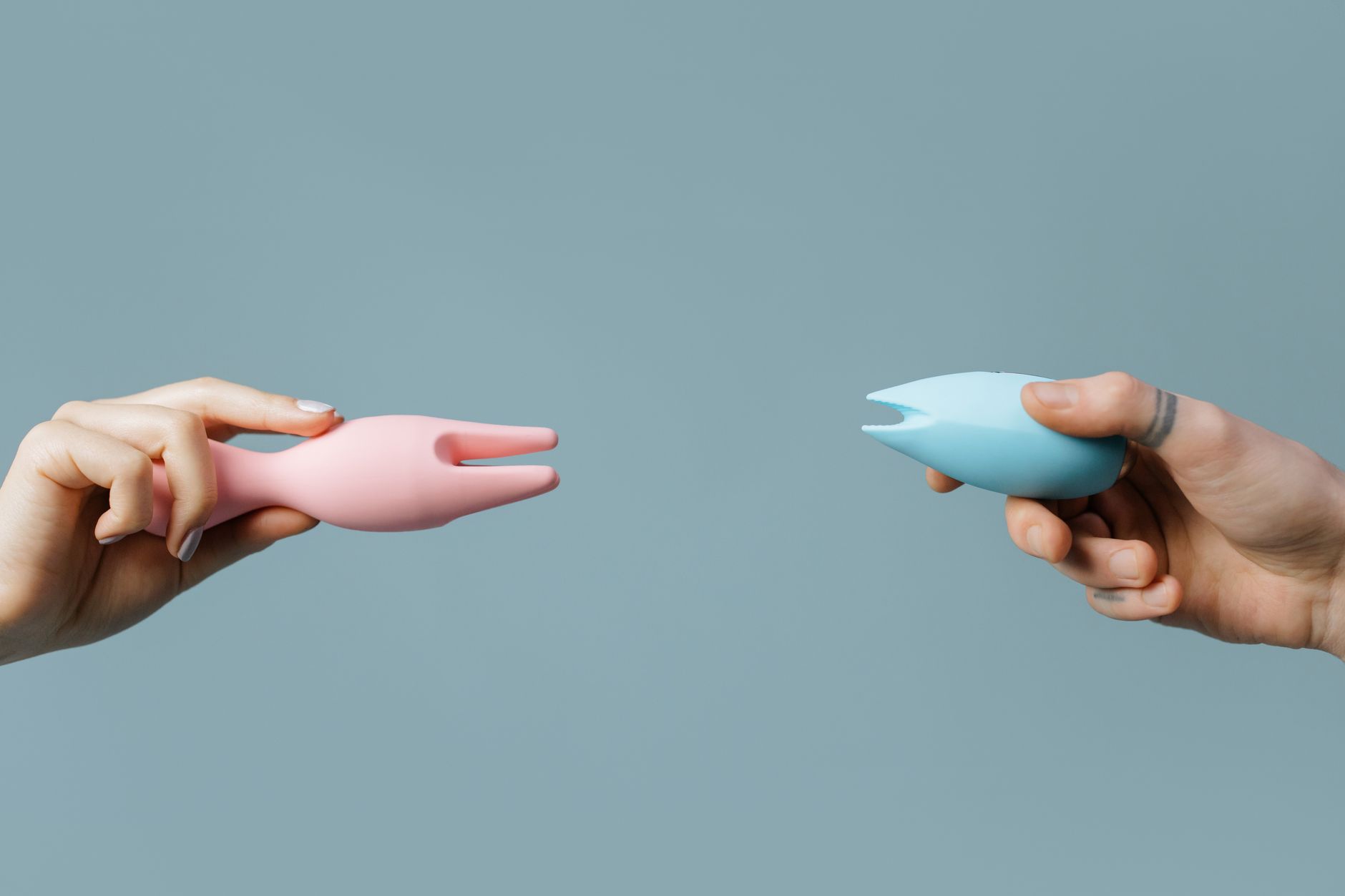
Here's where tools like the Lem come in. Clitoral suction vibrators work differently than traditional vibrators, which matters when sensation is muffled.
Traditional vibrators rely on you feeling the frequency and intensity of vibration directly. If your clitoris is numb or sensation is delayed, you might feel nothing at all until intensity reaches uncomfortable levels.
A lemon sucker uses air-pulse technology. Instead of direct vibration, it stimulates the whole clitoral complex through gentle suction and pulsing patterns. This engages your nervous system differently. Many people report feeling sensation from the Lem when other vibrators feel like holding a dead phone.
Why? Because suction triggers a different neural pathway than vibration alone. It's stimulating the broader clitoral structure, not just surface sensation.
What you can actually do right now
If you're in the thick of sexual side effects from antidepressants, here are things that genuinely help.
Start lower, go slower. Your arousal timeline has lengthened. Plan for 20-30 minutes of foreplay or solo exploration instead of 10. This isn't laziness. Your nervous system needs more time to shift into parasympathetic gear.
Switch up stimulation patterns. If your usual approach (direct vibration, penetration, specific rhythm) feels numb, try something different. This is when the Lem's suction patterns often feel revelatory. Try each pattern at low intensity and see what wakes things up.
Add external sensation. Some people find that combining the Lem with ice, temperature play, or different textures helps break through numbness because you're engaging multiple sensory pathways.
Talk to your prescriber. If sexual side effects are severe and persistent past month 4, you have real options. Dose adjustments, taking your medication at different times of day, or switching to an antidepressant with fewer sexual side effects. Don't suffer in silence assuming it's permanent.
The emotional layer
Here's something I see constantly in my practice: people blame the medication for sexual disconnection when what's actually happening is more complex.
You started antidepressants because something was wrong. Depression, anxiety, or both were suffocating your life. Part of that suffocation included disconnection from pleasure, desire, and your body.
Now you're on medication that's quieting the noise. Your nervous system is finally calm enough to feel safe. And in that safety, you're noticing that pleasure feels different.
Sometimes it's the medication. Sometimes it's grief. Sometimes it's your nervous system relearning what safety feels like.
If you have a partner, this is worth naming explicitly. Not "the medication killed my sex drive," but "my nervous system is recalibrating right now and I need patience while we figure out what pleasure looks like on the other side of this."
When to expect things to shift
Most people find that sexual sensation returns to baseline or better by month 3 or 4. Your brain is incredibly adaptive. Once the initial serotonin flood settles and your system finds homeostasis, many of the muffling effects ease.
Some people never experience a change at all. Others find that sex feels better after medication than it did during depression, because the nervous system baseline is so much calmer.
If you're past month 4 and nothing has shifted, talk to your doctor. There are genuine solutions. Medications like bupropion (which doesn't affect dopamine the same way) have fewer sexual side effects. Dose adjustments help. Augmentation with other medications helps.
Your pleasure matters. It's worth advocating for.
The reframe
Let's be real: starting antidepressants changes your relationship with sensation. But the change isn't always loss. Often it's recalibration.
Your clitoris isn't broken. Your nervous system isn't ruined. You're not asexual or less than because sensation feels different right now.
You're healing. And healing sometimes looks like things feeling strange for a few months before they feel amazing. Use that time to explore what pleasure looks like on the other side of depression. Try new tools, new rhythms, new conversations with partners. Lemon clitoral vibrators offer one really effective way to navigate that exploration without forcing intensity or frustration.
Your body will catch up. And when it does, you get to choose what pleasure looks like next.
People also ask
How long do antidepressant sexual side effects actually last?
Most people see improvement between weeks 8-16 as the nervous system adapts. Some experience relief within 4-6 weeks. About 20-30% of people find that sexual side effects persist beyond three months, though they often become less noticeable over time. If nothing has shifted by month 4, talking to your prescriber about solutions is genuinely important. You don't have to live with persistent numbness.
Can I stop taking my antidepressant to get sensation back?
No. Stopping antidepressants to restore sexual sensation is like stopping blood pressure medication to feel more energized. It doesn't work and often makes things worse. Depression itself kills sensation and desire far more completely than most medications do. The answer is adjustment, not abandonment. Talk to your doctor about alternatives.
Are lemon clitoral vibrators better than regular vibrators for medication side effects?
For some people, absolutely. Because they use suction instead of pure vibration, they engage different nerve pathways. If you're experiencing numbness or delayed sensation from antidepressants, suction-based stimulation often feels more accessible than traditional vibration. But everyone's nervous system is different. Some people feel more from standard vibrators. It's worth experimenting to see what your body responds to.
Should I tell my doctor about sexual side effects?
Yes. Actually yes. This is part of your medical history and genuinely important to treatment decisions. Most doctors have seen this hundreds of times and won't be uncomfortable. If your doctor dismisses it or seems unconcerned, that's a sign you might want a second opinion. Sexual health is part of overall health.
Will I ever feel normal again sexually?
Most likely, yes. For the majority of people, sexual sensation either returns to baseline within a few months or improves gradually over the course of a year. And for many people, "normal" after depression is actually better than it was before, because they're no longer depressed. Your pleasure baseline might shift, but you're not permanently numb.
What if antidepressants helped my mood but ruined my sexual life?
You're describing a real tradeoff, and it sucks. But here's what I've seen in practice: depression doesn't just kill mood. It kills desire, sensation, and sexual joy far more completely than most medications do. The medication is helping your nervous system remember how to feel safe. That's the foundation for pleasure. Building back sexual sensation takes time and sometimes adjustments, but it's absolutely possible. Talk to your doctor about options before deciding the tradeoff isn't worth it.